

Below are the free resources we have which are linked to coaching.
Articles
Artificial Intelligence is making waves in every industry, and endurance sport is no exception. As coaches and athletes, we’re now faced with a new question: what’s the real difference between a training plan built by AI and one delivered by a coach who uses AI as a tool? With so many platforms offering AI-generated plans, and some athletes even turning to tools like ChatGPT for their schedules, it’s important to understand how these options stack up against the support and expertise a human coach brings.
Many triathletes and endurance athletes find themselves in a frustrating cycle: they train consistently, yet performance stalls. The key disconnect is between the athlete’s narrow perception of progress and the broader view necessary for long-term gains. True consistency and progression in endurance sports depend on more than just showing up for every session. This article was created from the Podcast Episode with coaches Diogo and Philip.

Many people have mantras, either for how they live their lives, or relating to how they turn up and train. In this small series, Coach Denise looks at the mantras which have meaning to her personally, and shares how they help her with both life and training.
Endurance athletes are often caught up in their next dream. Whether trying to win an age group, qualify for a championship, or simply complete their first race, these goals ignite their passion and drive. At the beginning, when their motivation is high, training seems effortless – of course, the athlete wants to complete their goal, and they tell everyone what they want to achieve. However, there is a subtle yet significant difference between wanting to achieve these goals and being willing to do what it takes to get there.
This article explores the concept of coachability and how mindset, vulnerability, and self-talk play vital roles in an athlete's development. It discusses the differences between fixed and growth mindsets and explains why openness to feedback and embracing vulnerability are crucial for success.

Many endurance athletes grapple with the challenges of self-directed training. While some may believe that coaching is reserved for elite competitors and athletes, personalised coaching can significantly enhance performance for athletes of all levels. In this article, coach Philip explores why all coaches should personalise coaching approaches to the athlete and how this goes far beyond a standalone training plan.


In this article, we explore Tri Training Harder’s community-driven approach and how building a supportive and inclusive athlete network fosters success. Featuring stories from Tri Training Harder community members, the article highlights how collaboration and shared knowledge positively impact athletes, emphasising the value of a collective, inclusive environment for athletes of all levels.

This article explores the science behind endurance training, focusing on the crucial roles of physiotherapy and nutrition. With insights from Tri Training Harder’s expert partners, including physiotherapists and nutritionists, we highlight how their expertise is integrated into training plans to enhance athlete performance and prevent injury, underscoring the importance of a well-rounded approach to endurance training.

This article delves into the power of holistic coaching, emphasising our comprehensive approach that goes beyond just a training plan. By incorporating mental, physical, and emotional support, this coaching strategy has helped athletes thrive. Testimonials from current athletes highlight the significant benefits of this well-rounded methodology, reinforcing the importance of a holistic approach to coaching.

This article explores practical strategies for balancing endurance training with a busy lifestyle. Drawing on insights from TTH coaches, the article offers advice on effective time management, prioritising workouts, and finding the right balance between triathlon training, work commitments, and personal life.

At some recent events, we have overheard athletes talking about their concerns and have been intrigued by how their fears have rippled out. In this latest article, Coach Philip explores how fear is spread and how it can impact athletes. More importantly, he also identifies how athletes can mitigate this group-social effect and rise above this group phenomenon.

We all know warm-ups are important, but when it comes to racing, we tend to do things differently than in training. Coach Philip explores why the warm-up is important.

Athletes often categorise their races. In this article, Coach Philip outlines how athletes can use a category to help adjust their mindsets before the event.

In this latest article, coach Philip explores whether a training plan is now dead. He also looks into the rise of artificial intelligence and its impact on the sports industry.

In this article, Coach Philip explores how athletes are often distracted by the enormity of the task and get excited about the headline sessions instead of ensuring that all the fundamentals are in place to improve their chances of success or, more importantly, reduce the probability of failure.

As we look to the new season, testing is one of the first things many athletes will do. This will be the form of benchmarking to understand initial fitness levels, biomechanics or other areas. Various aspects of training and performance will be measured and improved upon in the coming months. Yet, often, athletes dislike “test week” and miss out on brilliant opportunities to improve. Coach Philip Hatzis explores the topic of improving your testing sessions in this article.
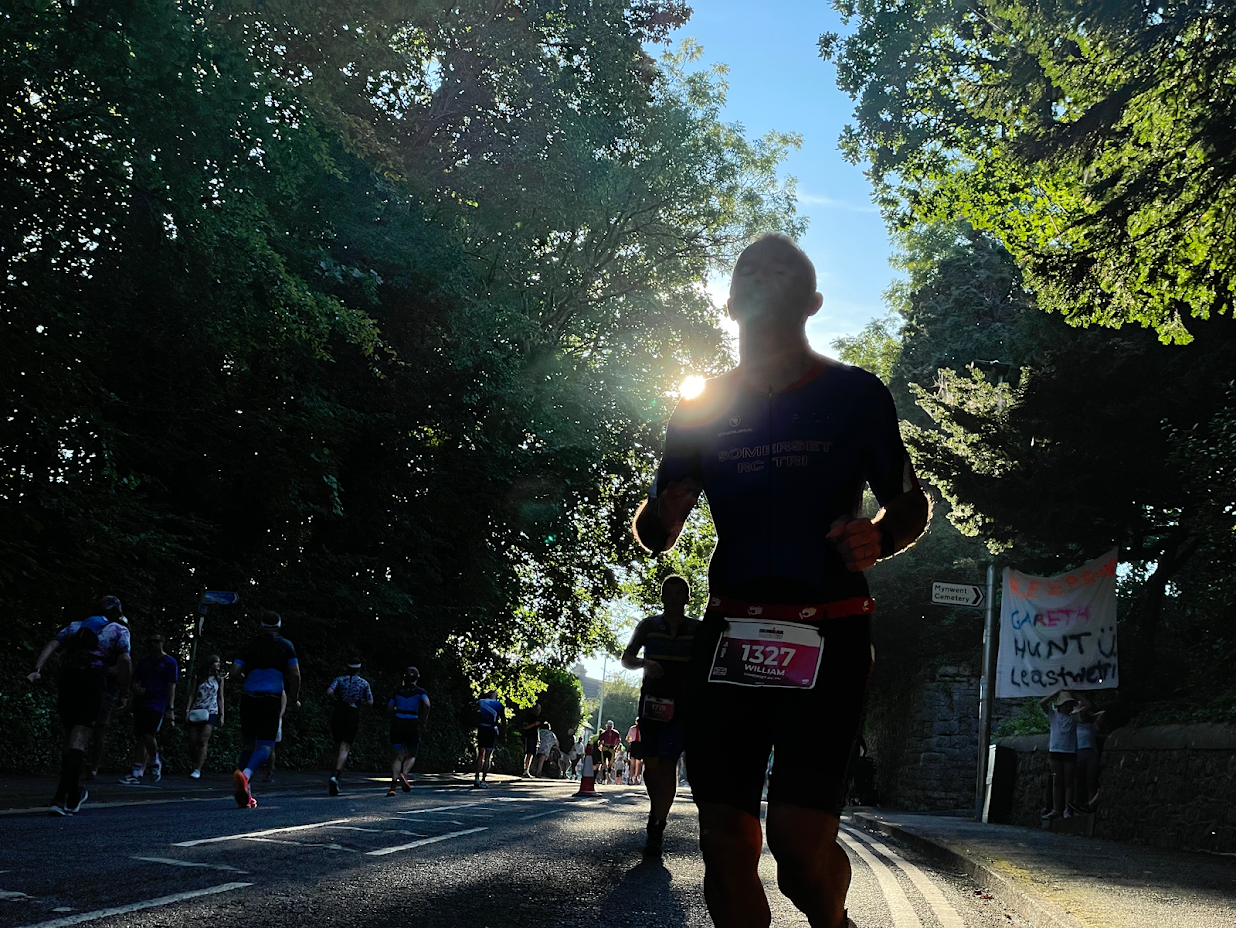
At some point in their athletic career, every athlete has a point when they’re unsure if they should or should not train. This is often a result of illness or fatigue or something similar. They are feeling a bit “yuck” but do not necessarily understand why, which makes deciding whether they should train a tough challenge. In this article, coach Philip Hatzis explores how athletes can decide whether to train or not.
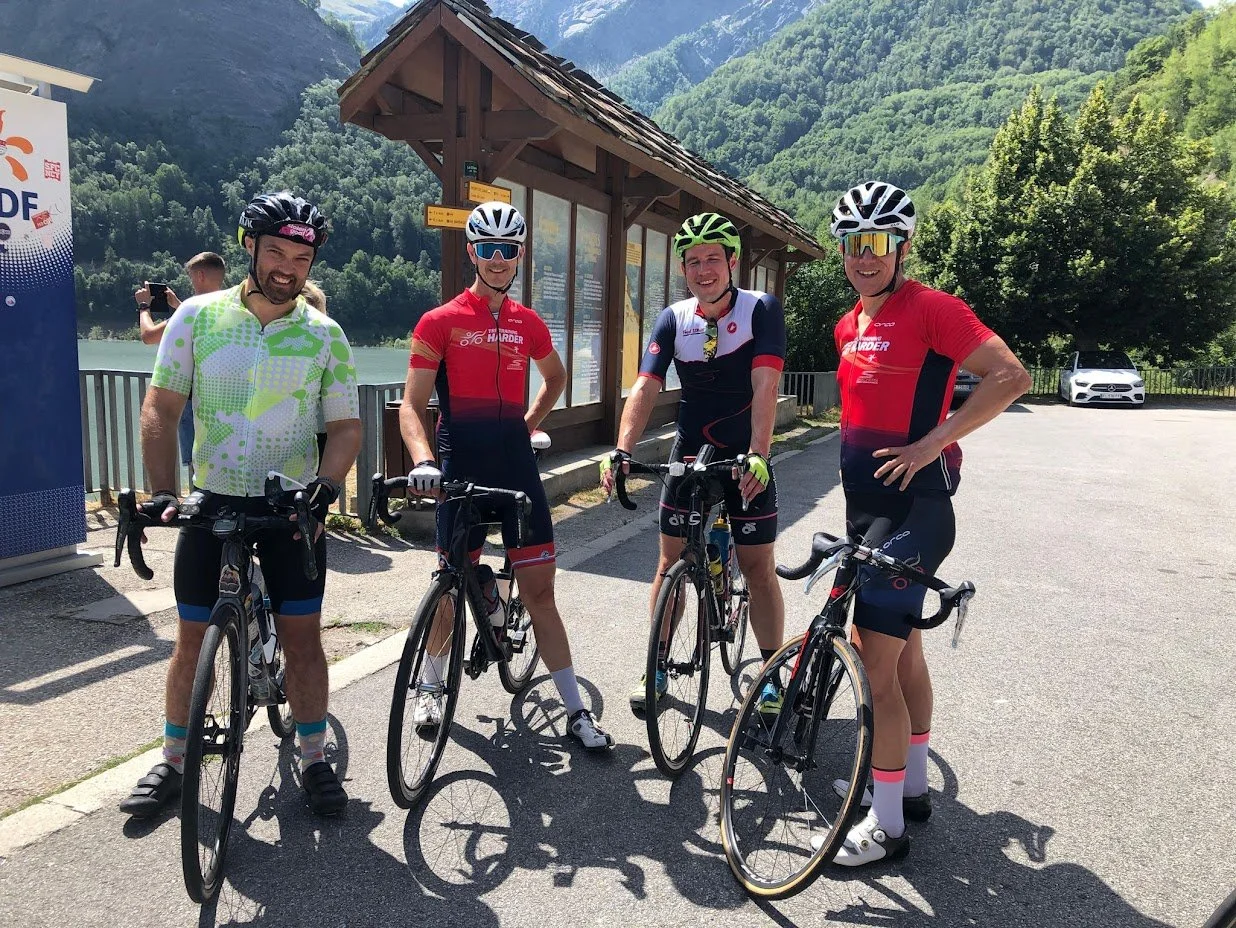
In this article, Coach Philip explores some trends we are starting to see with new athletes who have been previously coached by others. Though athletes often start working with coaches for performance, we are also responsible for ensuring that athletes are healthy and safe. This article looks at some examples and highlights some things that athletes and coaches can do to enable a better approach to athlete welfare.
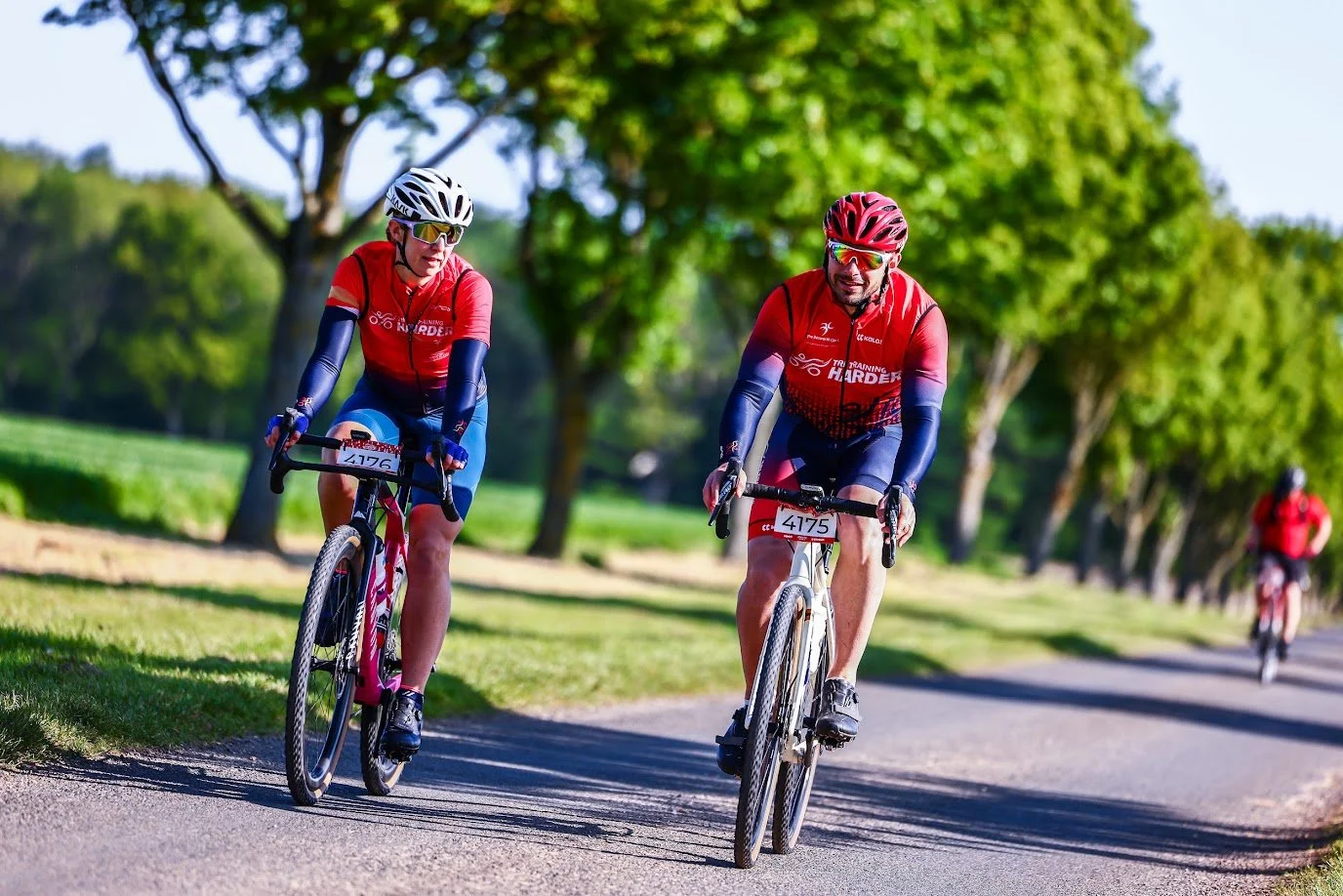
Love it or loathe it, the topic of planning is central to all sports, none more so than multi discipline endurance sports. Helping to focus time, effort and energy, great plans can produce the best results on race day. In this blog Coach Denise looks at the topic of planning, why it helps within the sport of triathlon and how a coach can help you to help yourself.
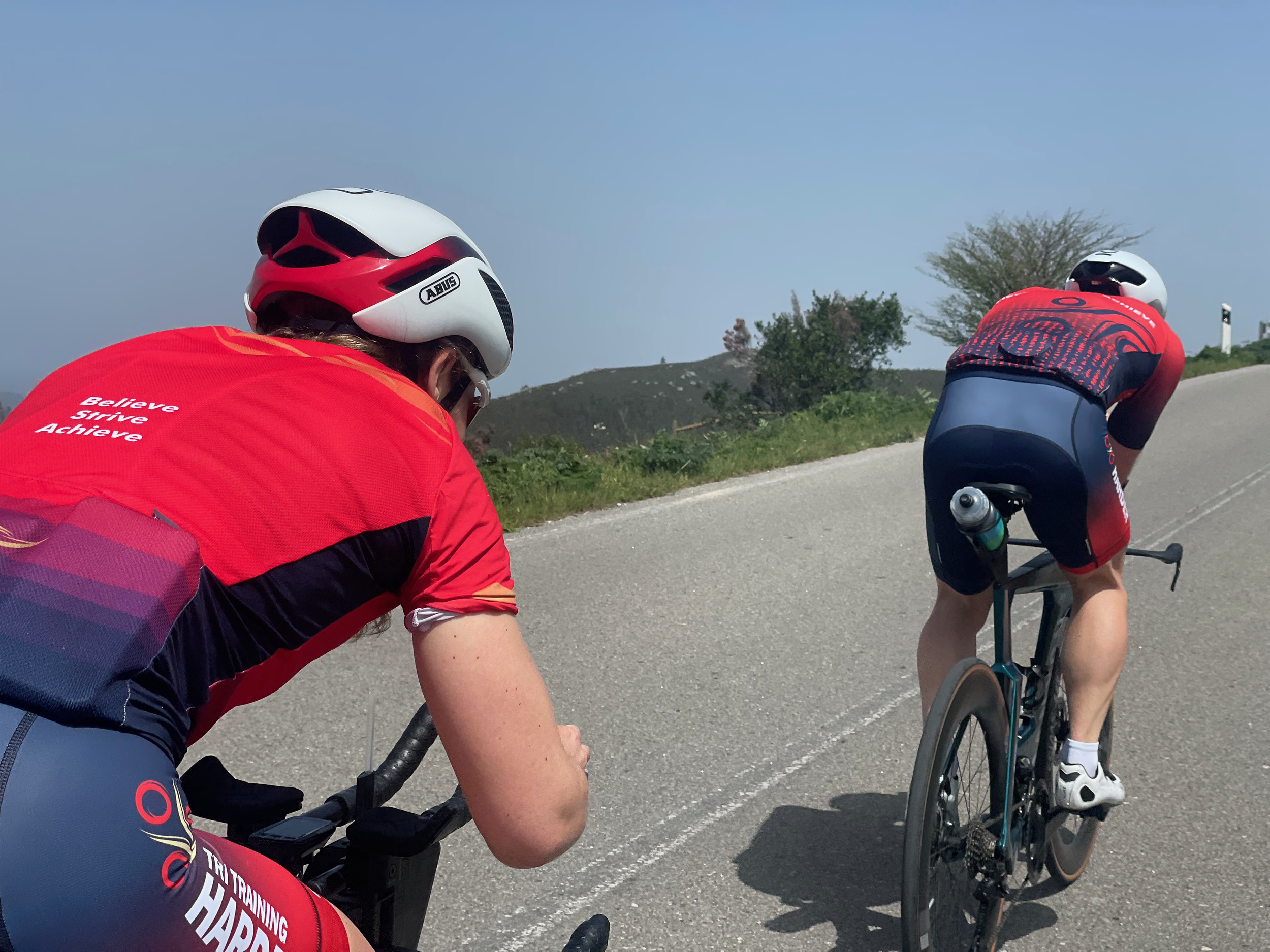
Any sport has a set of rules. As the English cricketers discovered in this year's Ashes, the rules are the rules. The spirit of the rules is something different. As an athlete, our aim is always to compete within the rules. However, most of the time, the rules are in place for safety and fair play. Inevitably, if you want to push the boundary of what is possible, you must move closer to the limit of the rules. This article explored how we can respond to moments where the rules are applied to us!

People are generally better at identifying that social media highlights people’s best lives and often are able to understand that most of what they see online is what people are choosing to filter out to the public. However, how good are they at recognising the consequences of actions? How good are people’s memories? Coach Philip explores this in this latest article.
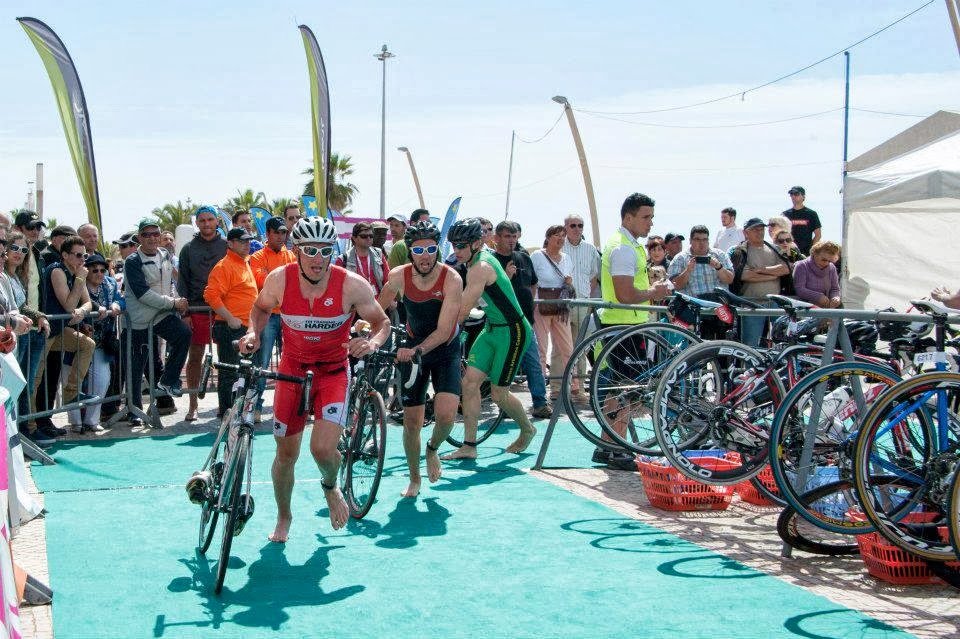
It is rare for an event or a race to go by where athletes will speak to us and say we have raced completely to the plan. In fact, most athletes can pinpoint when things deviated from the plan and why the race was curtailed. In this article, Coach Philip looks at how to manage and adapt to a change of circumstances with your response.

In this article, Coach Alan explores the relationship between wattage and CdA. Often understanding this relationship and its impact on speed makes for effective progression for a racer looking to improve their race speed.

In this latest article, Coach Philip explores how AI may change the face of coaching as we know it. Resisting the temptation to ask Chat GP to write the article for him, he explores this ever-prevalent and topical conversation area. How can artificial intelligence be used in order to help coaches deliver coaching?

Competition is an important part of any sport, and looking at the performance of other athletes can help to motivate and drive performance. Taking it too far and over-focusing on what others are doing can lead to stress and worry about one’s own training. In this blog, Coach Denise looks at the good and bad parts of a comparison and how to stay grounded with your own plans and training.

In this latest article, coach Philip explains why knowing your sodium loss from sweat is critical for endurance athletes. Read on to find out why sodium losses should be measured if you are doing a race that needs a nutrition strategy.
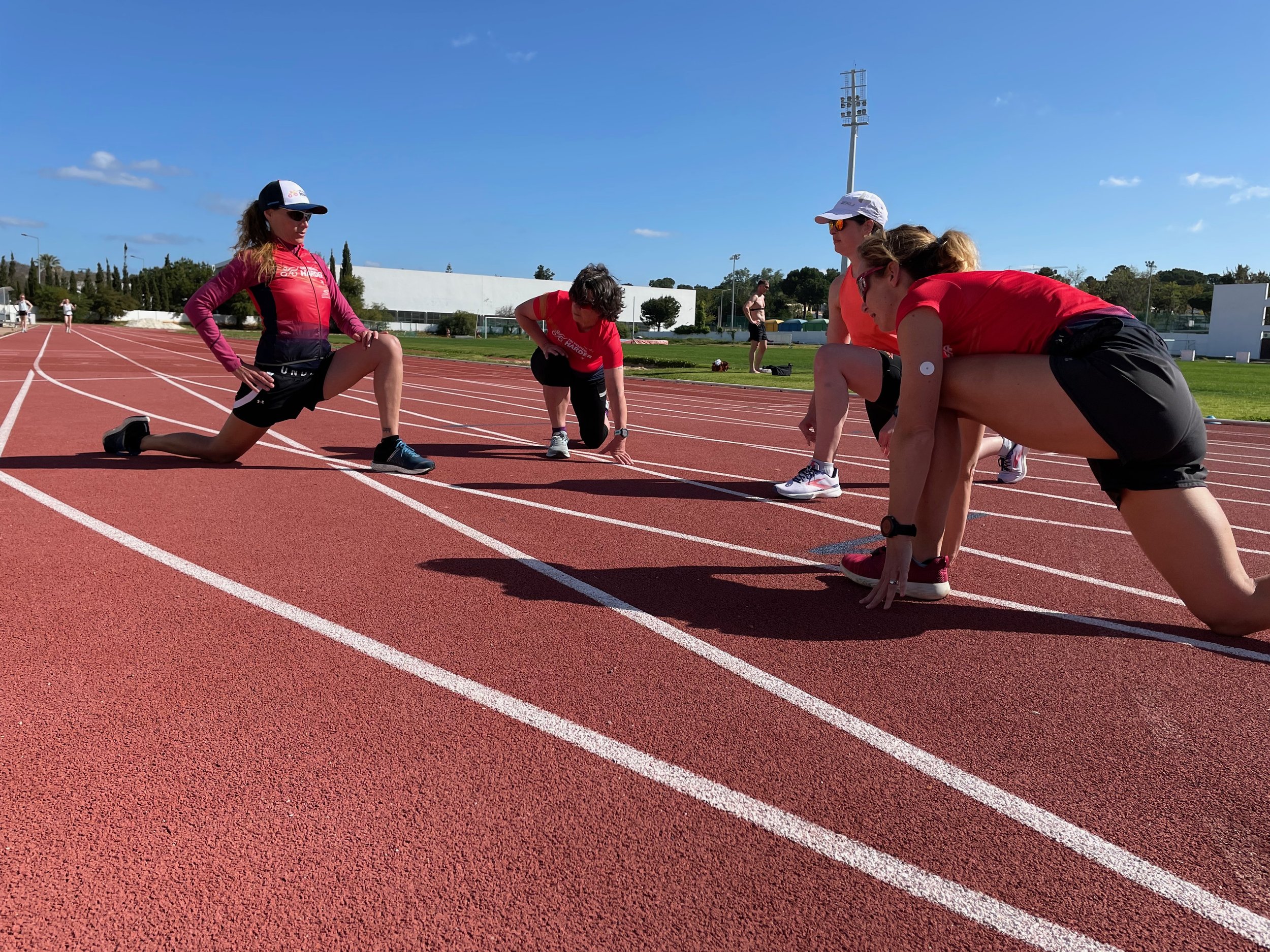
In this article, coach Philip explores the uncanny similarities between the topics covered in a first aid course and the topics coaches and athletes may be more likely to see in training manuals or on social media. Read on to see what we can learn from first aid when we put our endurance athlete cap on.

In her previous blog Coach Denise looked at how the female body is affected by the monthly cycle and what chemical changes drive these impacts. In the second of this small series of blogs, Coach Denise looks at how an athlete can work with these changes and get the most out of their training for the long term.
Podcasts

In this episode, Coach Philip has a very candid conversation with Mark Harvey (Harvey). Harvey and Philip have known each other since they raced their first 70.3 (or Half IRONMAN as they were called) in 2008. They then went on to complete their first IRONMAN in the same year before Philip began to try and go faster, and Harvey wanted to go longer!
Have a listen to see what you can learn by facing the limits of your endurance.

In this episode we hear our coaches discussing what was their most valuable coaching moment of the year and how the make this a meaningful insight for their athletes to hear too. This seemingly straightforward topic caused our coaches to really pause and think about what value they were actually applying to athletes – the result may actually surprise you.

In this episode, Coach Philip and Coach Alan, guide us through the six pillars of Triathlon Development. They look through the theory from the principles for athlete development according to the British Triathlon Federation but bring it back to how these ideas, set up for high performing, Olympic medalist hopefuls, is as applicable to age groupers and amateurs as it is to the elite. Have a listen and a learn and let us know what you think.
If you would like to know more about this subject, please visit the British Triathlon website.
If you would like to know more about this subject, please visit the British Triathlon website at https://www.britishtriathlon.org/gb-teams/talent/athlete-development-framework/the-six-pillars

In this episode, we talk to coached athlete Milly Pelmore. Milly worked with her coach Philip for about a year and is looking towards completing her first IRONMAN this summer. Milly has Endometriosis, which means she has to manage her training around her symptoms, and this episode looks at how she manages that, her work-life balance, and her training.
Milly has Endometriosis, which means that uterus cells and tissues are found outside the womb. Like the womb, the tissue will shed its lining during every menstrual cycle. Unlike the womb, where there is somewhere for the bleeding to escape, the blood has nowhere to go, often becomes scar tissue and can be excruciatingly painful at random times, not just when a woman is menstruating. This is relatively common yet can take a long time to be diagnosed. Milly has to manage her training around her symptoms, and this episode looks at how she manages that, her work-life balance, and her training.
Milly has an extraordinarily positive outlook on her situation, and her ability to pivot problems into opportunities is inspiring. Listen to this episode and learn more about Endometriosis and how you can take her skills and apply them to your own training or life problems.
If you, or someone you know, has Endometriosis or think that you do, please check out the charity page below, or speak to your doctor.
Instagram – @millypelmore
Facebook – https://www.facebook.com/milly.taylor.77
Twitter – @millypelmore
Find out more about endometriosis and the impact it can have:
UK charity: https://www.endometriosis-uk.org/
A recent piece 220 Triathlon did on an end triathlete: https://www.220triathlon.com/training/women/exercising-with-endometriosis-a-triathletes-story/
A 2021 BBC piece on Endometriosis and sport: https://www.bbc.co.uk/sport/56276626#:~:text=When%20endometriosis%2C%20a%20condition%20that,on%20her%20life%20and%20career

In this episode we will recover the Coaches on the Couch from 25th of January where Coach Philip, Jon and Kevin discussed why would you spend 5h on the turbo and how can you do it. This is a time where a lot of athletes like to spend a lot of time doing turbo, this episode will be useful, why not listening to it while you do one of your indoor sessions?

In his episode, we meet Coach Sorrel Williams: a passionate and extroverted coach that tells us her story of how she changed her past from generally not a sportsperson to become a Triathlon Coach and a full-distance triathlon finisher. Sorrel never had any background in sports and didn’t even know how to swim when she started, but that didn’t stop her from changing the direction of her life. Her can-do attitude and positive outlook on life are infectious. As one of our senior coaches, there are always nuggets of information that she can impart from her work with the Academy juniors to her work in other areas of triathlon and coaching. Tune in and have a listen.

In this episode, we chat to Coach Soraya. Soraya is enthusiastic with a huge passion for the sport. She came to Triathlon coaching after some time working as a PT. For our coached athletes, she’s famous for her Strength and Conditioning workouts and if you met her on one of our camps, you will know her for her big smile and positive outlook on the steepest of climbs! Today, we find out more about her as the coach and the athlete.
If you want to read more about Soraya, check her profile here. This year, Soraya moved from the UK to New York where she has to face a totally different experience in triathlon and huge challenges and is now our US-based coach and representative.

The return to swimming has been a major issue for most of the triathletes around the world, being unable to practice one of the most technical segments of triathlon is causing some stress into the athletes and make them wonder how ready or not they feel for the race day. In this episode, Coach Alan Ward and Coach Philip Hatzis discuss what we have learned from the return to swimming after a big pause due to Covid-19 restrictions.

In this episode, our coaches on the couch discussed sitting and its impact on performance. This is an increasingly important subject as, with the current situation where most of us work from home; we tend to spend a huge amount of time sitting down. How can this affect your performance? How will this change your posture? What can and should do to avoid any future issues? Listen to what Coach Tracy, Philip and Alan have to say about it in this podcast as they help navigate sitting and how you can improve your home-working space. If nothing else, we will guarantee you will spend the episode checking your own posture while you listen!

On today’s episode of Coaches on the Couch, Coach Philip has guest speakers: Susie Cheetham, Angela Jameson and Emma Hatzis. The aim of this conversation was to educate and empower pregnant and postpartum female athletes in an informed manner while attempting to clarify and dispel any myths or misunderstandings around pregnancy and endurance sport. In this honest, transparent and enlightening episode, we cover a whole range of experiences and lessons that these three experts want to share with you.
Susie Cheetham is a GB runner turned professional triathlete: Course record holder at IRONMAN Hamburg, a frequent contender on Alii drive with 6th places at the World Championships. Both Susie and her husband Rob are coaches themselves. Susie is expecting her first child shortly!
Angela Jameson runs Physically Fit UK. Angela is overly qualified: after a degree in sports science, she turned her hand as a physical trainer and pilates instructor where she is a leading expert on pre and postnatal pilates, health and well being. Her brother-in-law is ex-professional triathlete Joel Jameson and so she understands the sport of triathlon.
Emma Hatzis is a top age-group triathlete, after being the fastest AG at Staffordshire 70.3 in 2018 and the overall winner at IMUK in 2019, she competed at her first World Championships in 2019. She also has been dragged into this episode as she has the pleasure of being coach Philip's wife! They are expecting in early January.
Videos
Use the icon on the top right of the video screen above to see all the video options, or check out the playlist in youtube.
Confidence on race day is not something that can be simply wished into existence; it is built over time by recognising genuine improvements in training and racing. By consistently seeing what they are capable of, athletes build a solid foundation of self-belief, known as self-efficacy, that they can rely on when it matters most. The key to unlocking genuine race-day confidence lies in evidence, experience, and focusing on process goals. This article explores a recent Podcast discussion with Coaches Philip and Diogo and summarises their conversation.