
Execution Over Perfection
Confidence on race day is not something that can be simply wished into existence; it is built over time by recognising genuine improvements in training and racing. By consistently seeing what they are capable of, athletes build a solid foundation of self-belief, known as self-efficacy, that they can rely on when it matters most. The key to unlocking genuine race-day confidence lies in evidence, experience, and focusing on process goals. This article explores a recent Podcast discussion with Coaches Philip and Diogo and summarises their conversation.
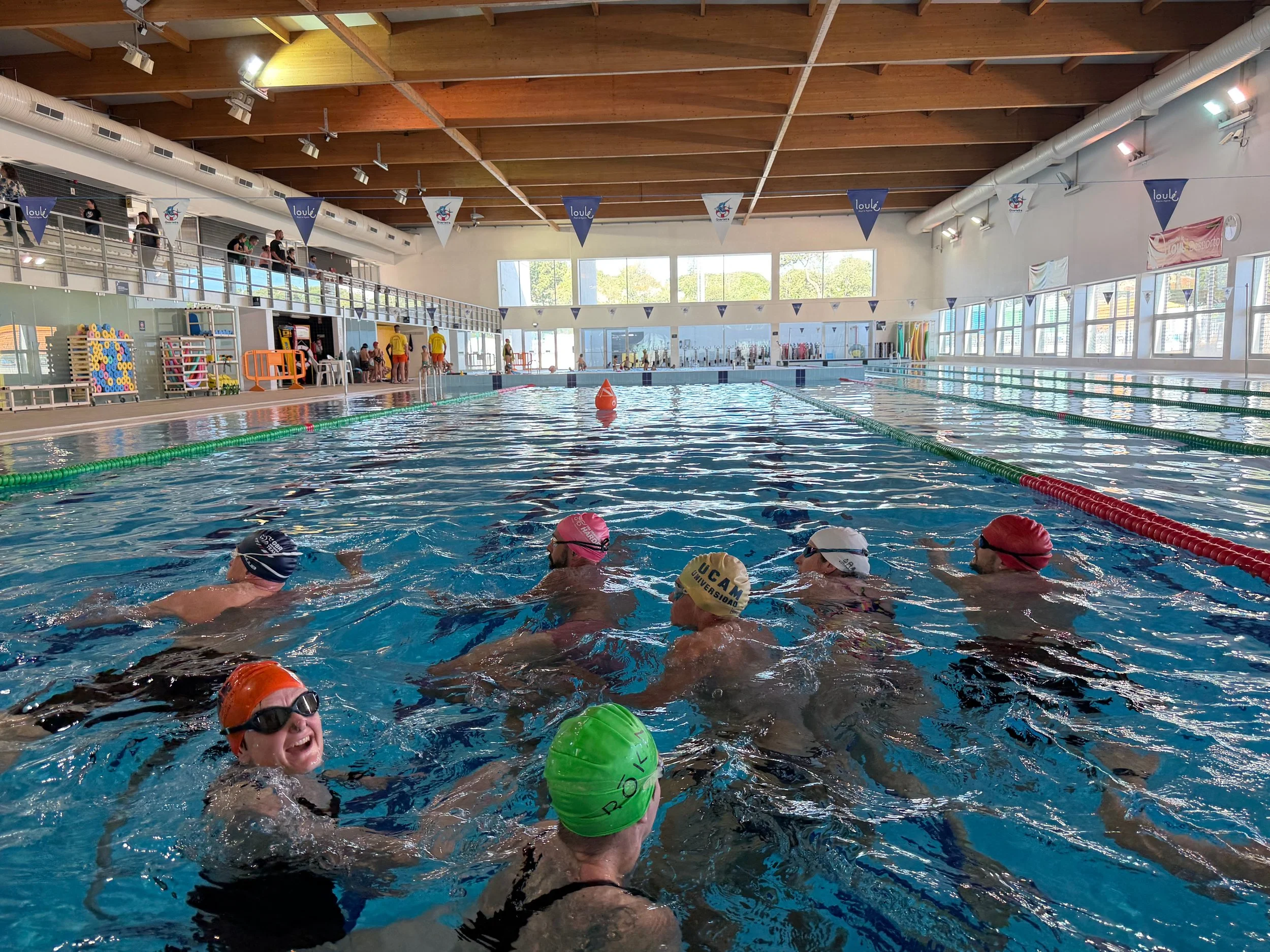
Confidence on race day is not something you can simply conjure up or talk yourself into. Instead, it is built over time by recognising genuine improvements in your training and racing. In reality, confidence tends to follow strong performances, rather than the other way around. When you notice yourself pacing more evenly, staying composed when things get challenging, fuelling effectively, or recovering quickly from setbacks, that is when your confidence truly begins to develop.
The key to unlocking genuine confidence on race day lies in evidence and experience. By repeatedly seeing what you are capable of, you gradually build a solid foundation of self-belief that you can rely on when it matters most.
Earning Confidence Through Preparation
Confidence does not magically appear on the start line. It is something you develop gradually, step by step, throughout your training journey. By consistently focusing on the fundamentals and regularly reflecting on your progress, you begin to trust in your own abilities and see what you are truly capable of achieving.
It is important to celebrate the wins, no matter how small. As coaches, we ensure athletes have plenty of opportunities to succeed by designing training sessions that set them up for positive outcomes. When you notice a new personal best or see progress in a test, take it as a clear sign that you are moving in the right direction. These moments are worth recognising and can be powerful motivators.
Keep your focus on the process, rather than just the outcome. If a session does not go as planned, remember that it is only one workout within a much larger journey. What truly matters is the consistent effort you put in and the lessons you take from each experience, not whether every session is a perfect success. This mindset is what helps build lasting, resilient confidence.
Take every opportunity to practise racing, even if it is just a local 10k or a club time trial. These smaller events are invaluable for getting comfortable with the race environment, refining your warm-up routine, and learning how to manage the practicalities of race day. The more you expose yourself to these situations, the more natural and familiar racing will feel.
Embrace testing as a regular part of your training. Test sessions act as mini races and are an excellent way to practise performing under pressure, whether you are on your own, with your coach, or in a public event. If you avoid these opportunities, you are more likely to feel nervous and unprepared when it matters most. Regular testing helps you become comfortable with the demands of racing.
Understanding the Role of Nerves
It is important to understand that anxiety and confidence are not opposites; they can exist together. Pre-race nerves are completely normal and, in fact, often signal that the goal you have set is both challenging and meaningful. If you were not feeling nervous, it might suggest you are not pushing yourself to reach your full potential.
Nerves only become an issue when they escalate into overwhelming fear or anxiety that prevents you from performing at your best. The aim is to learn how to manage your nerves so that they energise you, rather than hold you back, as you approach the start line.
Want help Individualising your training?
Our coaches help endurance athletes build training plans that fit around real life while still improving performance.
Book a Free Coaching ConsultationMastering Race-Day Control
A confident athlete feels a sense of control on race day. They understand what needs to be done and trust in their ability to handle whatever challenges arise. The way you approach this sense of control will depend on your personality and experience:
The Planner: Some athletes thrive when they have a clear, detailed plan that they have practised multiple times. Their confidence is rooted in structure, which allows them to manage the known elements of the race with ease.
The Spontaneous Athlete: Others prefer adaptability, and for them, confidence comes from practising a range of scenarios in training. By developing the skills to handle whatever comes their way, they know they can respond effectively to unexpected situations on race day.
Regardless of your style, your race plan should be tailored specifically to you. Generic strategies rarely deliver the same results as a plan built around your unique strengths, needs, and experiences.
Avoiding Confidence Derailers
Confidence can quickly unravel if you begin to focus on things that are outside your control.
Negative expectations can easily undermine your confidence. Placing pressure on yourself to achieve a specific time or position, or becoming frustrated by a 'bad swim' that may have been influenced by factors like currents or course length, can disrupt your fuelling and pacing for the remainder of the race.
Complaining about race conditions such as wind, heat, or rough water only serves to drain your mental energy. It is important to remember that everyone is facing the same conditions. Treat a challenging day as a minor adjustment to your plan, rather than a reason to abandon it altogether.
Focus on process goals. Take large, uncontrollable outcomes, such as winning a race, and break them down into smaller, manageable steps that you can control. Rather than fixating on the end result, concentrate on executing each element well—like maintaining a strong swim stroke to position yourself in the front pack. By working backwards from your desired outcome to the basics, you will often find that getting these fundamentals right has a greater impact on your success than you might expect.
If you find yourself disappointed with your result despite saying you were 'just out for a laugh,' it may be a sign that you were not being fully honest with yourself about your goals. Authenticity about your ambitions, even if you only share them with yourself or your coach, is essential for genuine growth and lasting confidence.
Key Takeaways
Earn It: Confidence is earned through consistent work and training. Athletes should be proud of the effort they put in.
Plan for Everything: Plan and prepare for what is known, and, crucially, mentally prepare for the unknown eventualities of race day.
Embrace the Nerves: Nerves indicate that the goal is important and that they are pushing themselves to the limit.
Control the Controllables: Focus exclusively on executing the process goals they can control and ignore external factors like weather, opponents, or expectations.

Philip is the founder of Tri Training Harder LLP. He’s a British Triathlon Level 3 coach, and has been coaching for over a decade and is involved with mentoring and developing other coaches.
Philip has coached athletes to European and World AG wins, elite racing, many Kona qualifications, IRONMAN podiums and AG wins.
Alongside the conventional development through many CPD courses, he has also been fortunate enough to work alongside experts in the fields of Physiotherapy, Strength and Conditioning, Nutrition, Psychology, Biomechanics, Sports Medicine. Putting this knowledge into practice he has worked with thousands of athletes to various degrees, from training camps in Portugal and around Europe, clinics in the UK and online coaching.
Visit Philip's
Coach profile
We’re here to help
Tri Training Harder are one of the leading Triathlon coaching providers in the UK, using our wealth of experience to unite scientific and technological research with already well-established and successful best practices, to create a formula for triathlon and endurance coaching that works.
The result is an honest, dynamic, yet simple new way of constructing an athlete’s training to allow them to reach their potential.
If you’re planning your next season, just starting out in the sport or are looking for extra guidance at the very top end of the field, we are here to help, and our coaches would be delighted to hear from you. You can contact us via the website, and one of the team will be in touch.