

Heat Acclimatisation
Tri Training Harder has partnered with The Altitude Centre to provide heat acclimatisation sessions for athletes planning on racing in hot environments.
The heat sessions can be bought as one-off sessions or as a bundle of five. The first session includes an initial assessment where you identify your target core temperature. Thereafter, each session is about exposing you to the target core temperature and allowing your body to adapt to the environmental stimulus.
Heat Training is all about ensuring there is adequate stimulus to force your body to adapt. At the Altitude Centre, you can create the environment you will be racing in to help force the physiological adaptions and prepare the mind to race in warmer climates like Marathon des Sables, Kona, or other warmer locations.
Key benefits of heat adaption and heat training include:
Improved ability to perform in the heat
Reduced core temperature during exercise in the heat
Improved comfort in the heat
Understand the impact of heat on performance to fine-tune race strategies
For warmer events, it is also really important to know your sweat rate and sodium loss through sweat tests. This knowledge and preparing your body to race in the heat can maximise your performance in warmer events.
TTH athletes receive a discount. Please book through the athlete zone.
Locations:
The Altitude Centre – 50 Gun Street, London.
Sessions can be completed in the heat chamber on the bike or on the treadmill.
Sessions are 60 minutes long in duration.
Book through their website using the links below.
You can also work with one of their sports scientists to create the best plan for you.
TTH Coached athletes receive a discount.
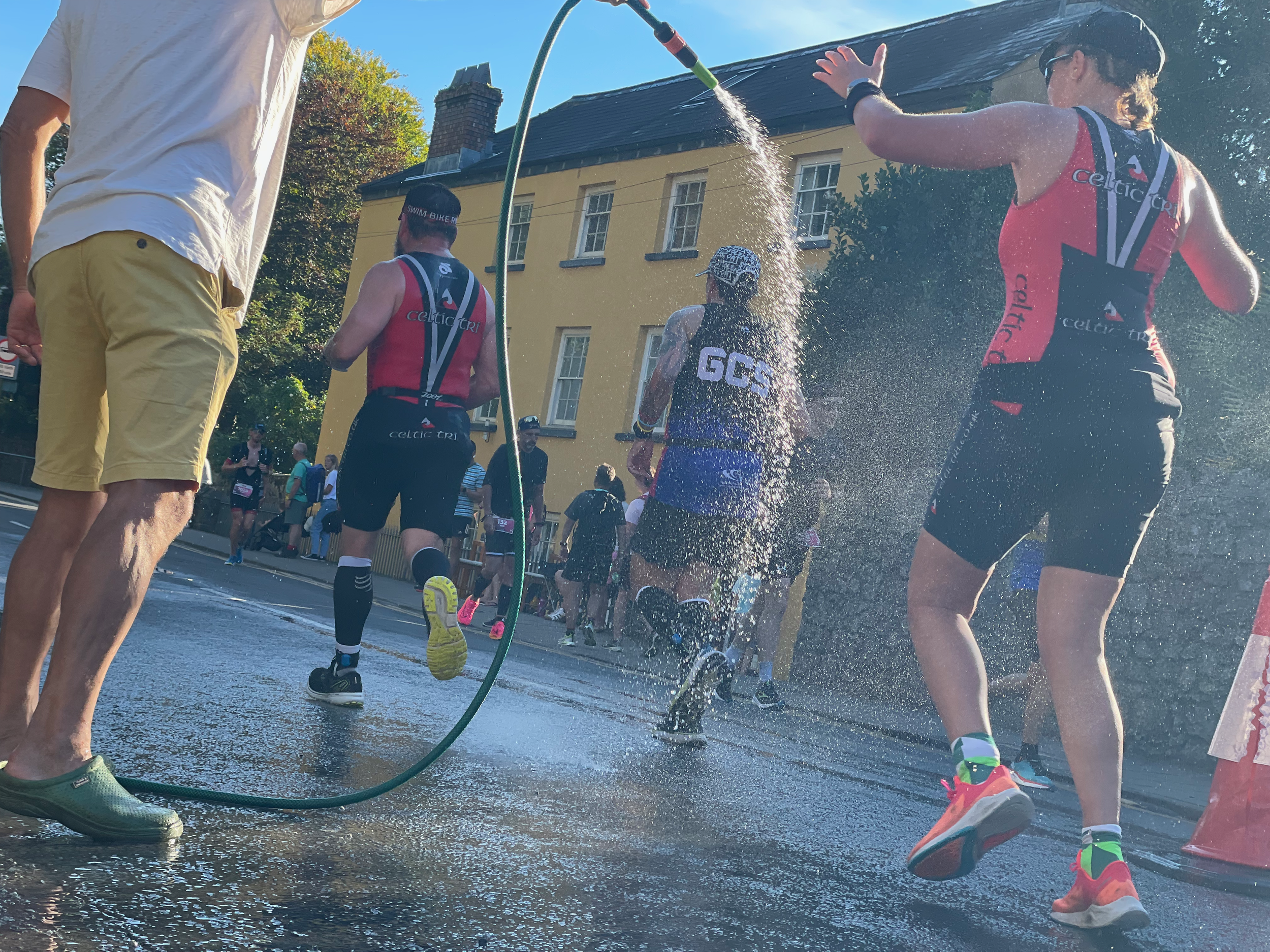

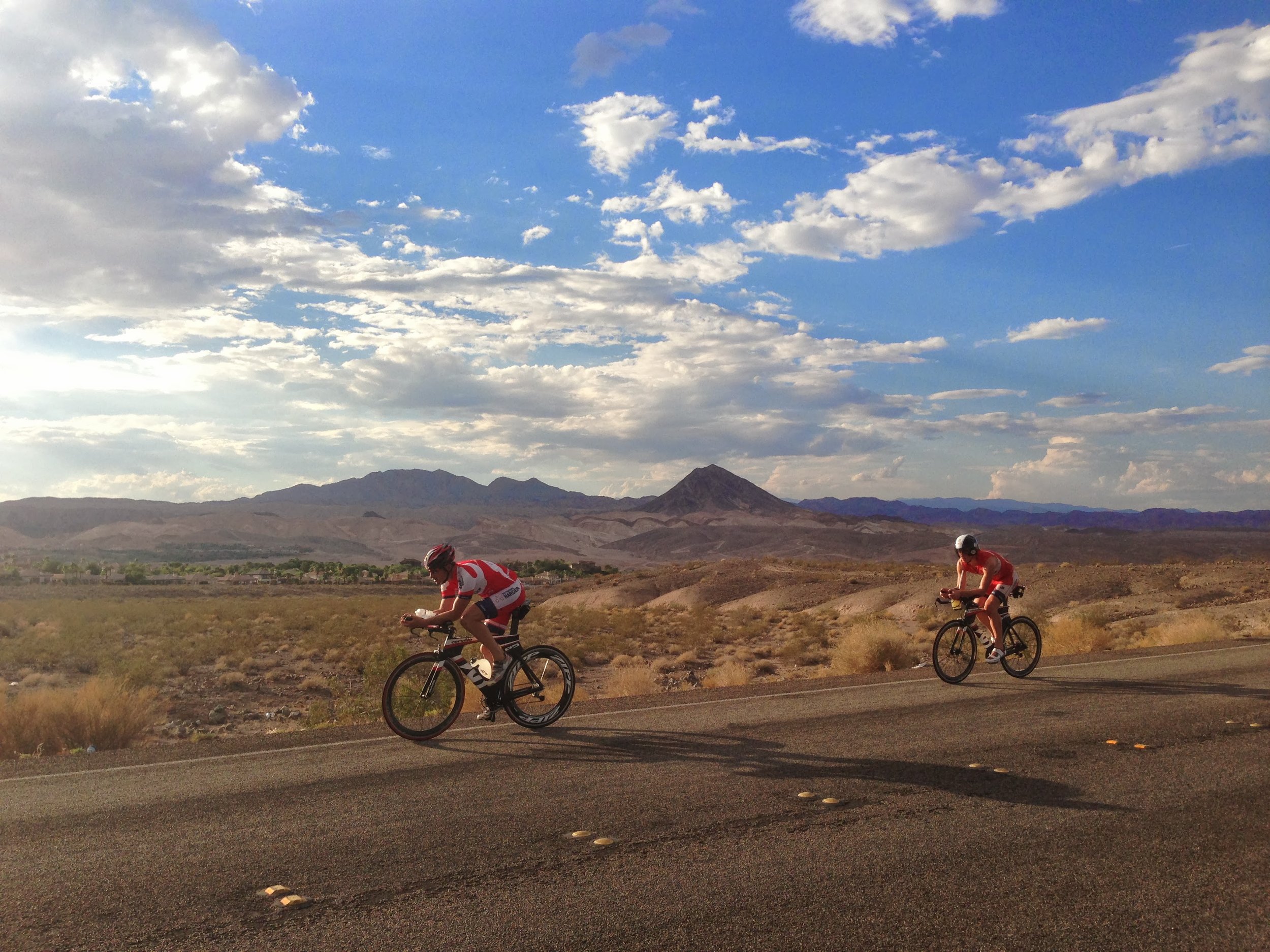
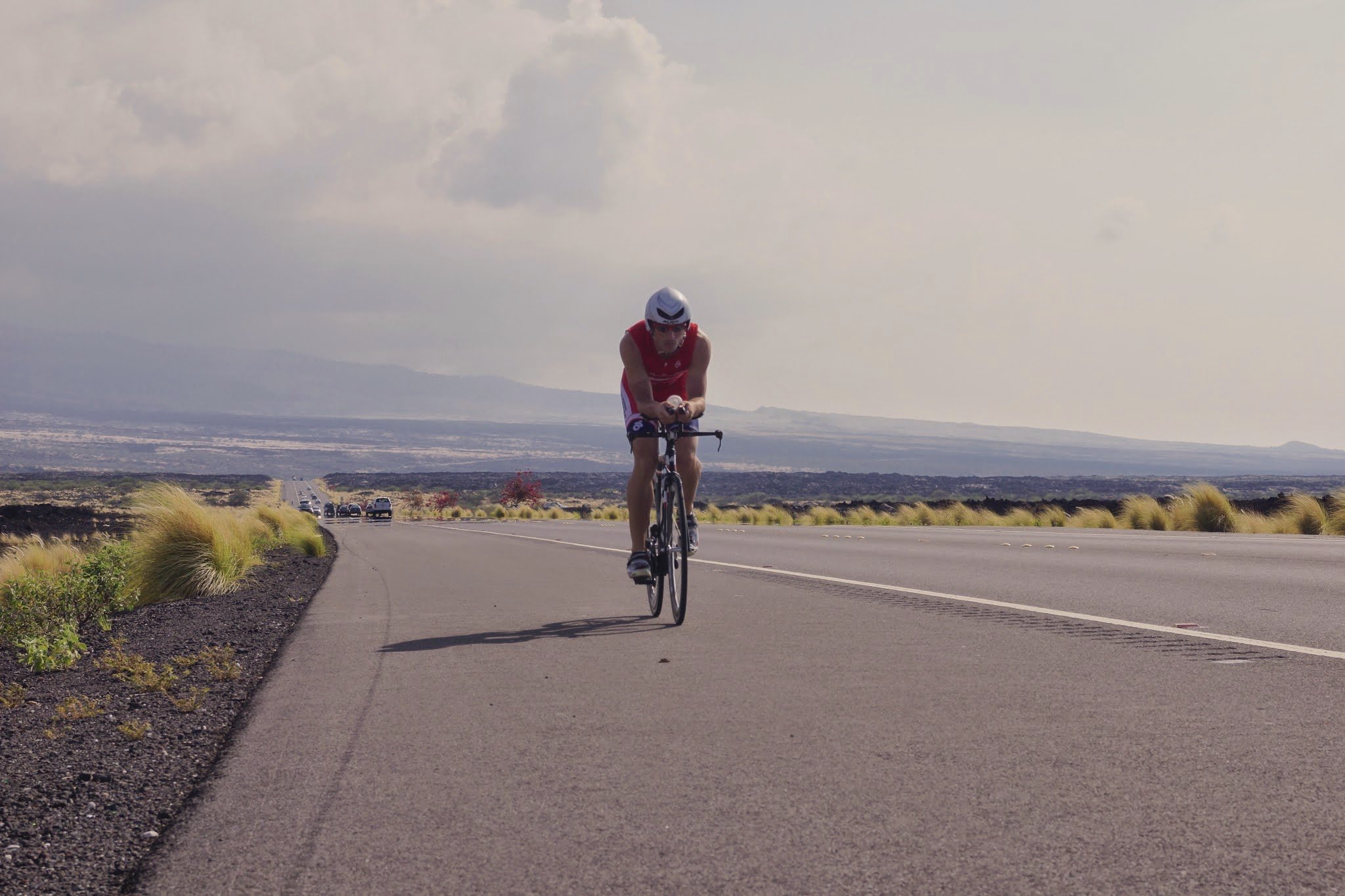


Articles on Heat Acclimatisation
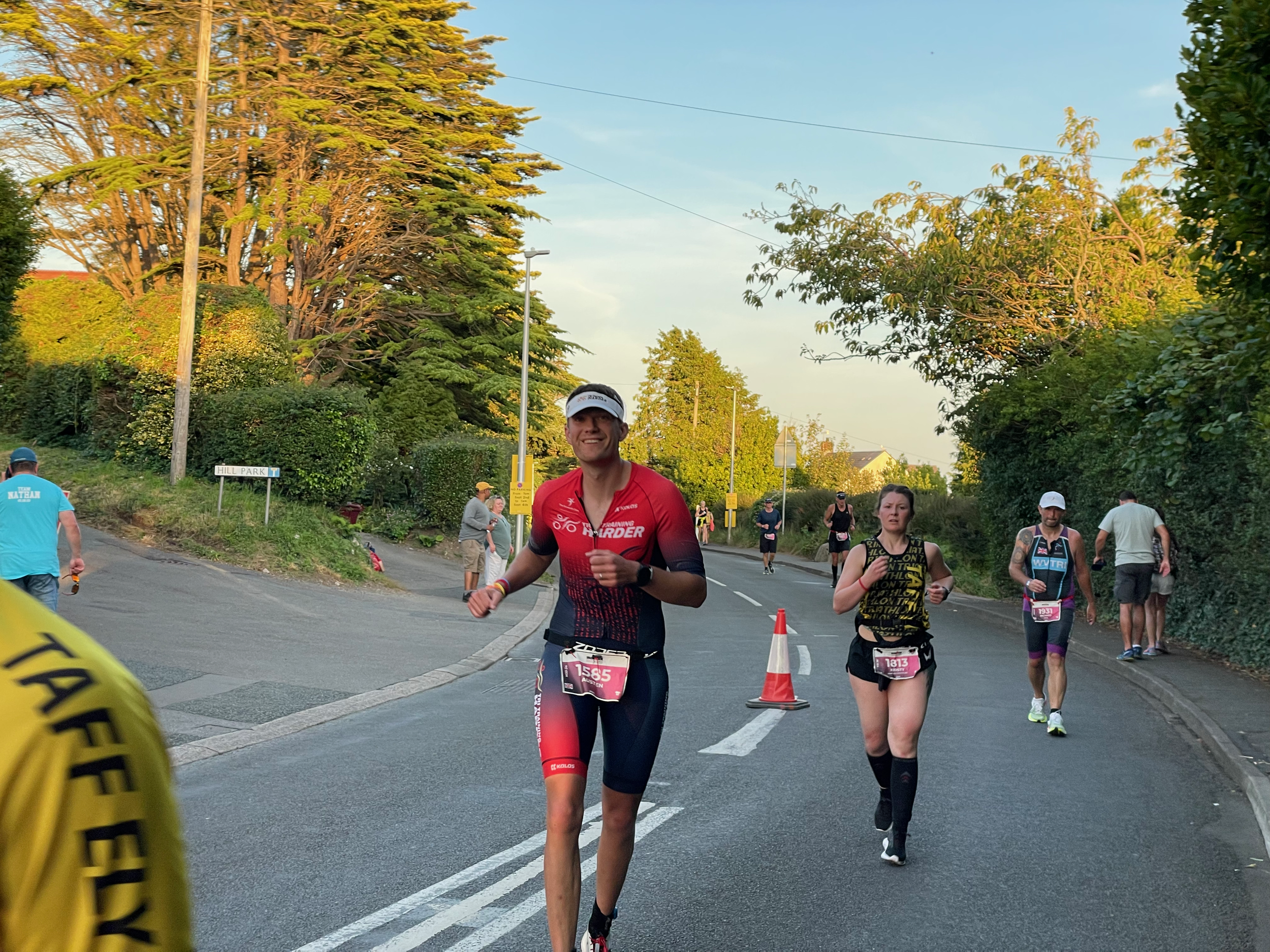
Many people have mantras, either for how they live their lives, or relating to how they turn up and train. In this small series, Coach Denise looks at the mantras which have meaning to her personally, and shares how they help her with both life and training.
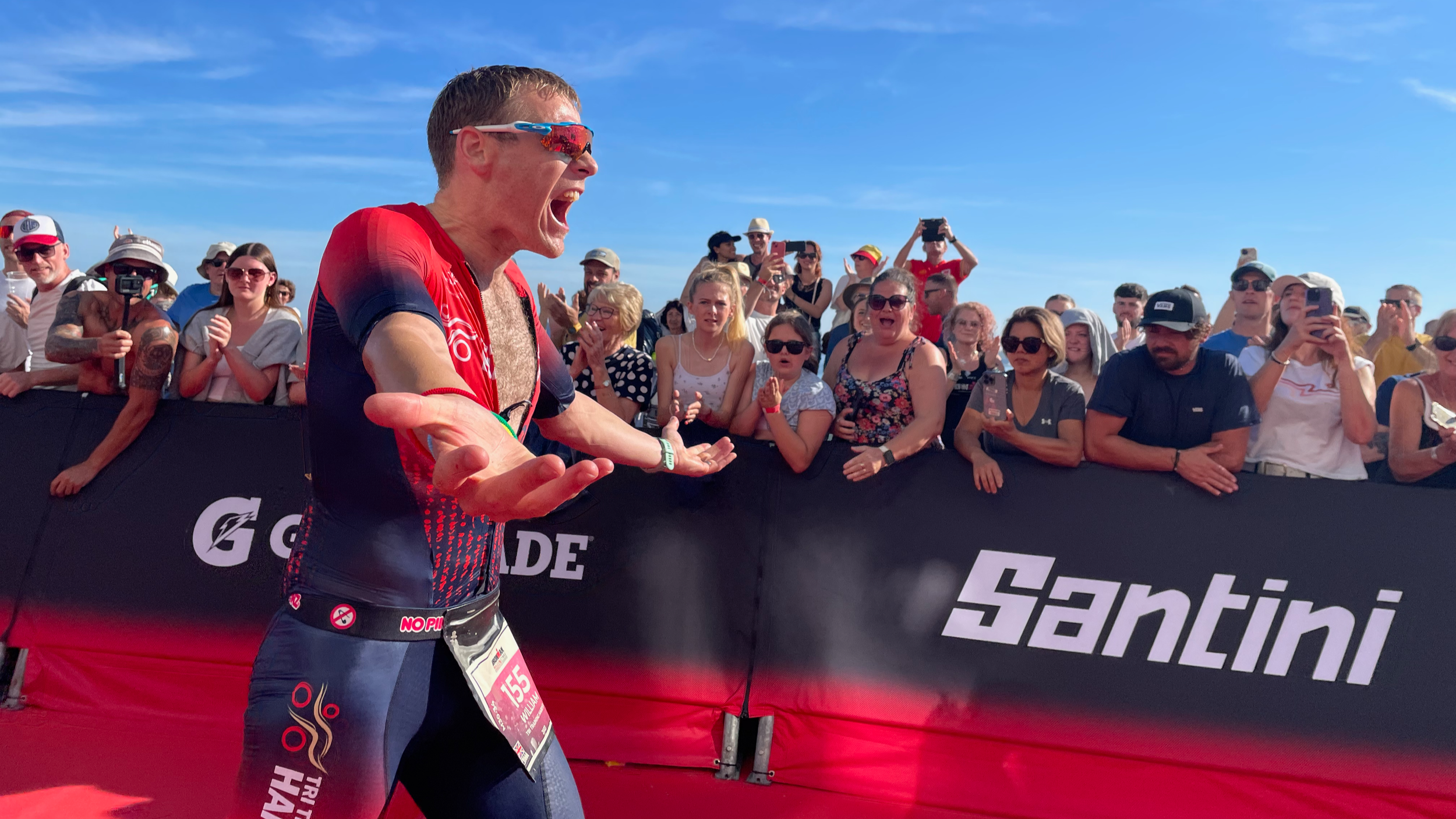
Mantras – what do they really mean and how can they help?
Many people have mantras, either for how they live their lives, or relating to how they
turn up and train. In this small series, Coach Denise looks at the mantras which have
meaning to her personally, and shares how they help her with both life and training.

Many people have mantras, either for how they live their lives, or relating to how they turn up and train. In this small series, Coach Denise looks at the mantras which have meaning to her personally, and shares how they help her with both life and training.

In this latest article, Coach Philip looks at some common ways that athletes fail to reflect appropriately and lose an excellent opportunity to learn, grow and evolve between seasons. Have a read at how you can ensure you don’t make the same mistakes and build on each season.
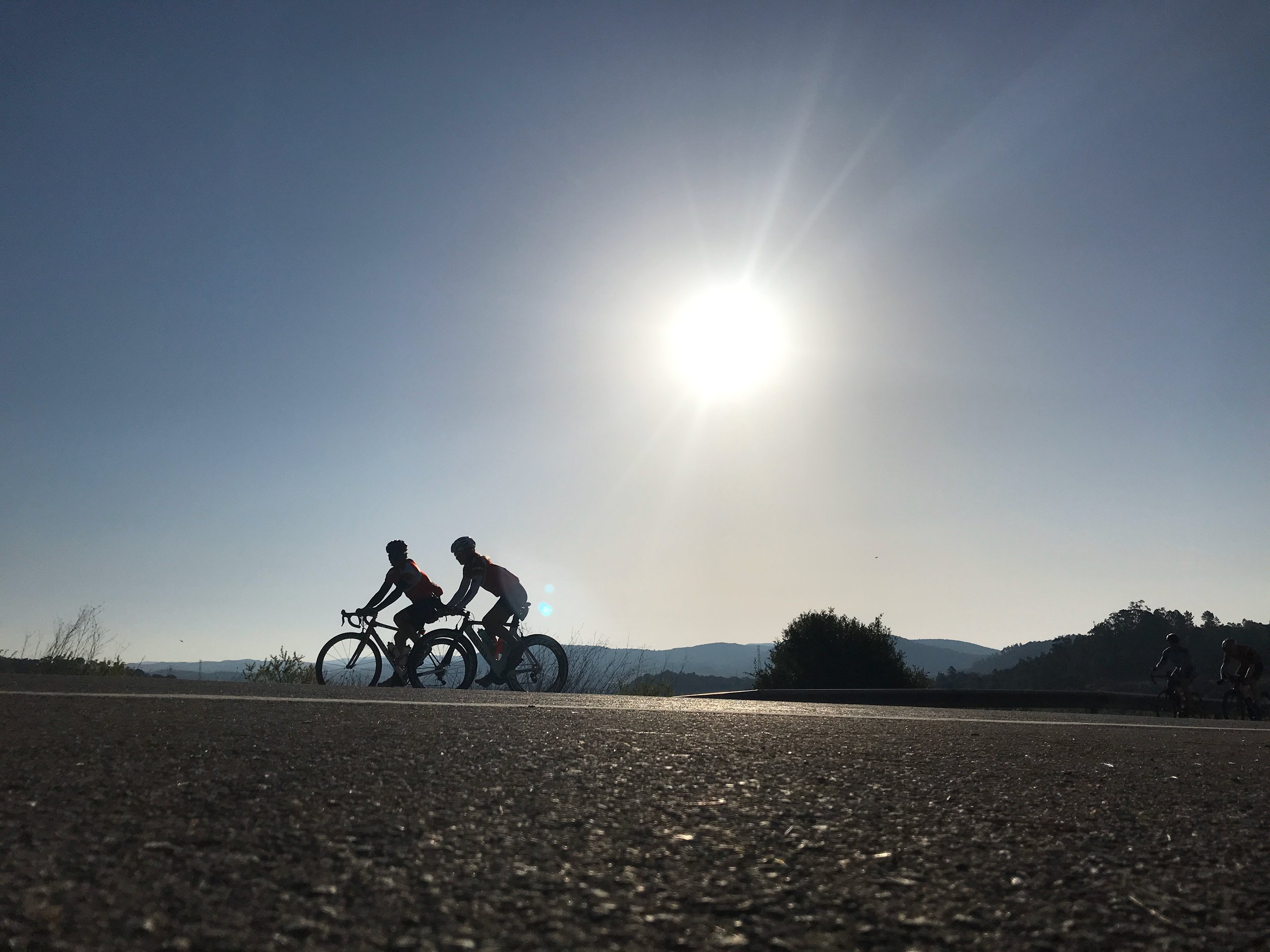
We would always recommend athletes get a proper bike fit to reduce the chance of getting an injury. However, if you haven’t had the opportunity to get a bike fit or don’t have the funds to invest in one just yet, here are some top tips on checking your fit and bringing it close to the right ball-park area.

For many people travelling abroad for a training camp, especially their first one, there is often a question about whether or not they should take their own bike. This handy guide will help you ask ten questions to decide whether or not you should be using your bike or if you should be renting. We will cover all aspects, including costs, fit and other considerations.

For many athletes attending a triathlon, or any training camp which includes cycling, there is often a question of how much cycling they need to do to survive the training camp schedule. This article explores how much training an athlete needs before turning up for a week of cycling.

This latest article delves into the factors that help athletes decide on the best training camp option and where they should go. With a quick internet search returning hundreds of locations which look incredible and boast similar experiences, what are the defining factors? Does money get you more? Can you do it yourself? Read on to find out more.

Although we are firmly a coaching company, Tri Training Harder began life as a training camp company. Our founder, Philip Hatzis, outlines the key considerations people should make when signing up for their first camp or going somewhere new!

For many athletes, signing up for the first training camp is a significant moment in their experiences as an athlete. It can also be very daunting. This article outlines some of the terminology and demystifies training camps for those heading out on their first camp so that the overall experience is overwhelmingly positive!

Training camps are often thought of as something only the top-level athletes do. However, over the past decade, we have seen more relatable athletes completing training camps to improve their fitness and technical skills or have an excellent time abroad. This article looks at the similarities training camps have for athletes of all different ability levels.

Packing for a training camp is a real art. You must balance your luggage's weight allowance and space with the things you need to take with you and those nice-to-haves. In this article, we look at what you should think about taking with you and some top things to pack, even though it may seem a little extravagant or unnecessary!

As many more athletes fly out to training camp destinations, this article looks at some top tips on fuelling and training that athletes can keep in mind as they begin planning their first training camp. Coach Philip Hatzis, who has run our training camps for almost two decades, provides us with some essential tips.

Now you are all signed up for your first training camp, you may feel slightly nervous, but there are some top tips to make the most of the experience and use the camp to propel your fitness for the season and in the larger landscape of your athletic development. This article covers how to make the most of this first training camp experience, and though it is aimed at first-timers, there are some valuable points for all athletes attending a camp!

People are generally better at identifying that social media highlights people’s best lives and often are able to understand that most of what they see online is what people are choosing to filter out to the public. However, how good are they at recognising the consequences of actions? How good are people’s memories? Coach Philip explores this in this latest article.
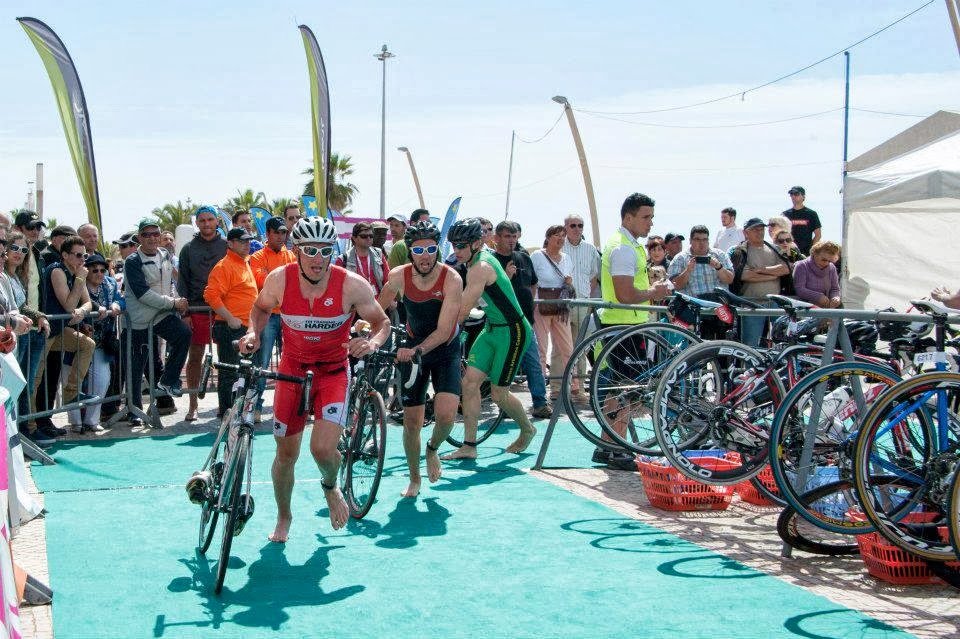
It is rare for an event or a race to go by where athletes will speak to us and say we have raced completely to the plan. In fact, most athletes can pinpoint when things deviated from the plan and why the race was curtailed. In this article, Coach Philip looks at how to manage and adapt to a change of circumstances with your response.

In this blog Coach Denise looks at how we talk to ourselves and what impact that could be having. Learning to be a little bit kinder to ourselves can have positive impacts on all aspects of our lives.

In this latest article, coach Philip explains why knowing your sodium loss from sweat is critical for endurance athletes. Read on to find out why sodium losses should be measured if you are doing a race that needs a nutrition strategy.

Often athletes express concern about descending fast, and we regularly have conversations at our training camps with athletes about their fear of descending. This article explores where that fear comes from and how to overcome it.

In this article, coach Philip looks at our ability to "dig deep" and how we can nurture it and become better and what many people call "mental toughness" as he explores why some people find it hard to push themselves in a race.
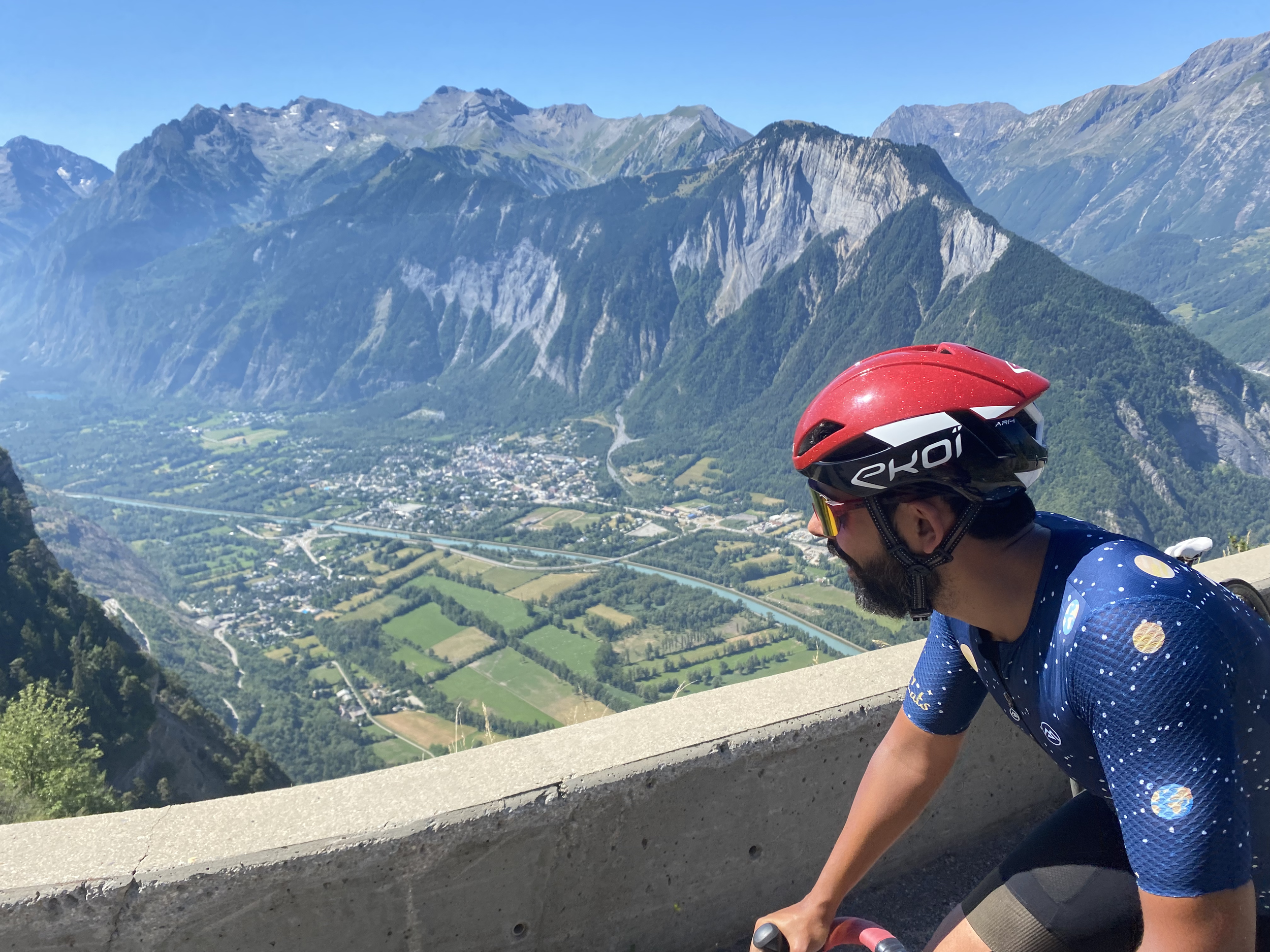
A strong foundation of a healthy diet is a great starting point, but when training, it is crucial to ensure that energy used is replaced in a form which is readily accessible. Coach Denise looks at how much fuel is needed, in what form, and some other reasons to train your fuelling strategy well before race day.

In this article, coach Kevin reflects on an athlete conversation he had during a group workout. He asked a simple, but very deep question. “What are your four key training principles?” Read on to hear the athletes’ answers.

In this two-part blog, Coach Jon Reilly investigates sweat testing: what is it, how does it work and do you need to do it? The first part looks at fluid loss, and the second one at sodium loss. Let’s find out more.
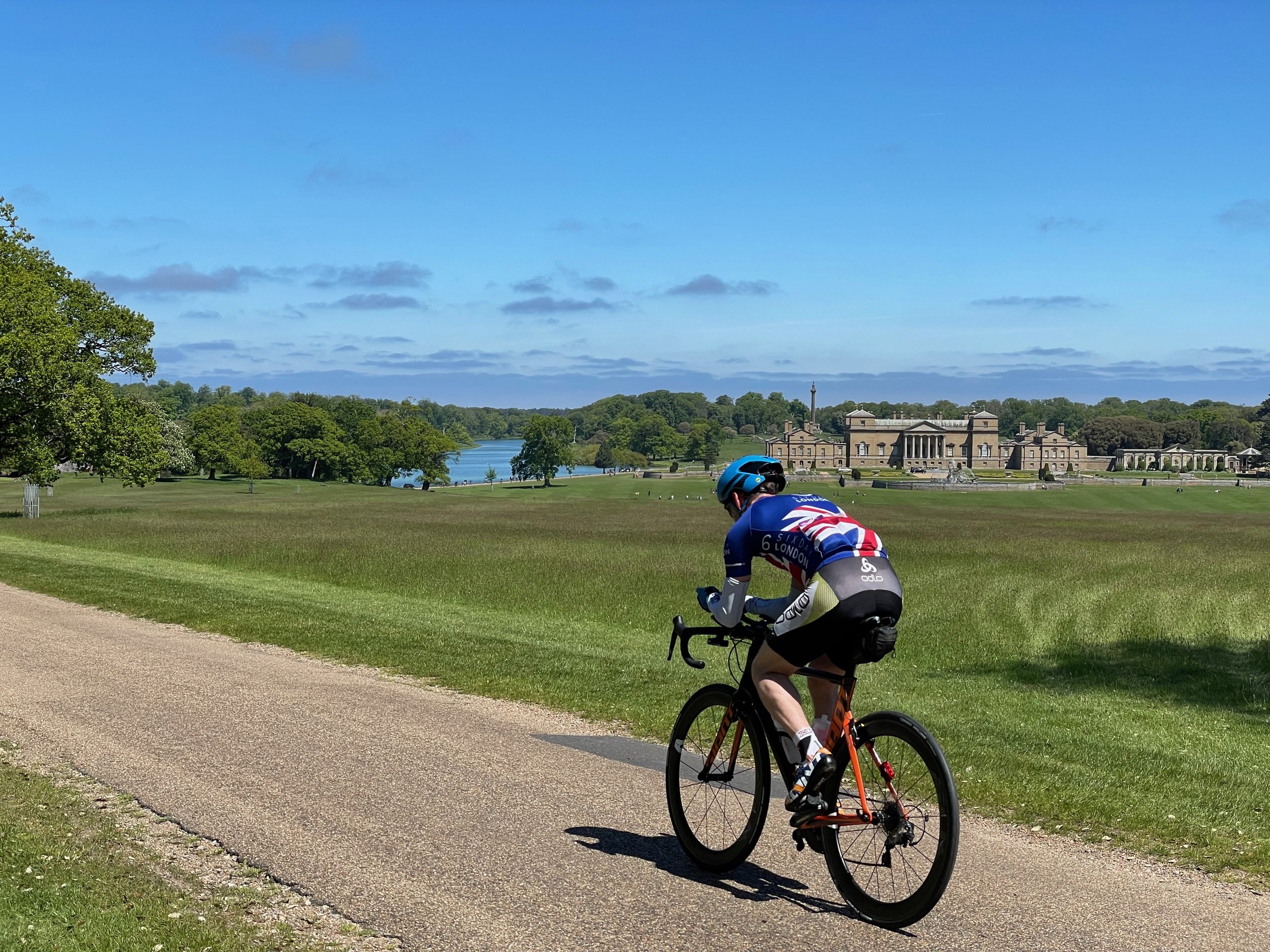
In this two-part blog, Coach Jon Reilly investigates sweat testing: what is it, how does it work and do you need to do it? The first part looks at fluid loss, and the second one at sodium loss. Let’s find out more.

In this blog, Coach Jon looks at making injury prevention a permanent part of our daily routine.

In this article Coach Alan writes about the age group athlete journey and how a little bit of perspective can help with performance, longevity and enjoyment of the sport of triathlon.

As we have seen in many of our recent blogs, improving triathlon performance is not wholly dependent on physical improvements. Here coach Jon looks at meditation as a way of training our mindset to help our athletic performance. Can meditation be useful for endurance athletes?

Where does emotional intelligence fit in sport? What does it take to really excel in the world of sport? The ability to deliver your best when it matters the most is a fundamental part of performing under pressure. Can this ability be taught, learned and developed? Coach Tim explores.
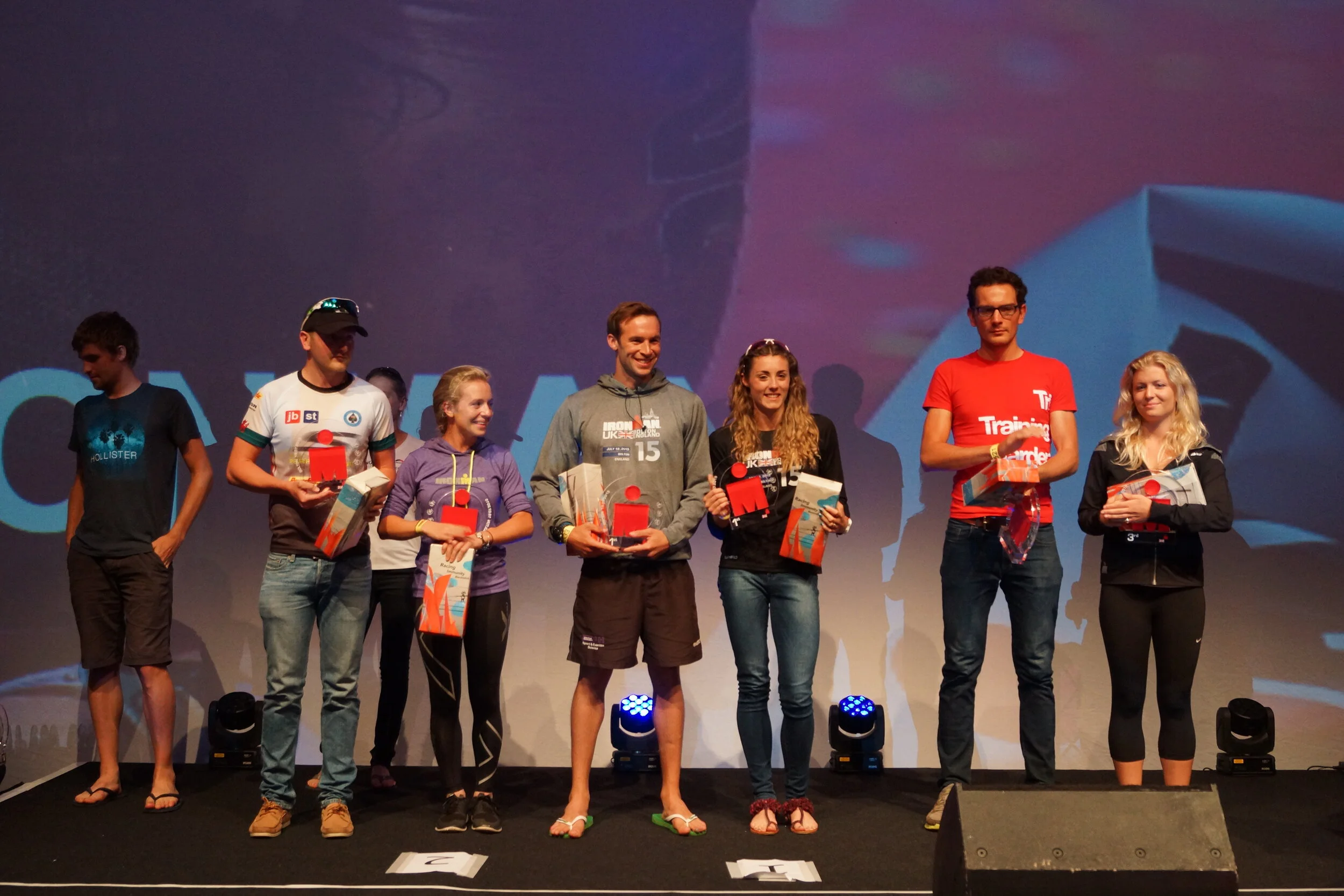
Here Coach Philip looks at the psychological makeup of endurance athletes and goes under the hood to find out what makes higher performers successful. Often athletes talk about mental toughness and the ability to “griz” it out. Though these are both admirable qualities, are they actually the main focus, or is there more to it than a tolerance or enjoyment of self-inflicted endurance?
Confidence on race day is not something that can be simply wished into existence; it is built over time by recognising genuine improvements in training and racing. By consistently seeing what they are capable of, athletes build a solid foundation of self-belief, known as self-efficacy, that they can rely on when it matters most. The key to unlocking genuine race-day confidence lies in evidence, experience, and focusing on process goals. This article explores a recent Podcast discussion with Coaches Philip and Diogo and summarises their conversation.