
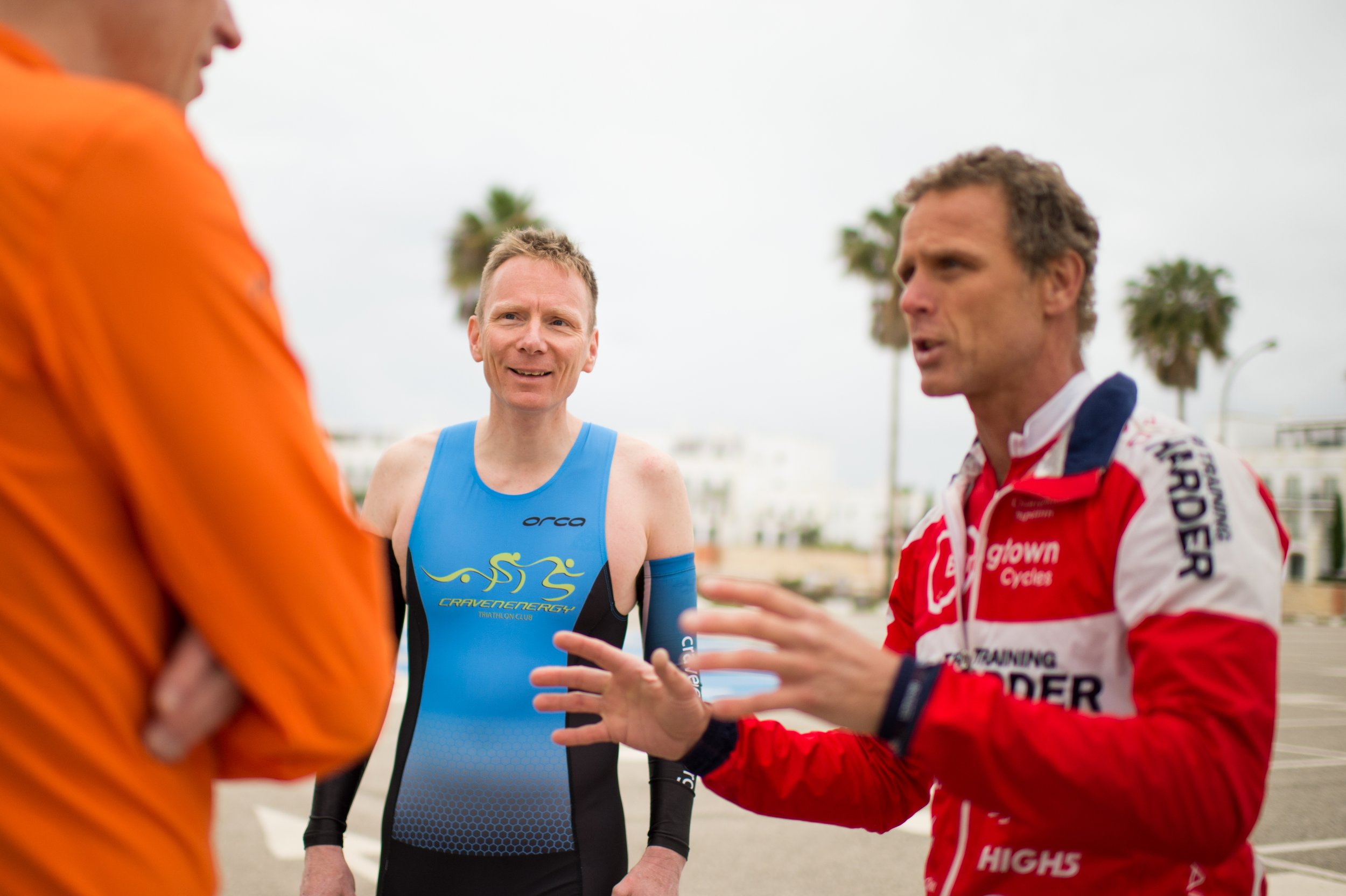
Bespoke Coaching Sessions
If you can’t find what you are looking for, then be in touch, we may be able to set up your ideal training session at your home place with one of our professional coaches.
The fee for this will be based on the coaches time to set up and deliver the session along with any facility hire costs too. Have a look at our coaches’ pages to learn where they are based, as this may help you work out what you can do. If there are multiple attendees, then we may need to check our coaching ratios and bring an additional coach.
You will need to fill out our contact form and we will be in touch to work out what is needed to deliver the session.
Locations:
Based on the availability of coaches and facilities.
Read more in our Coaching Articles
Artificial Intelligence is making waves in every industry, and endurance sport is no exception. As coaches and athletes, we’re now faced with a new question: what’s the real difference between a training plan built by AI and one delivered by a coach who uses AI as a tool? With so many platforms offering AI-generated plans, and some athletes even turning to tools like ChatGPT for their schedules, it’s important to understand how these options stack up against the support and expertise a human coach brings.
Many triathletes and endurance athletes find themselves in a frustrating cycle: they train consistently, yet performance stalls. The key disconnect is between the athlete’s narrow perception of progress and the broader view necessary for long-term gains. True consistency and progression in endurance sports depend on more than just showing up for every session. This article was created from the Podcast Episode with coaches Diogo and Philip.

Many people have mantras, either for how they live their lives, or relating to how they turn up and train. In this small series, Coach Denise looks at the mantras which have meaning to her personally, and shares how they help her with both life and training.
This article explores the concept of coachability and how mindset, vulnerability, and self-talk play vital roles in an athlete's development. It discusses the differences between fixed and growth mindsets and explains why openness to feedback and embracing vulnerability are crucial for success.

Many endurance athletes grapple with the challenges of self-directed training. While some may believe that coaching is reserved for elite competitors and athletes, personalised coaching can significantly enhance performance for athletes of all levels. In this article, coach Philip explores why all coaches should personalise coaching approaches to the athlete and how this goes far beyond a standalone training plan.


In this article, we explore Tri Training Harder’s community-driven approach and how building a supportive and inclusive athlete network fosters success. Featuring stories from Tri Training Harder community members, the article highlights how collaboration and shared knowledge positively impact athletes, emphasising the value of a collective, inclusive environment for athletes of all levels.

This article explores the science behind endurance training, focusing on the crucial roles of physiotherapy and nutrition. With insights from Tri Training Harder’s expert partners, including physiotherapists and nutritionists, we highlight how their expertise is integrated into training plans to enhance athlete performance and prevent injury, underscoring the importance of a well-rounded approach to endurance training.

This article delves into the power of holistic coaching, emphasising our comprehensive approach that goes beyond just a training plan. By incorporating mental, physical, and emotional support, this coaching strategy has helped athletes thrive. Testimonials from current athletes highlight the significant benefits of this well-rounded methodology, reinforcing the importance of a holistic approach to coaching.

This article explores practical strategies for balancing endurance training with a busy lifestyle. Drawing on insights from TTH coaches, the article offers advice on effective time management, prioritising workouts, and finding the right balance between triathlon training, work commitments, and personal life.

At some recent events, we have overheard athletes talking about their concerns and have been intrigued by how their fears have rippled out. In this latest article, Coach Philip explores how fear is spread and how it can impact athletes. More importantly, he also identifies how athletes can mitigate this group-social effect and rise above this group phenomenon.

Athletes often categorise their races. In this article, Coach Philip outlines how athletes can use a category to help adjust their mindsets before the event.

In this latest article, coach Philip explores whether a training plan is now dead. He also looks into the rise of artificial intelligence and its impact on the sports industry.

As we look to the new season, testing is one of the first things many athletes will do. This will be the form of benchmarking to understand initial fitness levels, biomechanics or other areas. Various aspects of training and performance will be measured and improved upon in the coming months. Yet, often, athletes dislike “test week” and miss out on brilliant opportunities to improve. Coach Philip Hatzis explores the topic of improving your testing sessions in this article.
In this article, Coach Philip explores some trends we are starting to see with new athletes who have been previously coached by others. Though athletes often start working with coaches for performance, we are also responsible for ensuring that athletes are healthy and safe. This article looks at some examples and highlights some things that athletes and coaches can do to enable a better approach to athlete welfare.
Love it or loathe it, the topic of planning is central to all sports, none more so than multi discipline endurance sports. Helping to focus time, effort and energy, great plans can produce the best results on race day. In this blog Coach Denise looks at the topic of planning, why it helps within the sport of triathlon and how a coach can help you to help yourself.

People are generally better at identifying that social media highlights people’s best lives and often are able to understand that most of what they see online is what people are choosing to filter out to the public. However, how good are they at recognising the consequences of actions? How good are people’s memories? Coach Philip explores this in this latest article.
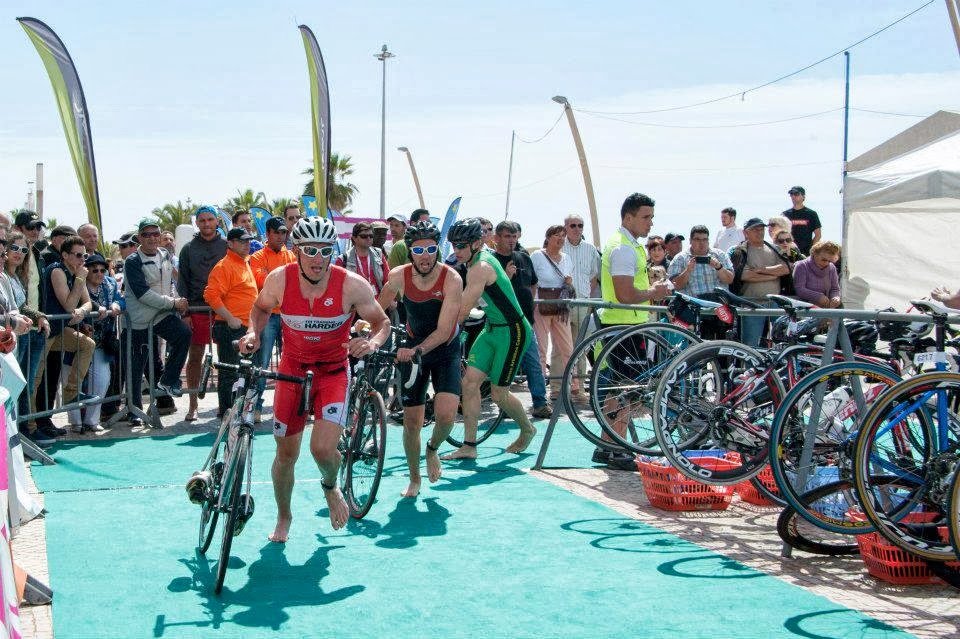
It is rare for an event or a race to go by where athletes will speak to us and say we have raced completely to the plan. In fact, most athletes can pinpoint when things deviated from the plan and why the race was curtailed. In this article, Coach Philip looks at how to manage and adapt to a change of circumstances with your response.
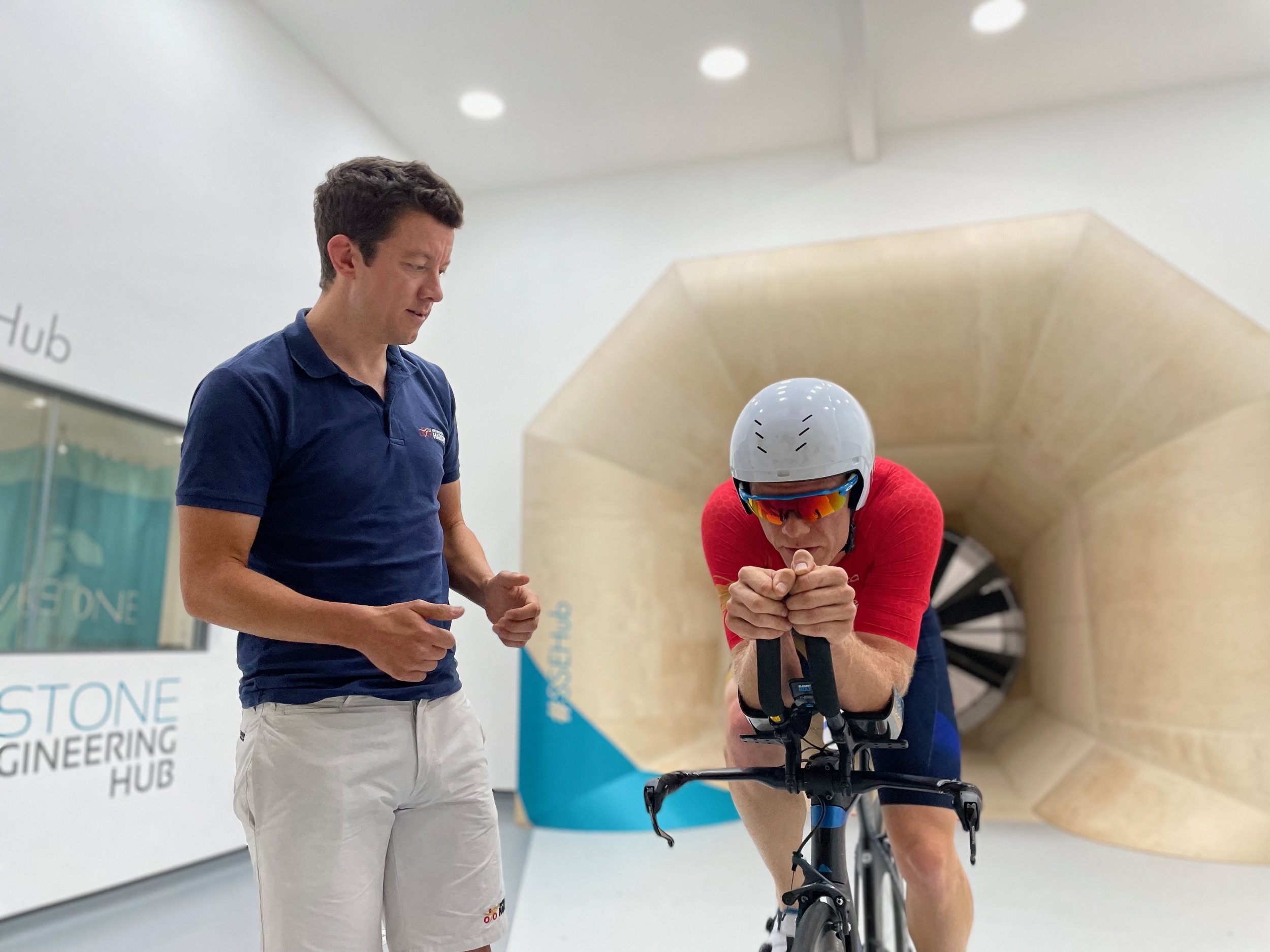
In this article, Coach Alan delves deeper into what a ‘good’ CdA is for a triathlete. In the last article, we explored the relationship between aerodynamics and power. Now we apply that to the context of triathlon.

In this latest article, Coach Philip explores how AI may change the face of coaching as we know it. Resisting the temptation to ask Chat GP to write the article for him, he explores this ever-prevalent and topical conversation area. How can artificial intelligence be used in order to help coaches deliver coaching?

Competition is an important part of any sport, and looking at the performance of other athletes can help to motivate and drive performance. Taking it too far and over-focusing on what others are doing can lead to stress and worry about one’s own training. In this blog, Coach Denise looks at the good and bad parts of a comparison and how to stay grounded with your own plans and training.

Planning what races to enter is a big, fun and exciting part of a triathlon. A common pitfall is getting carried away, entering lots of races, and planning to beast them all. In this blog, Coach Denise explores how to ensure you are best placed for success at your important races throughout the year.

In this latest article, Coach Philip reflects on some of his thoughts about coaching disappointment. When a race doesn't go to plan for an athlete, it can be fairly gutting for the coach. However, they need to bounce back quite quickly and help the athlete. How does a coach manage these emotions and thoughts?

As the Triathlon season in the UK ends, it’s time to think about your goals for 2023 and how you can best prepare for them. In this tongue-in-cheek article, Coach Denise looks at just how you can do this to maximum effect, maybe.

For this year's International Women's Day, Coach Philip spoke to some athletes about some of the female-specific barriers they may feel or people new to endurance sports like triathlon may think. As a male coach, he was less interested in the science behind the differences; there is plenty of air-time about that both in our female athlete section on our website and generally in research (though more is needed). Instead, he was more interested in practical solutions to what some women may consider deal-breakers for getting into this sport. Below he captures parts of the discussions.

To finish this series off, Coach Tim will look at the S&C scheduling or programming throughout the season, the art of putting it all together. He has already mentioned the critical training principles such as overload, progression and specificity. So what are the important components in strength & conditioning?
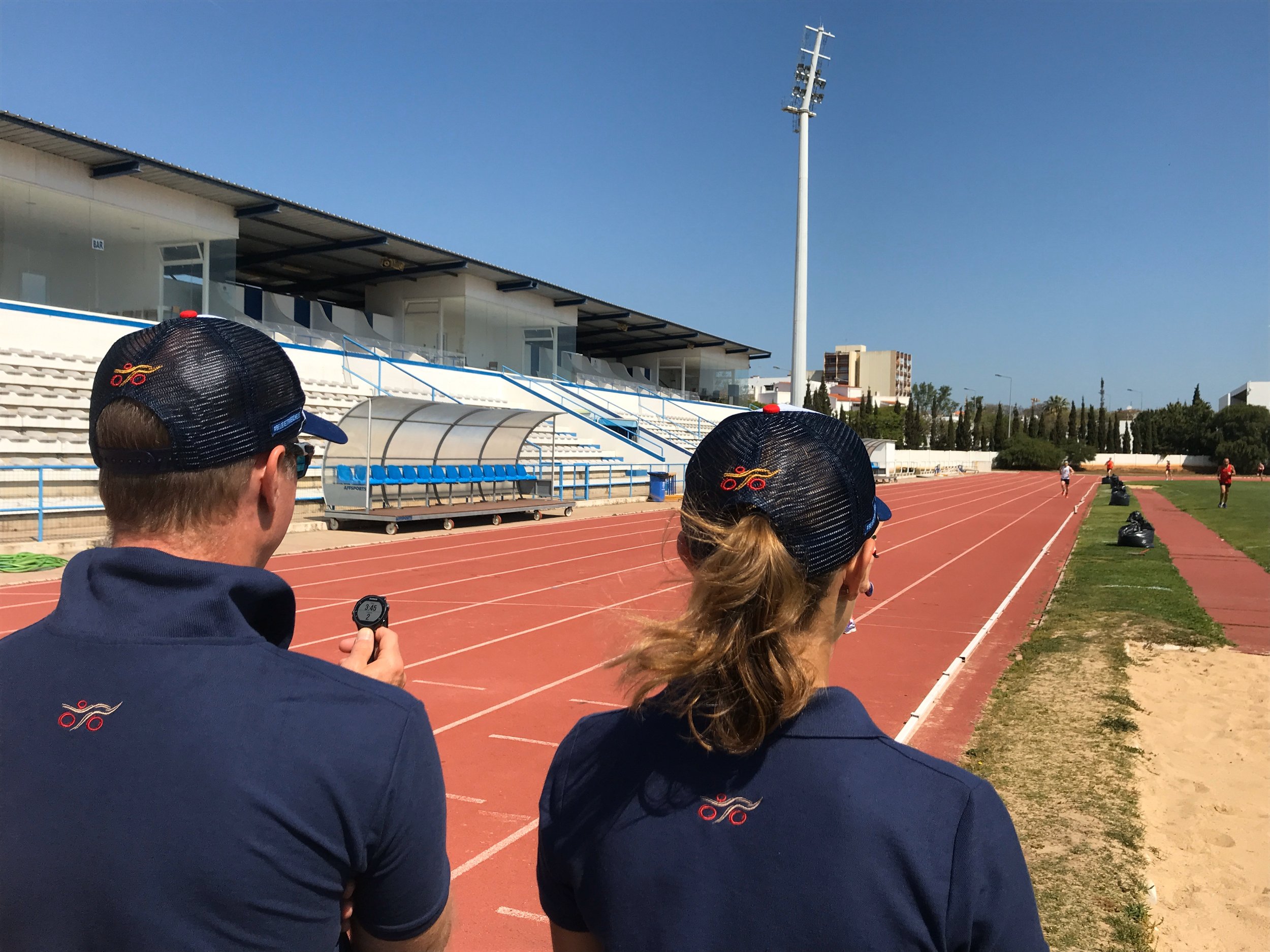
Often athletes come to us with a view that they must have a male or a female coach. Regularly, there are prejudices associated with that conclusion. In this article, Coach Diogo reflects on it from a coach’s viewpoint.

In this latest article, coach Kevin looks into metabolic testing. What is it, how do you do one, and what data can you get out? Furthermore, how can you utilise the information as an endurance athlete to better your training and racing approach?

Getting a coach at any point in your athletic career is a big deal. In triathlon, athletes can have access to coaches at an early point through the club system. New athletes are often reluctant to go to a club or coached sessions, fearful that they aren’t good enough or the stigma that coaching is for the “good athletes”. Coach Diogo looks specifically into how a coach will help a beginner athlete and how the very opposite is true.
Confidence on race day is not something that can be simply wished into existence; it is built over time by recognising genuine improvements in training and racing. By consistently seeing what they are capable of, athletes build a solid foundation of self-belief, known as self-efficacy, that they can rely on when it matters most. The key to unlocking genuine race-day confidence lies in evidence, experience, and focusing on process goals. This article explores a recent Podcast discussion with Coaches Philip and Diogo and summarises their conversation.