
Below is a list of all the resources we have on female athletes – if you want more, just be in touch, and our coaches can certainly cover that topic specifically as this is an area covered in our Professional Endurance Coaching Pathway. Use the arrows to see earlier articles, podcasts or videos.
Articles

Training through the menopause is often a confusing and difficult time. In this article, which was first published for the Castle Race Series, Coach Philip looks at the changes and how athletes can navigate them.
In earlier articles Coach Denise has looked at the impact of the menstrual cycle on the female athlete, and how to train effectively within the body’s natural rhythm. In this article, Coach Denise looks at the impact that perimenopause can have on the athlete, and how to continue to train effectively through this phase of your life.

People are generally better at identifying that social media highlights people’s best lives and often are able to understand that most of what they see online is what people are choosing to filter out to the public. However, how good are they at recognising the consequences of actions? How good are people’s memories? Coach Philip explores this in this latest article.

In the previous two blogs, Coach Denise has looked at the female monthly cycle in terms of hormone production and how these changes can then impact the individual throughout the month. These changes and impacts are relevant to a female athlete with no external hormone input, but what happens when an athlete uses hormone-based contraception? In this blog Coach Denise looks at how externally administered hormones can impact a female athlete.

In her previous blog Coach Denise looked at how the female body is affected by the monthly cycle and what chemical changes drive these impacts. In the second of this small series of blogs, Coach Denise looks at how an athlete can work with these changes and get the most out of their training for the long term.

For many years female athletes have been treated like small men. Fortunately, this has changed more recently with the introduction of better female-specific clothing and equipment. There is also a greater understanding of the impact of women’s monthly cycle on training and nutrition needs. In this small series of blogs, Coach Denise looks at the factors that impact female triathletes and how these can be used to advantage within a training plan.

For this year's International Women's Day, Coach Philip spoke to some athletes about some of the female-specific barriers they may feel or people new to endurance sports like triathlon may think. As a male coach, he was less interested in the science behind the differences; there is plenty of air-time about that both in our female athlete section on our website and generally in research (though more is needed). Instead, he was more interested in practical solutions to what some women may consider deal-breakers for getting into this sport. Below he captures parts of the discussions.
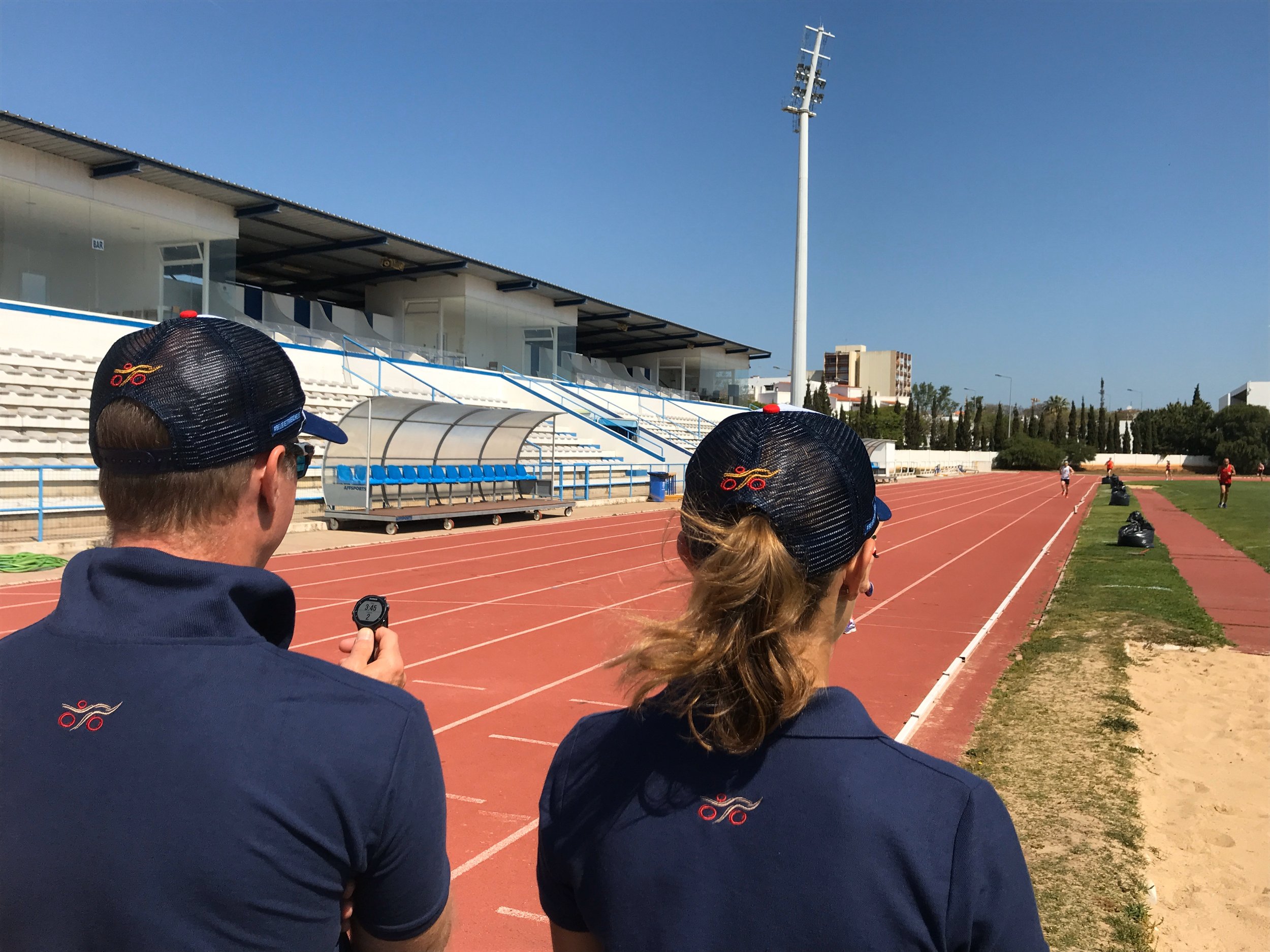
Often athletes come to us with a view that they must have a male or a female coach. Regularly, there are prejudices associated with that conclusion. In this article, Coach Diogo reflects on it from a coach’s viewpoint.

Here race team athlete Elaine Garvican discusses what pregnancy is like the second time around when juggling training, life, pregnancy and a toddler offer further levels of learning and experience.
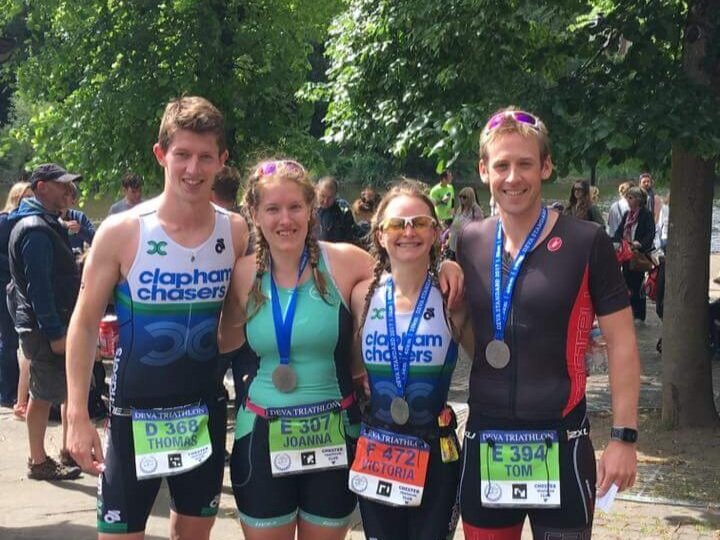
Coach Tim helps new athletes familiarise themselves with the new sport of triathlon and how to navigate the first few steps of taking it more seriously.

There is a lot of advice and guidance given to female athletes on what they should and shouldn’t do throughout pregnancy but where there is a less clear approach is post-natally, the road to recovery and a gradual return to training. The general rule of anything to do with pregnancy and postpartum training must be in line with what your medical practitioner says is safe for mother and child. However, the advice is not catered to the athlete and more the generic, everyday woman. In this article, we want to explore in more detail some considerations in getting back to your sport after pregnancy and returning, dare I say it, fitter, stronger and more determined. As you will learn, it is so much more than just the six-week check-up and then “back to sport as normal” approach.

As athletes get older, their bodies change internally and externally. Female athletes have more obvious internal changes than men, but even today, there is limited scientific knowledge in this area, and more research must be done. However, for now, what do we know happens to female athletes as they get older, and what does that mean for endurance sports?

In this blog Coach Alan looks at an area which has seen some of the highest media attention levels in the last 18months, from athlete conversations to the Training Peaks Endurance Coaching Summit (ECS): female athletes and how we should coach them.

Coach Alan discusses why it is so important to celebrate female athlete success to help increase the participation and inspiration in female endurance athletes.

Philip, you are someone who has built a reputation at working with high performing age-group female athletes, often taking them from competitors to real contenders and not just working with people who were already at the sharp end. We are delighted to ask you some questions.

A good place to start is the question that always arises regarding the nutritional needs of males versus females. When it comes to the nutrition needs of an athlete, it is more about body composition that will be the determining factor as opposed to the sex of the athlete. The two main keys to determining an athlete’s nutritional requirements is the athletes body fat percentage and the athletes goals/needs. Once you have some key answers to these questions you can begin to unravel the athlete specific requirements, then more importantly for the female athlete. Read on to find out more.

Here we explore the negative influence of the social media influencers on female endurance athletes. Read on to find out how images and new fads impact the athletic mindset of female athletes and review some best practices to take forwards in order to optimise performance.
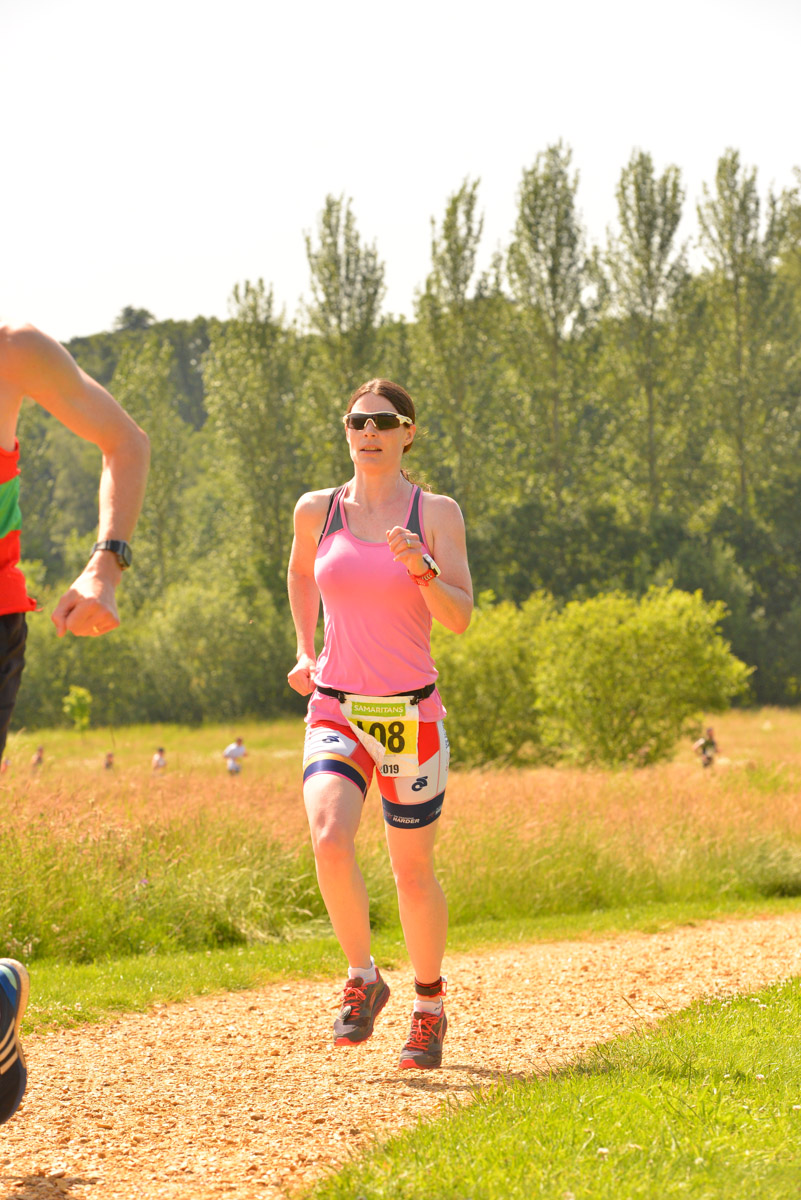
Team athlete Elaine Garvican recently gave birth to her first daughter after performing exceptionally well in Kona 2017 as one of the leading Age Groupers. Below she describes how she has adjusted to becoming a mother and fitting her athletic lifestyle in differently to 2017.
Podcasts

In our 50th episode, in celebration of International Women's Day, Coaches Denise and Rita bring together a panel of our female athletes who bring together a range of experiences and insight in racing and training. As a male or a female athlete, this will be a fascinating conversation.

In this episode, we talk to coached athlete Milly Pelmore. Milly worked with her coach Philip for about a year and is looking towards completing her first IRONMAN this summer. Milly has Endometriosis, which means she has to manage her training around her symptoms, and this episode looks at how she manages that, her work-life balance, and her training.
Milly has Endometriosis, which means that uterus cells and tissues are found outside the womb. Like the womb, the tissue will shed its lining during every menstrual cycle. Unlike the womb, where there is somewhere for the bleeding to escape, the blood has nowhere to go, often becomes scar tissue and can be excruciatingly painful at random times, not just when a woman is menstruating. This is relatively common yet can take a long time to be diagnosed. Milly has to manage her training around her symptoms, and this episode looks at how she manages that, her work-life balance, and her training.
Milly has an extraordinarily positive outlook on her situation, and her ability to pivot problems into opportunities is inspiring. Listen to this episode and learn more about Endometriosis and how you can take her skills and apply them to your own training or life problems.
If you, or someone you know, has Endometriosis or think that you do, please check out the charity page below, or speak to your doctor.
Instagram – @millypelmore
Facebook – https://www.facebook.com/milly.taylor.77
Twitter – @millypelmore
Find out more about endometriosis and the impact it can have:
UK charity: https://www.endometriosis-uk.org/
A recent piece 220 Triathlon did on an end triathlete: https://www.220triathlon.com/training/women/exercising-with-endometriosis-a-triathletes-story/
A 2021 BBC piece on Endometriosis and sport: https://www.bbc.co.uk/sport/56276626#:~:text=When%20endometriosis%2C%20a%20condition%20that,on%20her%20life%20and%20career

In his episode, we meet Coach Sorrel Williams: a passionate and extroverted coach that tells us her story of how she changed her past from generally not a sportsperson to become a Triathlon Coach and a full-distance triathlon finisher. Sorrel never had any background in sports and didn’t even know how to swim when she started, but that didn’t stop her from changing the direction of her life. Her can-do attitude and positive outlook on life are infectious. As one of our senior coaches, there are always nuggets of information that she can impart from her work with the Academy juniors to her work in other areas of triathlon and coaching. Tune in and have a listen.

In this episode, we chat to Coach Soraya. Soraya is enthusiastic with a huge passion for the sport. She came to Triathlon coaching after some time working as a PT. For our coached athletes, she’s famous for her Strength and Conditioning workouts and if you met her on one of our camps, you will know her for her big smile and positive outlook on the steepest of climbs! Today, we find out more about her as the coach and the athlete.
If you want to read more about Soraya, check her profile here. This year, Soraya moved from the UK to New York where she has to face a totally different experience in triathlon and huge challenges and is now our US-based coach and representative.

Triathlon is often modelled as the perfect sport for gender equality. But is it? In this episode, Coach Philip and Coach Alan, alongside Dr Lisa Ingarfield and the recent BBC Sports Personality of the Year, Unsung Hero (London) winner Katee Hui, discuss the gender balance in endurance sport. Should we put triathlon on that pedestal? Or should we look for further opportunities to improve? What is the fight between Women and Men equity in endurance sports? How do the cultural differences in our society impact sports, what can other sports learn from triathlon and what can endurance sports learn from them?
Enjoy this challenging episode where we expose some raw truths and make a step towards levelling up the balance of women in the sport.

On today’s episode of Coaches on the Couch, Coach Philip has guest speakers: Susie Cheetham, Angela Jameson and Emma Hatzis. The aim of this conversation was to educate and empower pregnant and postpartum female athletes in an informed manner while attempting to clarify and dispel any myths or misunderstandings around pregnancy and endurance sport. In this honest, transparent and enlightening episode, we cover a whole range of experiences and lessons that these three experts want to share with you.
Susie Cheetham is a GB runner turned professional triathlete: Course record holder at IRONMAN Hamburg, a frequent contender on Alii drive with 6th places at the World Championships. Both Susie and her husband Rob are coaches themselves. Susie is expecting her first child shortly!
Angela Jameson runs Physically Fit UK. Angela is overly qualified: after a degree in sports science, she turned her hand as a physical trainer and pilates instructor where she is a leading expert on pre and postnatal pilates, health and well being. Her brother-in-law is ex-professional triathlete Joel Jameson and so she understands the sport of triathlon.
Emma Hatzis is a top age-group triathlete, after being the fastest AG at Staffordshire 70.3 in 2018 and the overall winner at IMUK in 2019, she competed at her first World Championships in 2019. She also has been dragged into this episode as she has the pleasure of being coach Philip's wife! They are expecting in early January.

Heather is one of our coached athletes who after doing a wide variety of different sports when she was young, ended up falling in love with triathlon. In this episode, Heather shares with us how she managed her expectations for her first full IRONMAN race and how her mindset helped her recover from a stress fracture. Now, focusing more on cycling, she tells us her story.

Harriet is the longest-standing coached athlete in Tri Training Harder. In this episode, she tells us how she conquered her terror of swimming and her journey from a Black Belt athlete in Kickboxing to race the IRONMAN 70.3 World Championships. A fascinating, relatable insight into overcoming fears and organising a daily routine of training around work and general life.
Videos
Use the icon on the top right of the video screen above to see all the video options, or check out the playlist in youtube.
Every woman knows that their period has an inconvenient habit of showing up when it is least wanted. Training can be adapted to suit the menstrual cycle but race day can’t be changed. In this blog Coach Denise looks at how athletes can manage to race around their periods.