

Below is a list of all the resources on Psychology. Use the arrows to see earlier articles, podcasts or videos.
Articles
Many people have mantras, either for how they live their lives, or relating to how they turn up and train. In this small series, Coach Denise looks at the mantras which have meaning to her personally, and shares how they help her with both life and training.
Mantras – what do they really mean and how can they help?
Many people have mantras, either for how they live their lives, or relating to how they
turn up and train. In this small series, Coach Denise looks at the mantras which have
meaning to her personally, and shares how they help her with both life and training.

Many people have mantras, either for how they live their lives, or relating to how they turn up and train. In this small series, Coach Denise looks at the mantras which have meaning to her personally, and shares how they help her with both life and training.

In this latest article, Coach Philip looks at some common ways that athletes fail to reflect appropriately and lose an excellent opportunity to learn, grow and evolve between seasons. Have a read at how you can ensure you don’t make the same mistakes and build on each season.

People are generally better at identifying that social media highlights people’s best lives and often are able to understand that most of what they see online is what people are choosing to filter out to the public. However, how good are they at recognising the consequences of actions? How good are people’s memories? Coach Philip explores this in this latest article.
It is rare for an event or a race to go by where athletes will speak to us and say we have raced completely to the plan. In fact, most athletes can pinpoint when things deviated from the plan and why the race was curtailed. In this article, Coach Philip looks at how to manage and adapt to a change of circumstances with your response.

In this blog Coach Denise looks at how we talk to ourselves and what impact that could be having. Learning to be a little bit kinder to ourselves can have positive impacts on all aspects of our lives.

Often athletes express concern about descending fast, and we regularly have conversations at our training camps with athletes about their fear of descending. This article explores where that fear comes from and how to overcome it.
In this article, coach Philip looks at our ability to "dig deep" and how we can nurture it and become better and what many people call "mental toughness" as he explores why some people find it hard to push themselves in a race.

In this article, coach Kevin reflects on an athlete conversation he had during a group workout. He asked a simple, but very deep question. “What are your four key training principles?” Read on to hear the athletes’ answers.

In this blog, Coach Jon looks at making injury prevention a permanent part of our daily routine.

In this article Coach Alan writes about the age group athlete journey and how a little bit of perspective can help with performance, longevity and enjoyment of the sport of triathlon.

As we have seen in many of our recent blogs, improving triathlon performance is not wholly dependent on physical improvements. Here coach Jon looks at meditation as a way of training our mindset to help our athletic performance. Can meditation be useful for endurance athletes?

Where does emotional intelligence fit in sport? What does it take to really excel in the world of sport? The ability to deliver your best when it matters the most is a fundamental part of performing under pressure. Can this ability be taught, learned and developed? Coach Tim explores.
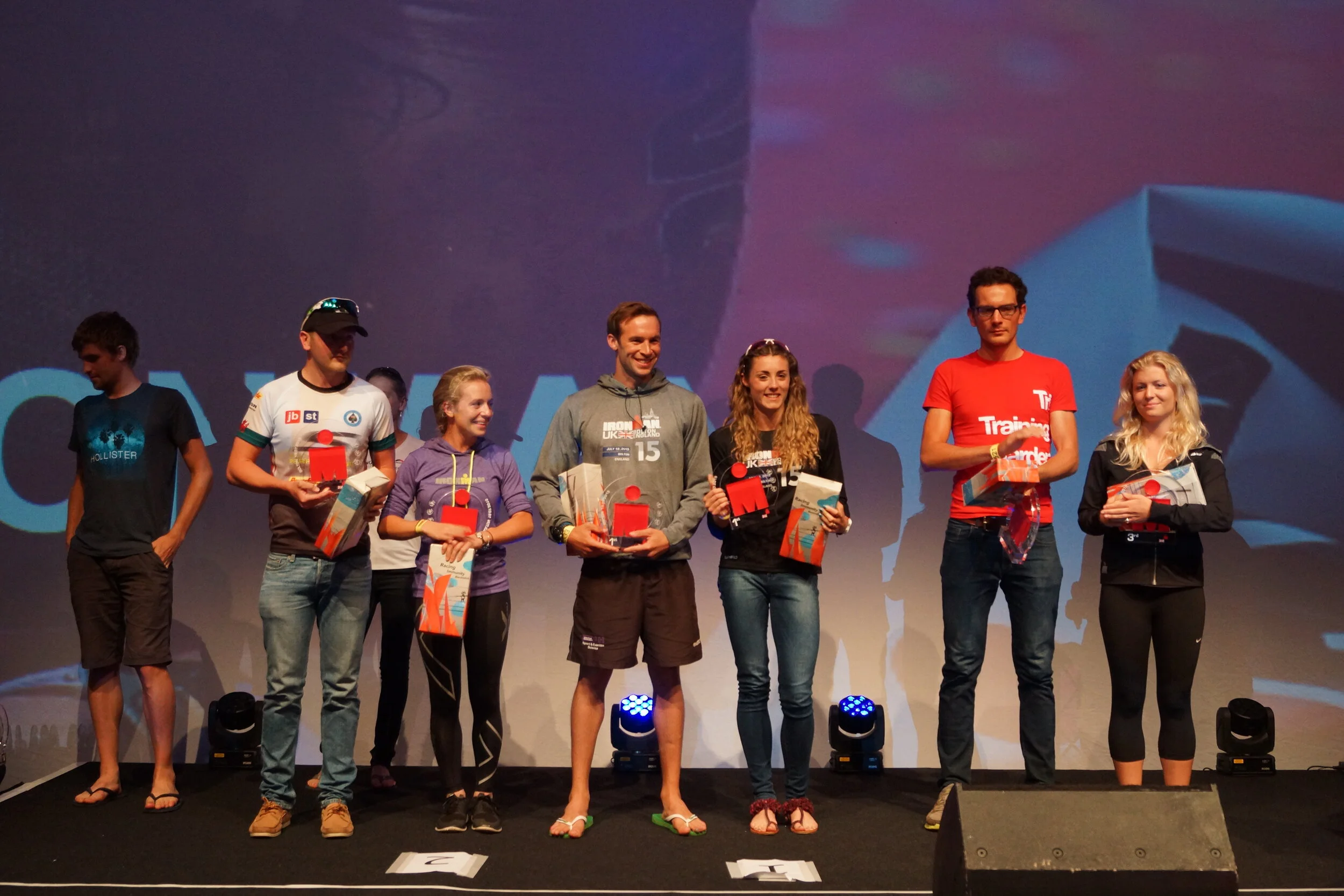
Here Coach Philip looks at the psychological makeup of endurance athletes and goes under the hood to find out what makes higher performers successful. Often athletes talk about mental toughness and the ability to “griz” it out. Though these are both admirable qualities, are they actually the main focus, or is there more to it than a tolerance or enjoyment of self-inflicted endurance?

Things look like they are returning to a sense of normality. How can you bounce back higher than before when you don’t know what you are bouncing from or to? Coach Tim explores.

We know hiring a coach to work with you on your triathlon journey can help boost your triathlon performance. However, in this blog, Coach Jon looks into how a successful coaching relationship can give you benefits well beyond pure performance gains.

The year 2020 will go down in many athletes logs as the year that never was, but why should it? We can all think about being able to pull a positive from a negative, and as we slowly get closer to a “normal” training regime again, how should we be planning for the future? What do we do with our previous goals, aspirations and hopes for what could have been in 2020?
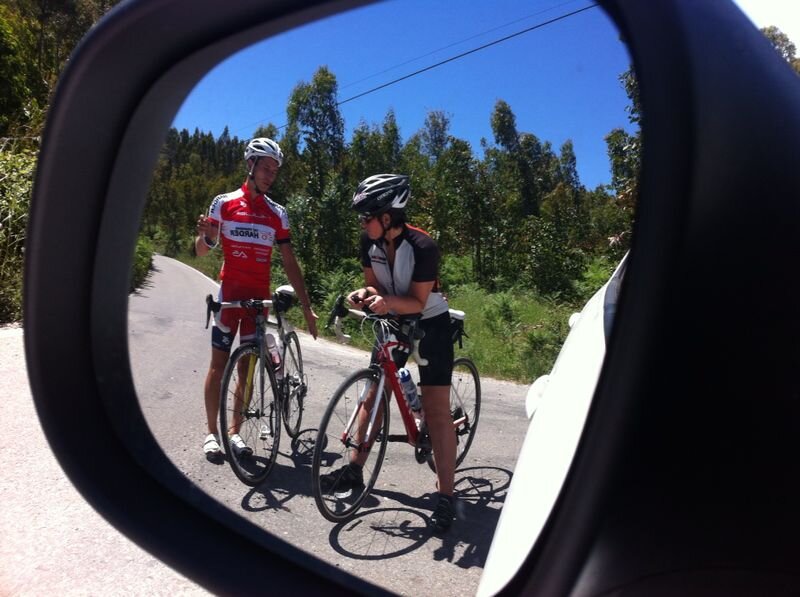
As coaches, we often focus on what motivates an athlete. Indeed, one of our primary roles is to help an athlete stay on track with their goals and keep their motivation high. Here though we ask the question: What motivates our coaches. The insight is illuminating, varied and honest. Read on to find out more.
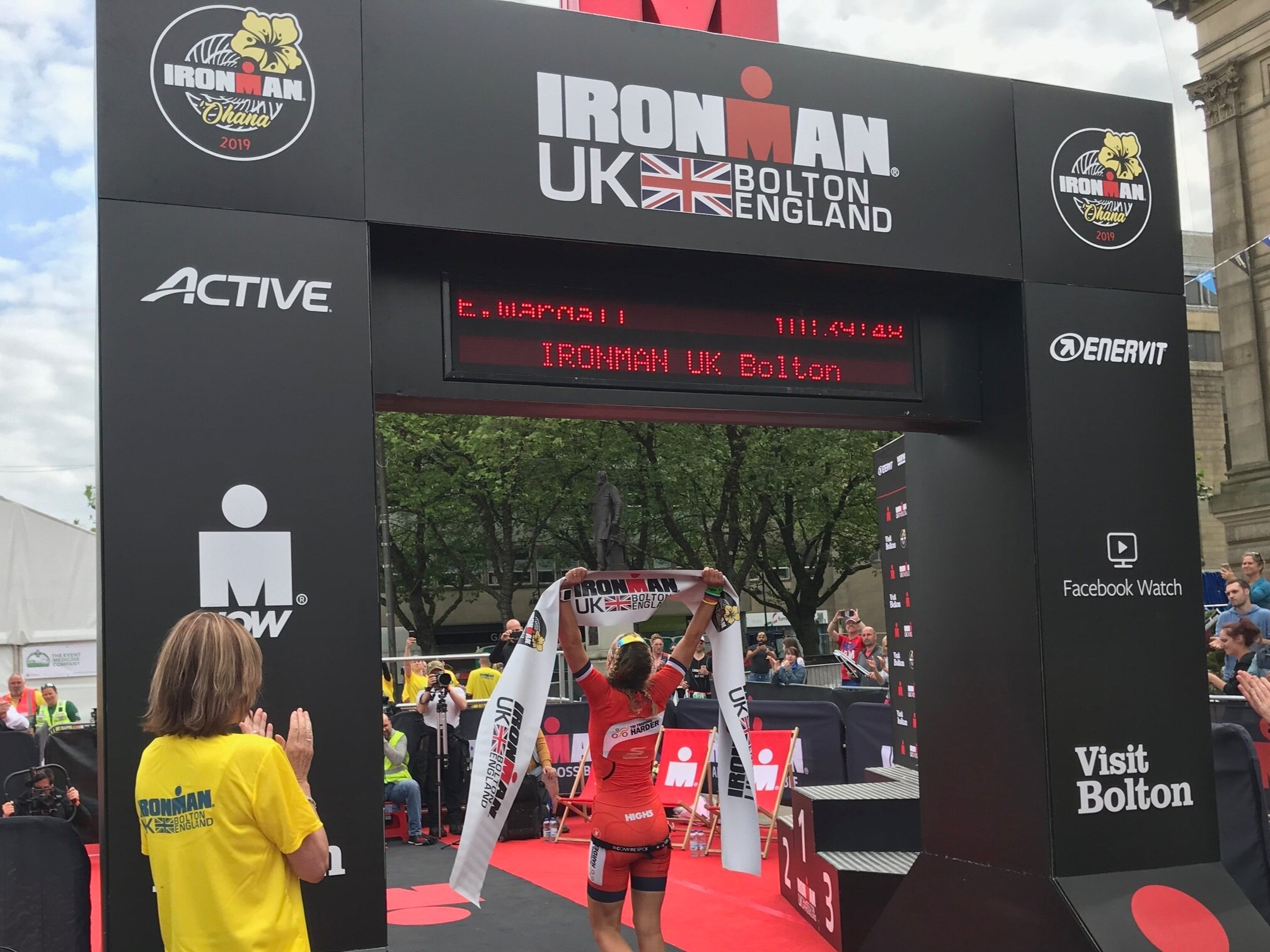
In this article Coach Alan looks into some theories around motivation and looks into what athletes may learn about themselves during this lockdown period.

Here Coach Philip discusses how viewing lockdowns, limits on training stresses and intensities as control sense is only going to lead to pushing back against the rules and trying to do what you have always done. Instead, view these new boundaries as a challenge and an opportunity, and suddenly, you can see that you are learning and developing far quicker as an athlete than ever before. Yes, there is a change in the landscape; yes, there is a change in the rules; yes, there is a change in the attitude we need to adopt. However, there is no reason to change the approach of deliberate and diligent practice seeking better versions of ourselves.
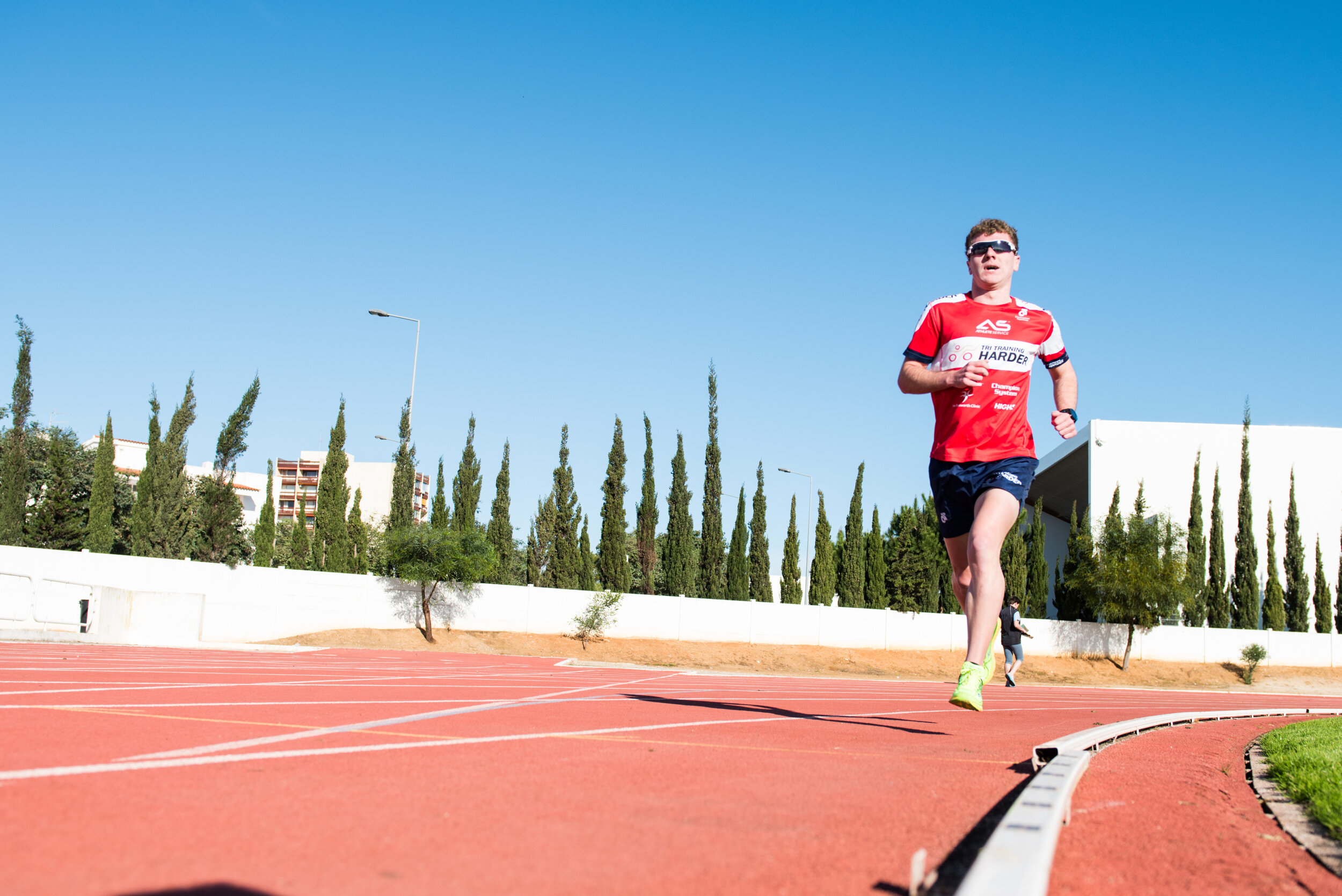
COVID-19 is out there doing its thing and for many Sports-People it feels as though it is stopping us doing our thing. Read on to find out how to manage this period of unknown as our performance psychologist Mark Bellamy provides us with some pearls of wisdom.

Open water swimming can be a big limiter for a lot of people’s enjoyment of triathlon. However, it really doesn’t need to be. With more and more open water events becoming inclusive and the accessibility of open water swimming venues, Coach Soraya gives you some top tips to overcome any anxiety you may have and how to learn to love the open water environment.
This article is taking with permission from alexischristoudlou.com where Alexis Christdoulou writes to help empower growth mindset and tapping into the performance we all have.

Why you do something is more important than what you are doing. By being truly honest about why you are racing, may mean you unlock some hidden potential.

Racing a triathlon is tough. Yes, there are countless sayings: "winter miles, summer smiles", "train hard, race easy”, etc. etc. However, that isn’t really why we race, that describes why we train. We race for a variety of different reasons, some very personal to ourselves. This article helps you define what question you are asking yourself by racing and helps you get ready to answer it.

Over-training is a term brandished around athletes all the time and occasionally it is assumed injury is the inevitable outcome but can you be sure over-training was the cause of an injury? Could your nutrition be the reason you had an injury? Is training tired normal and something you just need to deal with? Read on to find out more.
Tim has been a coached athlete with Tri Training Harder for 12 months and has been working on his psychology and focus during a race - his most recent race at Outlaw Half demonstrates what a positive difference psychology can make to your racing. Here Tim recounts his race preparation and the race itself, reflecting on what went well and what could be improved for the future.
Psychology and performance, especially in sport go hand in hand [Check out this blog hereabout how we work alongside psychologists for the very best for the athletes in sport and life]. Here Sorrel talks about some great tips and ideas to implement in your sporting toolkit.
Podcast

In this episode our guest is one of our coached athletes. David Maia, is a coached athlete who suffered a bike crash last August that put him in coma for one month.
David shares with us how his recovery was from learning how to walk again to the start line of a Triathlon race in this past month of March.
His will power and resilience allowed him to have a fantastic recovery that not only gives him the chance to live a normal life but to keep doing what he loves the most, Triathlon.

In this episode we get to know Isabel Tew, a positive and energetic person who talks to us about the benefits of learning and applying breathing techniques not just throughout our day but also for focussing through workouts and racing.
Isabel has a Yoga background and has been studying about meditation and breathing techniques in order to help people build their self-awareness and take in what is around them.
Videos
Use the icon on the top right of the video screen above to see all the video options, or check out the playlist in youtube.
Confidence on race day is not something that can be simply wished into existence; it is built over time by recognising genuine improvements in training and racing. By consistently seeing what they are capable of, athletes build a solid foundation of self-belief, known as self-efficacy, that they can rely on when it matters most. The key to unlocking genuine race-day confidence lies in evidence, experience, and focusing on process goals. This article explores a recent Podcast discussion with Coaches Philip and Diogo and summarises their conversation.