
Below is a list of all the resources we have on nutrition and hydration. Use the arrows to see earlier articles, podcasts or videos.
Articles
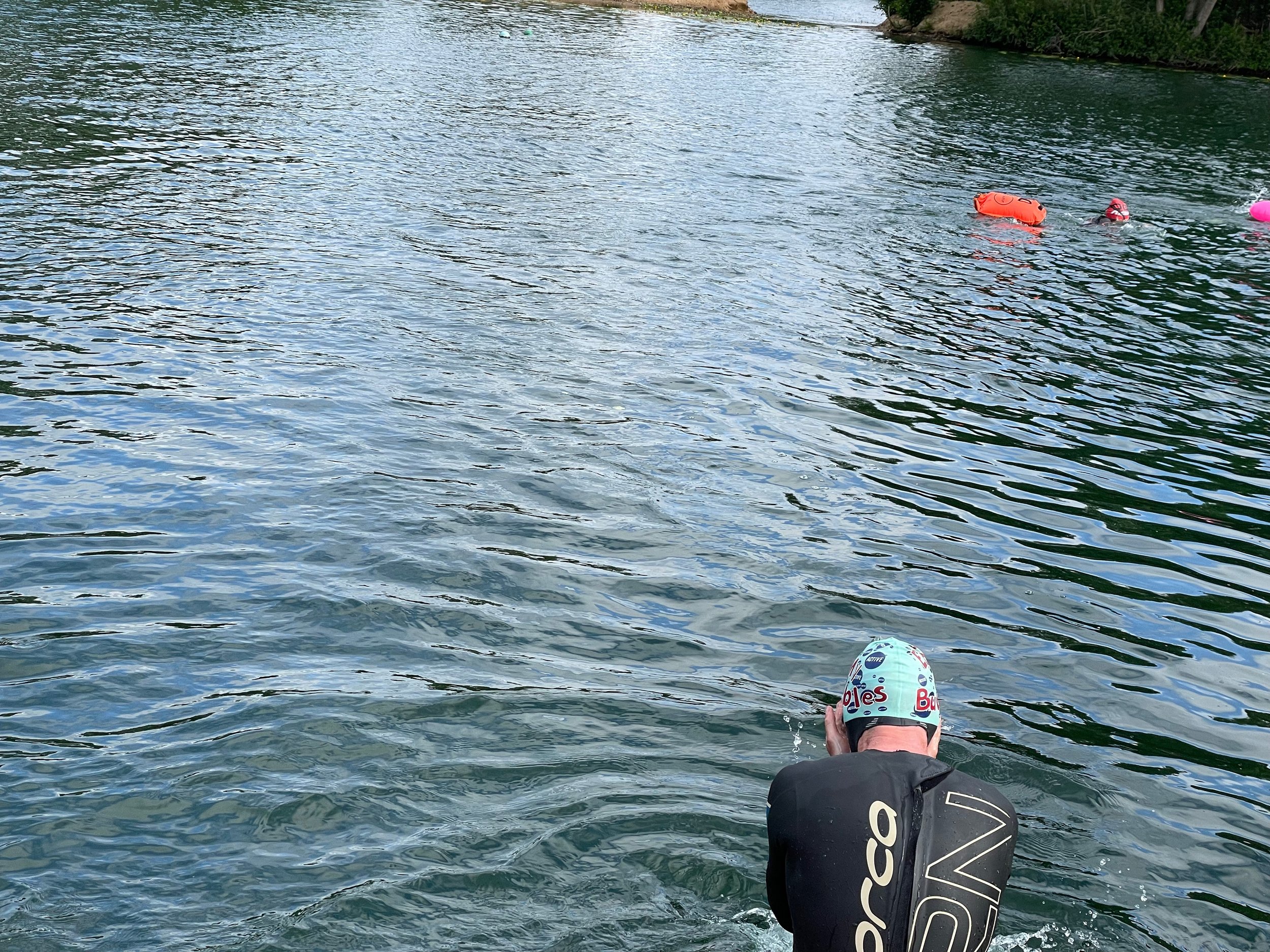
As we seem to have had two back-to-back washout weekends for British racing, coach Philip discusses how to prepare to race in the rain in this latest article.
“You shouldn’t practice anything new on race day.” This age-old piece of advice is especially true for nutrition and fuelling strategies. Nevertheless, it is something athletes seem to neglect when it comes to fuelling. In this article, Coach Philip explores how to practice your fuelling strategy for race day.

After two years of asking athletes to track their energy availability, Coach Philip discusses his learning observations below.

In this latest article, coach Philip explains why knowing your sodium loss from sweat is critical for endurance athletes. Read on to find out why sodium losses should be measured if you are doing a race that needs a nutrition strategy.

A strong foundation of a healthy diet is a great starting point, but when training, it is crucial to ensure that energy used is replaced in a form which is readily accessible. Coach Denise looks at how much fuel is needed, in what form, and some other reasons to train your fuelling strategy well before race day.

In this two-part blog, Coach Jon Reilly investigates sweat testing: what is it, how does it work and do you need to do it? The first part looks at fluid loss, and the second one at sodium loss. Let’s find out more.
In this two-part blog, Coach Jon Reilly investigates sweat testing: what is it, how does it work and do you need to do it? The first part looks at fluid loss, and the second one at sodium loss. Let’s find out more.

In this final of three articles, Coach Kevin looks at reintroducing carbohydrates after becoming ‘fat'-adapted’ through a low-carb, high-fat diet. This is pertinent to those who are working in a low-carb environment but want to perform. Carbohydrate periodisation is all about timing your intake to facilitate bouts of higher intensity training or racing. Read on to find out more.

In this blog, Coach Alan writes about why body composition is far more important to athletic performance than weight.

In this article, Coach Alan rights a piece that provides a generalist approach to nutrition to help provide a spectrum based perspective on how to approach nutrition for performance and, even more importantly, health.

Coach Kevin recently wrote an article comparing high carbohydrate to high fat (or ketogenic diets). Hopefully, by the end, you had a better idea of whether you should stick with the norm (high carb), or consider trying out a high-fat option. This article is for those who are thinking about giving keto a go – Kevin will explain the potential benefits, downsides, and how to do it right from an athlete’s perspective using both his experiences and science.

In this article, we look at Energy Availability and get under the hood of what makes us healthy and what makes us strong. Performance correlates with consistency in training, so avoiding skipped training sessions through illness or injury is critical to success. How can we use Energy Availability and an understanding of our body’s needs to enable better performances and body compositions?

Coach Kevin looks into the somewhat controversial topic of carbohydrates versus fat as a performance nutritional strategy. Kevin looks objectively into the science and information out there as well as bringing in some of his own personal experiences. The information may surprise you!

Here coach Philip discusses why he wants to see a relaxation in his athletes before they restart the next season. Training continually is stressful; if you don't recover adequately from it, how will you be ready for the next season?

Coach Will takes a look at an important part of the new style racing and one that most triathletes have sat at the top of their concerns: how can I eat! He discusses aid station format and some thoughts about balancing speed and nutrition to ensure the best possible results. This will be an ongoing area to optimise.
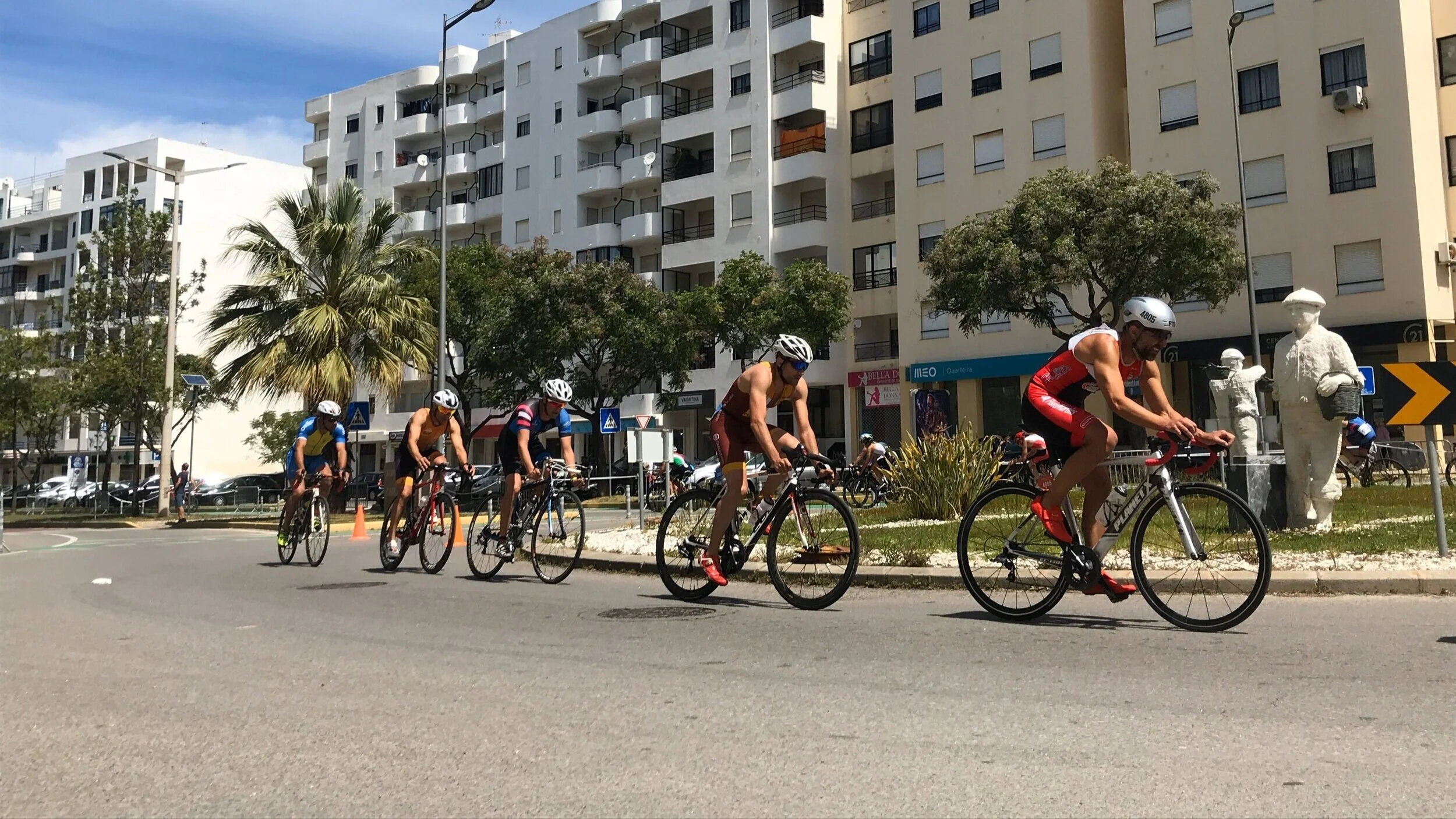
For Long course athletes, nutrition is the 4th discipline, but as you race shorter, the focus is more towards transitions. Nevertheless, as always, nutrition can make or break your event plans. What are the common mistakes that can be easily fixed by short course athletes?

Racing, training and that fancy new bike all cost money. Furthermore, we are instructed to ensure we practice our nutrition strategy to ensure we don’t miss out on an ability to utilise more energy and improve our gut tolerance. How can we do that without spending a fortune on expensive products?

We have had our share of hot days during our summer of lockdown in 2020 and hopefully, we can return to racing in exotic climes of our choosing in the future. When training or racing in the heat how much attention have you paid to your hydration? In this article coach Jon takes a look at some key things you can do to stay hydrated when the temperature starts to rise.

In last week’s article Coach Jon discussed hydration strategies to keep you hydrated in the heat. This week, Jon takes a look at how to plan your hydration for your next IRONMAN event.

Athletes often schedule their training, their races, their training holidays…well, pretty much every aspect of their life. However, all too often they forget to schedule their nutrition with their training. Here coach Diogo makes the point that now is the best time ever to ensure you have a sound understanding and knowledge to set up your pre and post-session routine. Also, hear about our #tricookingharder social media fun!

A good place to start is the question that always arises regarding the nutritional needs of males versus females. When it comes to the nutrition needs of an athlete, it is more about body composition that will be the determining factor as opposed to the sex of the athlete. The two main keys to determining an athlete’s nutritional requirements is the athletes body fat percentage and the athletes goals/needs. Once you have some key answers to these questions you can begin to unravel the athlete specific requirements, then more importantly for the female athlete. Read on to find out more.
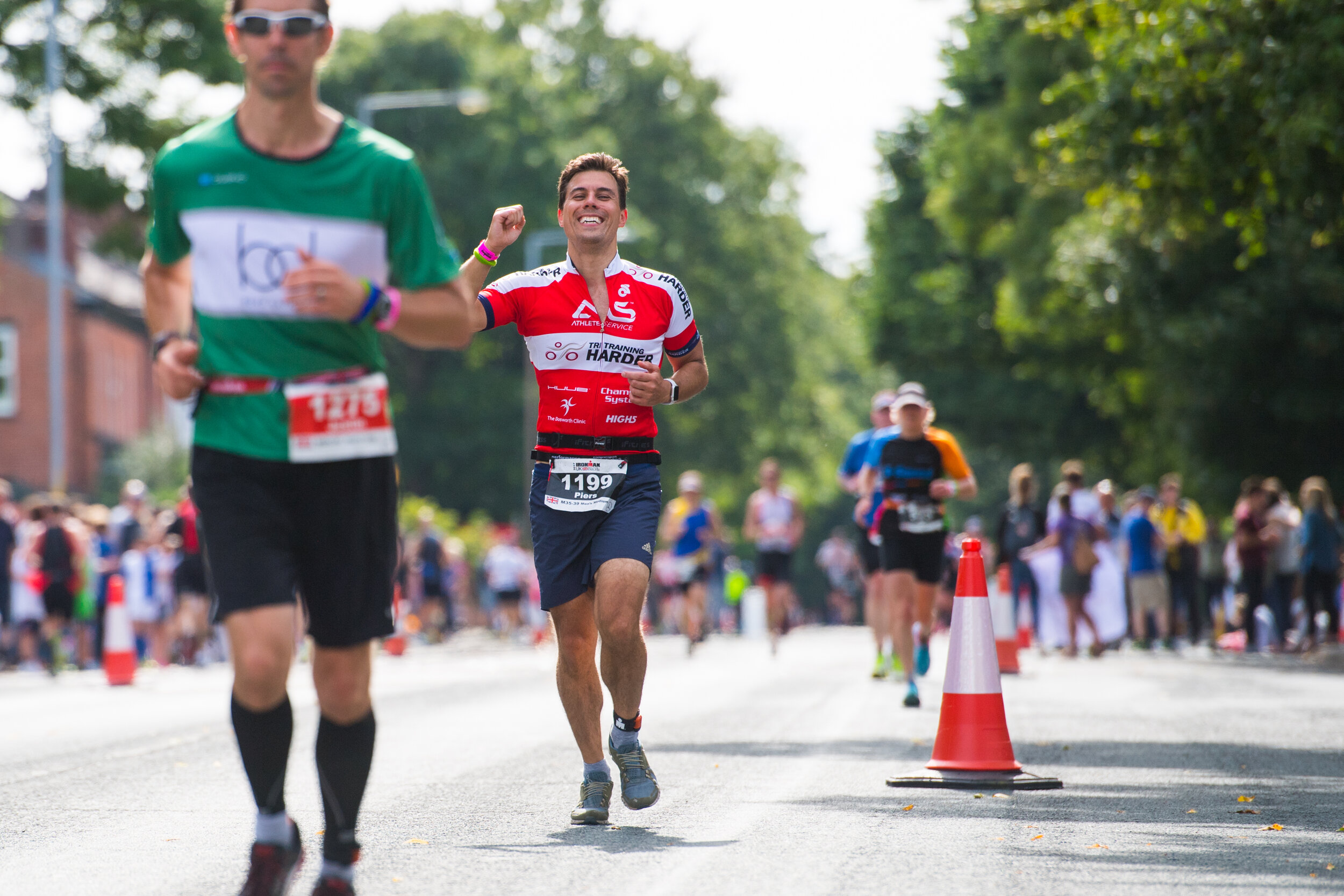
There will have been hours in the pool, on the bike and in your running trainers leading up to this moment - race day. Getting nutrition right in races can be make or break; it needs to be planned and practiced. In this blog I discuss nutritional needs whilst racing, however there is no one set way to do this Everyone has their favourite tasting gel or energy drink, some people get hungry and want solid food others want to stick to liquids throughout. This blog is to help you work out your requirements and what works for you.

It is common for triathletes to be very focused on race day nutrition but to overlook their everyday training diet. It is getting the most out of every training session that will get results on race day, so the training diet is very important. Read on to find out more about the basic diet and how to set yourself up for success.

How many times you did something just because a friend of yours told you to do so? How many times did you fail to research if what you were doing was really effective and not just a placebo? Recovery myths are all over the place and in triathlon there are no exceptions. Read on to hear how coach Diogo reviews some of the common forms of recovery.

Being injured is extremely frustrating. Not only does it stop you from doing what you love but also sets you back in your training. Knowing what to do nutritionally in the initial period can limit recovery time and influence the quality of repair. Here, Helen Money helps guide you on how to ensure a quick return to the sporting arena from a nutritional point of view.

Dr. Ollie Stoten, one of our excellent ultra distance running athletes and a polar explorer with a very keen medical mind turns his attention to that last hour before your race. Ollie offers a humorous, yet informative insight into your bodily functions in the last few minutes before you race; answering that all important question: "Why is the toilet queue so long before race start and why do I always need to go?"
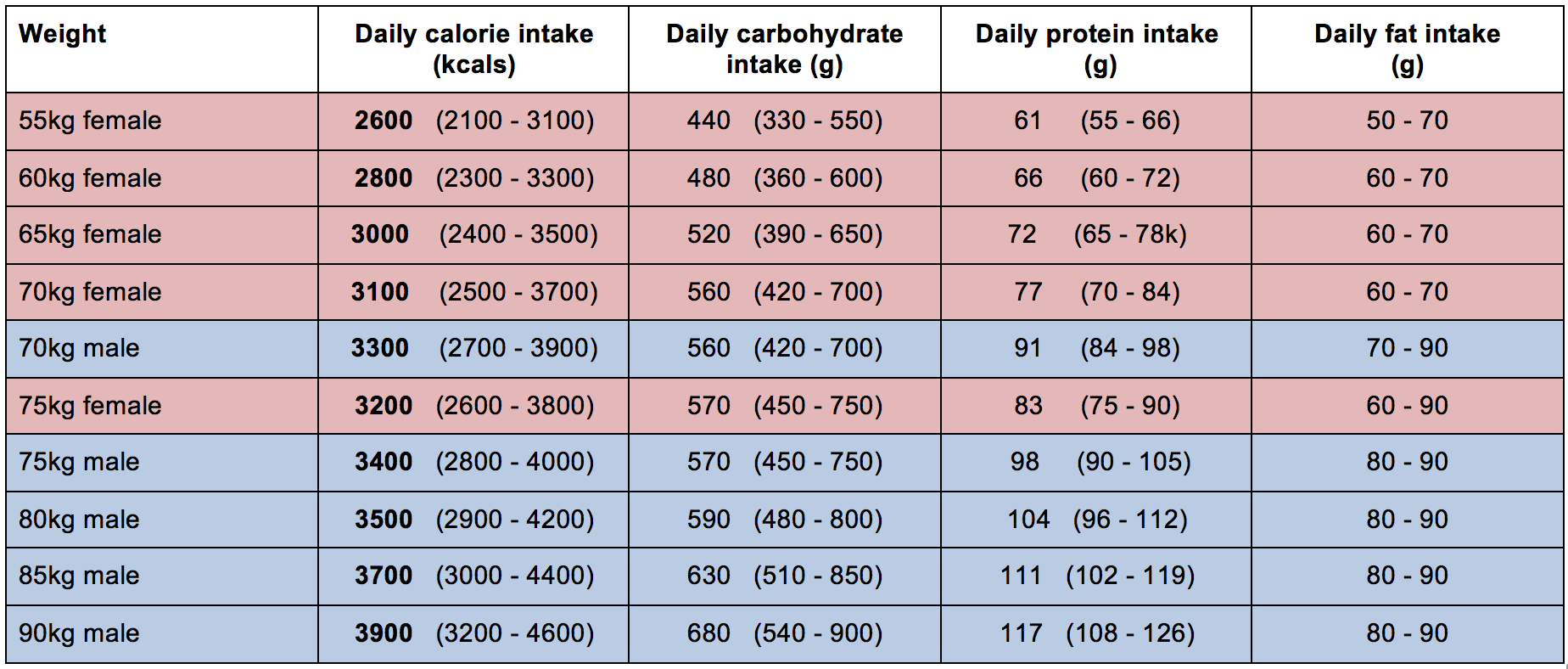
Helen Money of The Bosworth Clinic has provided a great general rough guideline of what you should be eating and how much. This is a general guideline and as always, if you are unsure it is best to get the professional help of someone like Helen! Here we recommend you look at tracking what you are eating and reflect at the end of a week and see if there are areas you can improve. You can track using an app like myfitnesspal which links straight into your Training Peaks account! Nutrition is never a stationary goal post, it changes with the season and your training load or cycle. So it is always worth reviewing how you are doing with it. Read below to see where you sit and if you are unsure, chat with your coach to get more advice.

As we get to the holiday season, we look towards the general free-flowing of alcohol that goes with it. Helen Money of The Bosworth Clinic talks to us about just how alcohol can impair our training. Drinking in moderation can have its benefits, though the Christmas indulgence over a prolonged period will have it's negative impact on training; a one of session with the family may be part of your holiday season rituals. Don't let your alcoholic tolerance get in the way of enjoying yourself with the family but be mindful of when too much can show its detrimental effects!

Our partnered Nutritionist, Helen Money, from The Bosworth Clinic talks to us about Christmas day and just what this means in more digestible format than calories: triathlons. We also consider just how good (or bad) Christmas can be to triathletes. There is no point in getting bogged down in this one-off feast, as some people can do – have fun and enjoy yourself, in our experience you should be more concerned by the after dinner games, charades and overly-competitive family cardboard box games than how much you eat on Christmas Day!
Podcast

In this episode, Coach Philip talks with Simon Roche, who recently completed the Marathon des Sables. The MdS, as it is affectionately known, is labelled as the toughest foot race on earth, and Simon came in the top 50, amongst the elite runners and was proudly the 8th Brit across the line. Simon's Coach, Trevor, also joins the conversation and the pair talk about the preparation needed for such an event, how they managed setbacks and the extreme level of trust in the process that they both focussed in. There are lessons here for all athletes of any ability to take forwards and realise that you don't have to start by being one of the best in the world, you have to trust the process and slowly chip away at getting better, and you will travel very far. It was also fascinating to hear how much preparation and specific training played pivotal roles in success. If planning is a big part of success, then this experience certainly added to it, and there are direct associations that all of you can apply to your racing and everyday life. We hope you enjoy hearing about this race in the desert!
Instagram – MrRocherun (@rocherun) • Instagram photos and videos
Website – Simon Roche is fundraising for The Gatehouse (justgiving.com)
Videos
Use the icon on the top right of the video screen above to see all the video options, or check out the playlist in youtube.
Every year, nutrition and its strategies take centre stage in our conversations with athletes. It's a subject that sparks genuine curiosity and interest. Yet, the challenge lies in translating this knowledge into effective race strategies. Coach Philip delves into some common pitfalls in nutrition strategy, emphasising the potential for significant performance improvements.