

Below is a list of all the resources we have on racing.
Articles
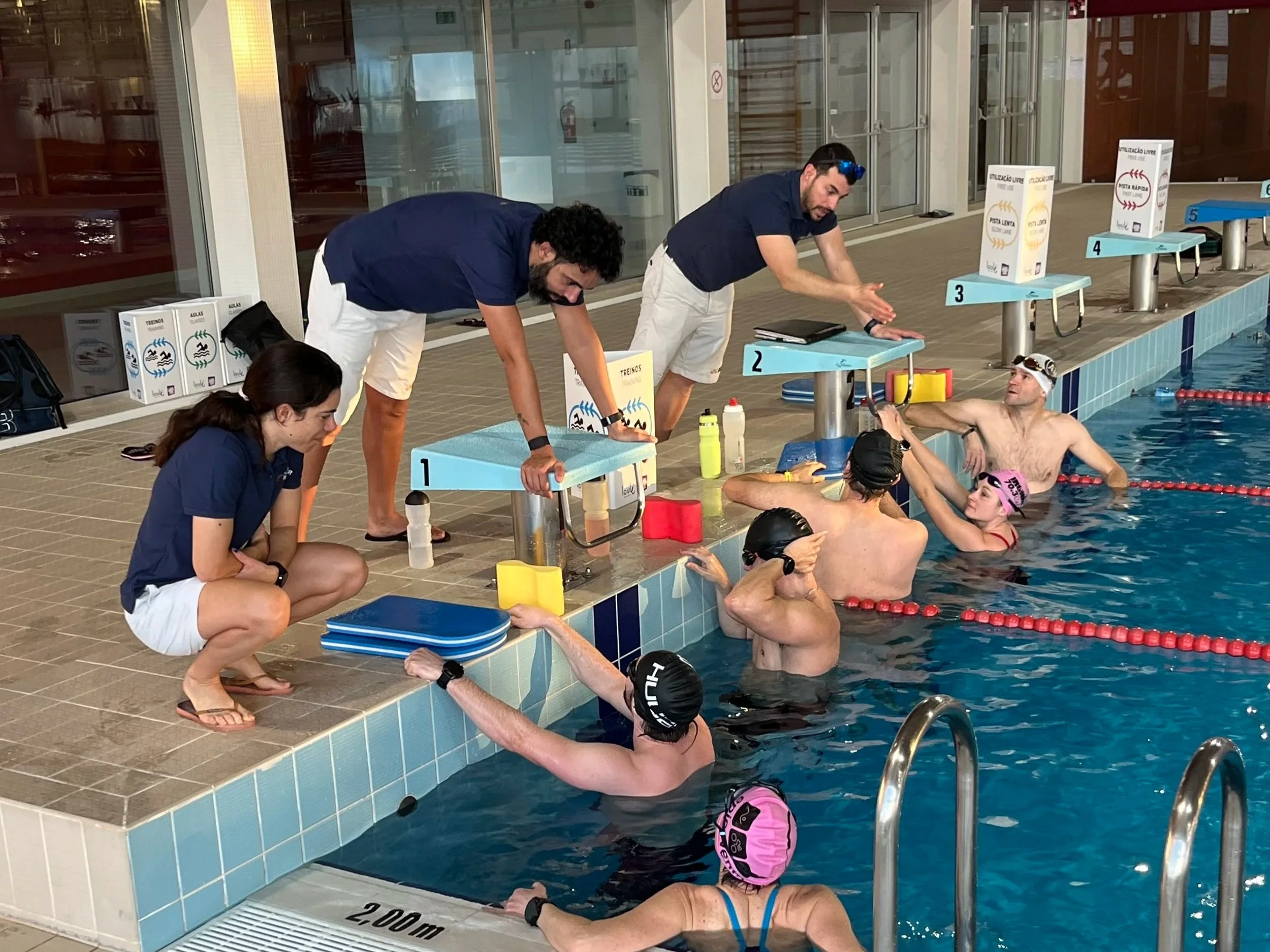
Adult swimmers often overcomplicate swimming. There are too many gurus online offering quick fixes and ideas that ultimately lead to further complications. In this article, Coach Philip explores freestyle breathing and how to correct common mistakes.
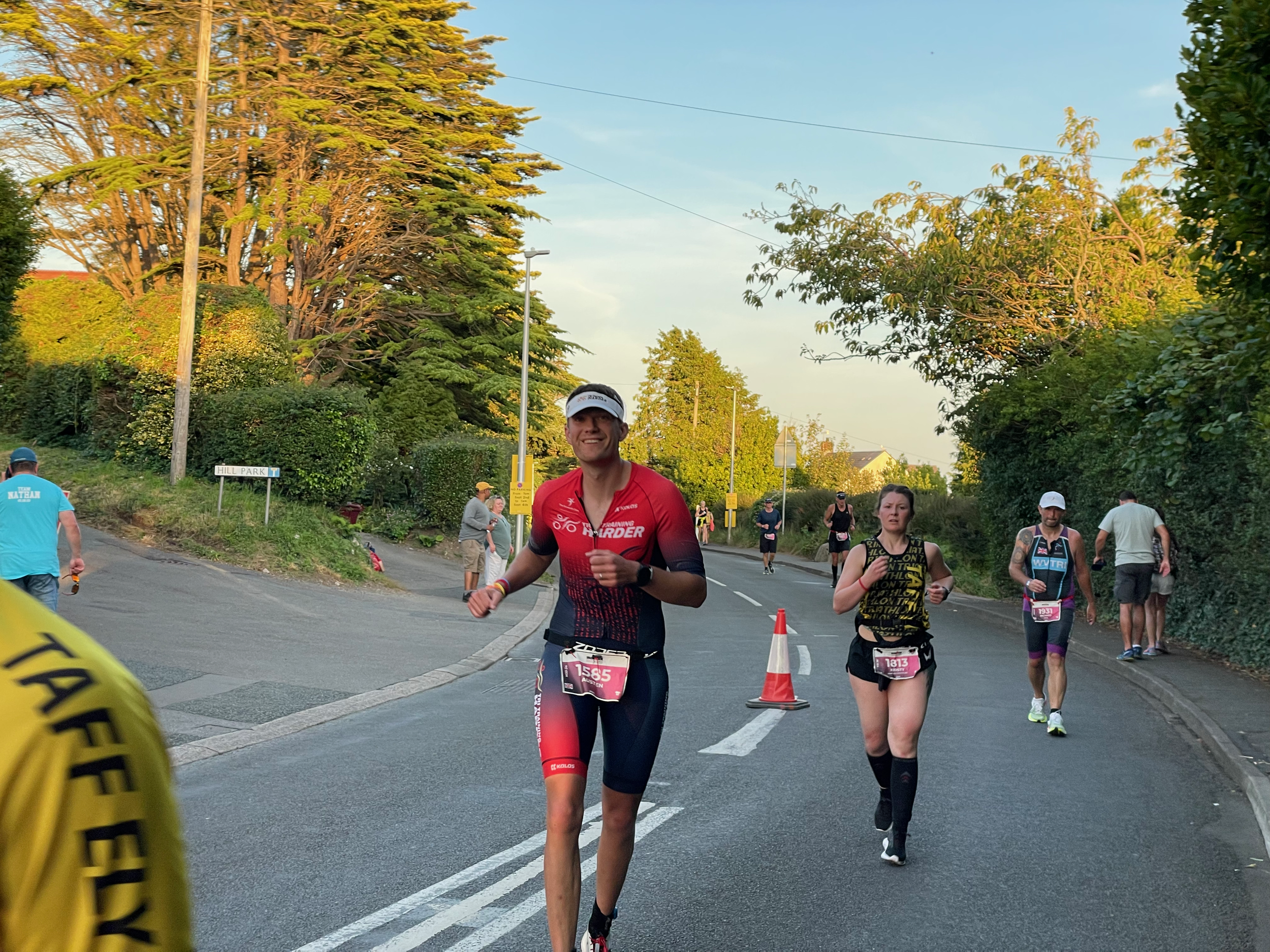
Many people have mantras, either for how they live their lives, or relating to how they turn up and train. In this small series, Coach Denise looks at the mantras which have meaning to her personally, and shares how they help her with both life and training.
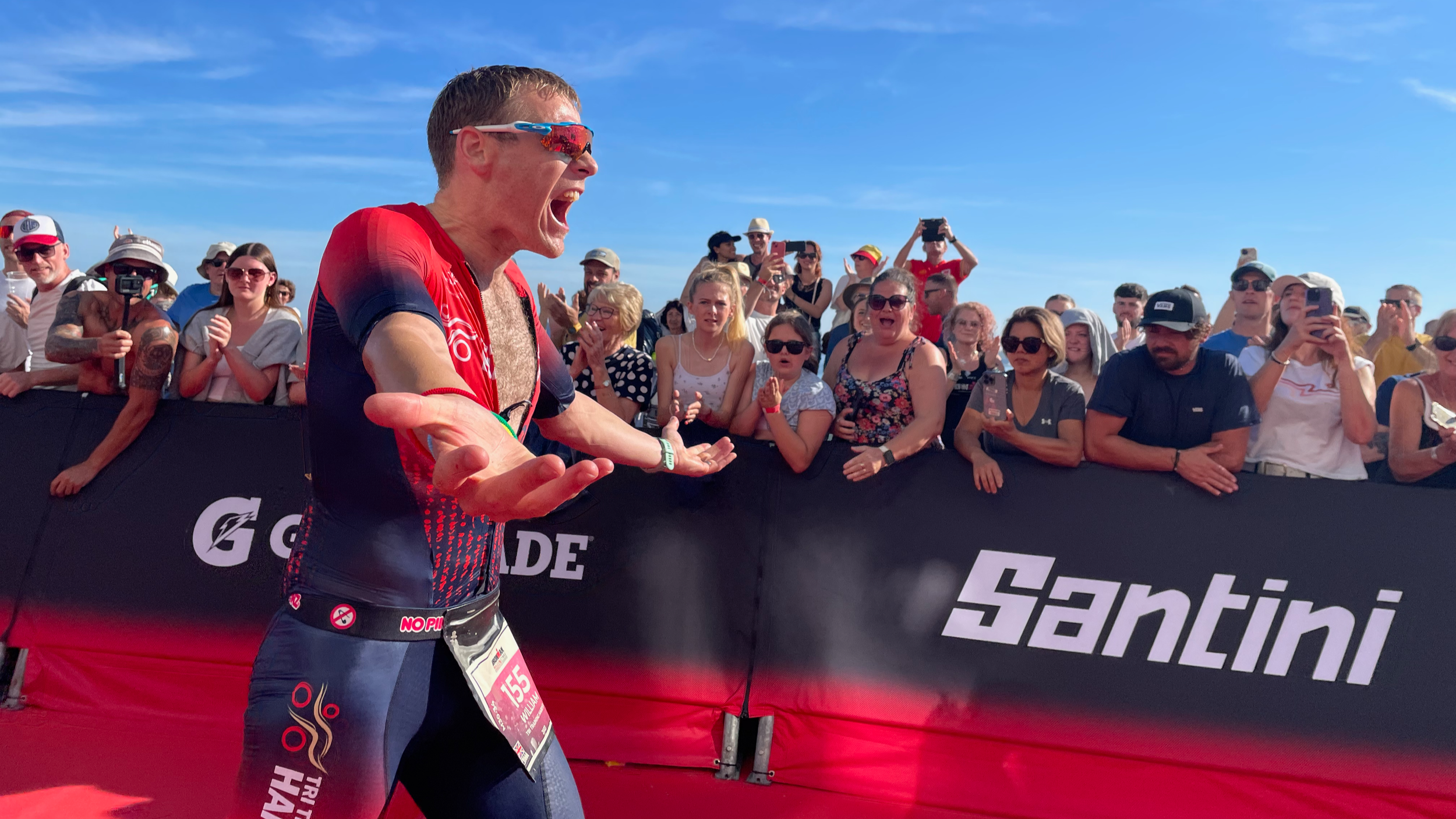
Mantras – what do they really mean and how can they help?
Many people have mantras, either for how they live their lives, or relating to how they
turn up and train. In this small series, Coach Denise looks at the mantras which have
meaning to her personally, and shares how they help her with both life and training.
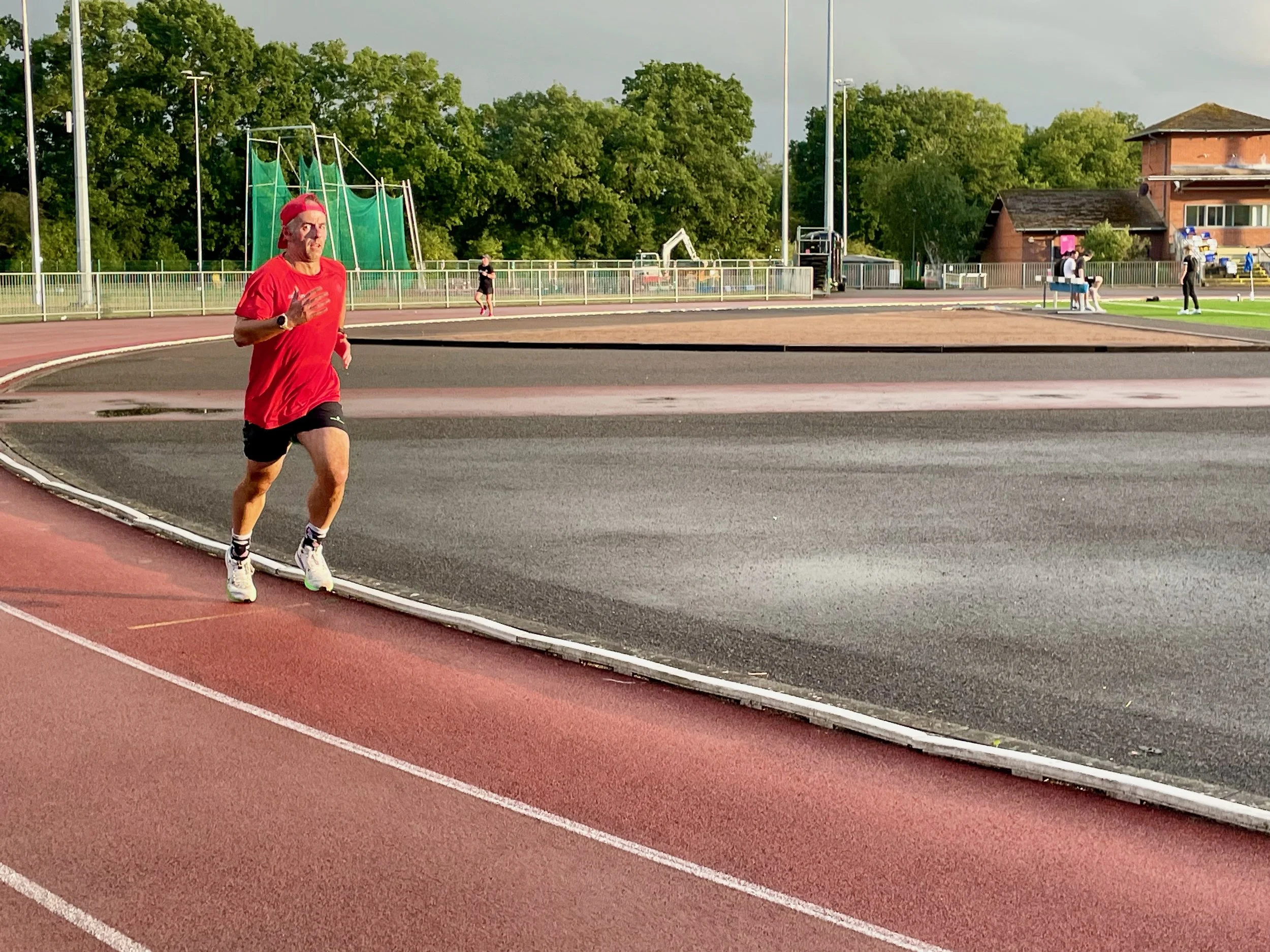
It's common for athletes to feel pressure to perform well for others, but genuine pride from loved ones comes from an athlete's attitude, daily habits, and dedication to training, rather than a single race result. This article explores how a continued application of good habits is more impactful on others than a single race result.
Endurance athletes are often caught up in their next dream. Whether trying to win an age group, qualify for a championship, or simply complete their first race, these goals ignite their passion and drive. At the beginning, when their motivation is high, training seems effortless – of course, the athlete wants to complete their goal, and they tell everyone what they want to achieve. However, there is a subtle yet significant difference between wanting to achieve these goals and being willing to do what it takes to get there.
This article explores the concept of coachability and how mindset, vulnerability, and self-talk play vital roles in an athlete's development. It discusses the differences between fixed and growth mindsets and explains why openness to feedback and embracing vulnerability are crucial for success.

Recently, indoor training technology has transformed how endurance athletes approach their cycling training. Meanwhile, traditional outdoor riding offers unique physiological and psychological benefits that no virtual platform can fully replicate.

Triathletes often start coaching with us encountering the same common hurdle: they struggle to run efficiently off the bike. Many athletes approach coaching services with the singular aim of improving their running speed. However, as coaches, we recognise that the nuances of transitioning from cycling to running extend far beyond simply running faster. It’s essential to address the finer details that affect performance in the latter stages of a triathlon. Coach Philip explores how to improve your run off the bike.
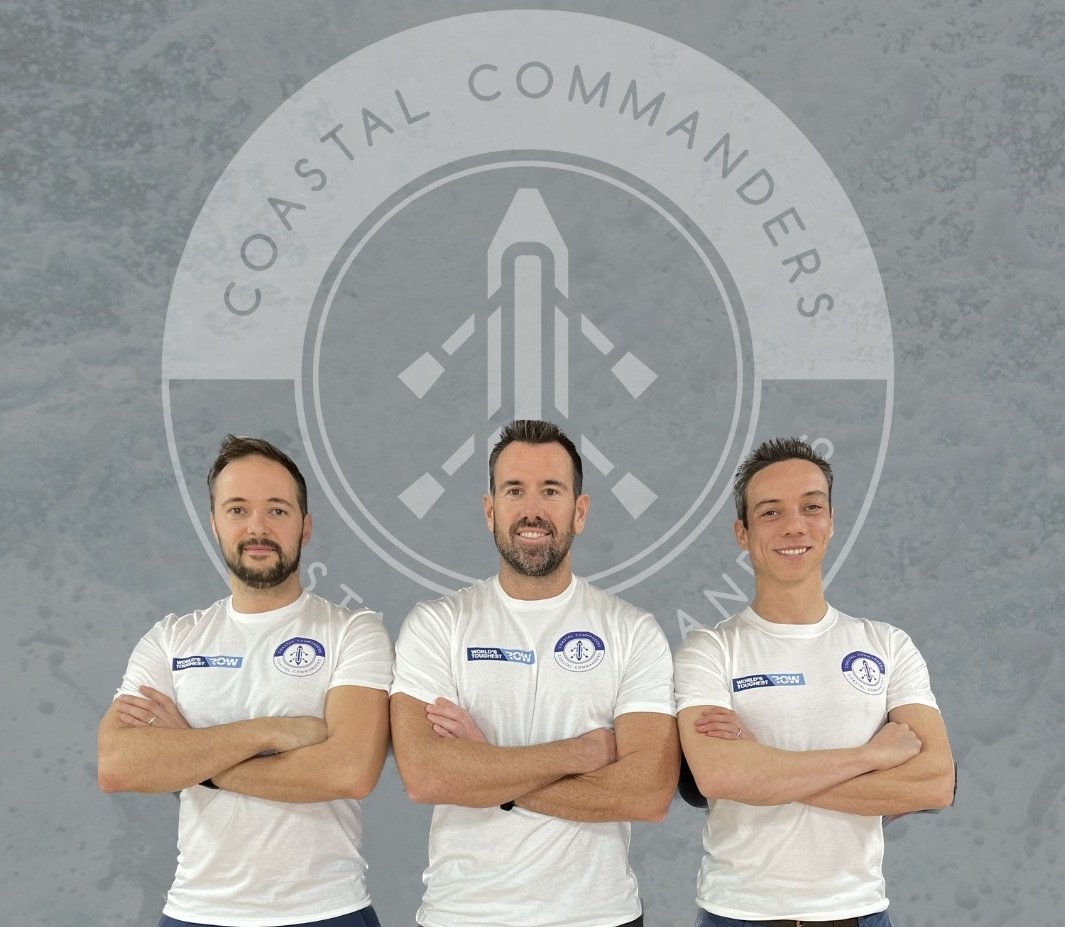
In December 2026, I’ll set off from the Canary Islands with my teammates Martin Mead and Scott Dingle, both fellow airline captains, as part of our team, Coastal Commanders. Together, we’ll row 3,000 miles across the Atlantic in the World’s Toughest Row—a challenge that demands far more than just physical endurance.
This is no ordinary race. It takes three years of solid planning and preparation just to get to the start line. We’ll face sleep deprivation, relentless waves, blistering heat, and total isolation, rowing in shifts, non-stop, with no support and no safety net. Our goal? To complete this challenge in under 40 days.
If you are excited and intrigued by the idea of doing a triathlon, but think it is just for the super fit, think again. In this blog Coach Denise takes a look at the whole sport of triathlon and may just change your mind.

Many endurance athletes grapple with the challenges of self-directed training. While some may believe that coaching is reserved for elite competitors and athletes, personalised coaching can significantly enhance performance for athletes of all levels. In this article, coach Philip explores why all coaches should personalise coaching approaches to the athlete and how this goes far beyond a standalone training plan.

Every multisport event has its own logistics challenges, but racing in the cold can add a whole new level of complexity. As the nights draw in, Coach Denise examines the specific demands of winter racing and ensures that all the bases are covered.

In this latest article, Coach José explores how drafting is a part of the sport, why there are drafting rules, what to do if you find yourself stuck amongst the drafting group, and how to ensure you race with integrity.


In this article, we explore Tri Training Harder’s community-driven approach and how building a supportive and inclusive athlete network fosters success. Featuring stories from Tri Training Harder community members, the article highlights how collaboration and shared knowledge positively impact athletes, emphasising the value of a collective, inclusive environment for athletes of all levels.

This article explores the science behind endurance training, focusing on the crucial roles of physiotherapy and nutrition. With insights from Tri Training Harder’s expert partners, including physiotherapists and nutritionists, we highlight how their expertise is integrated into training plans to enhance athlete performance and prevent injury, underscoring the importance of a well-rounded approach to endurance training.

This article delves into the power of holistic coaching, emphasising our comprehensive approach that goes beyond just a training plan. By incorporating mental, physical, and emotional support, this coaching strategy has helped athletes thrive. Testimonials from current athletes highlight the significant benefits of this well-rounded methodology, reinforcing the importance of a holistic approach to coaching.

This article explores practical strategies for balancing endurance training with a busy lifestyle. Drawing on insights from TTH coaches, the article offers advice on effective time management, prioritising workouts, and finding the right balance between triathlon training, work commitments, and personal life.
Although racing in the UK has many perks, one downside is that we don’t usually get the excessive heat that some of our European and US friends are accustomed to racing in. In this article, Coach Philip explores some top tips for racing in the cold.

At the start of race season, as thoughts turn to open water swims, one of the key considerations is, just how do you swim comfortably in cold water. In this article Coach Denise uses her extensive experience of swimming in Scotland to look at how best to make the transition from the pool to outside, helping you to have the best swim leg you can.

Every year, nutrition and its strategies take centre stage in our conversations with athletes. It's a subject that sparks genuine curiosity and interest. Yet, the challenge lies in translating this knowledge into effective race strategies. Coach Philip delves into some common pitfalls in nutrition strategy, emphasising the potential for significant performance improvements.
We all know warm-ups are important, but when it comes to racing, we tend to do things differently than in training. Coach Philip explores why the warm-up is important.

Athletes often categorise their races. In this article, Coach Philip outlines how athletes can use a category to help adjust their mindsets before the event.

Ageing is a natural process which, we hope, we will all get to experience. As we age our bodies change, some more dramatically than others. In this article Coach Denise looks at what changes we can expect and how we can accommodate them, to enable us all to keep training, and racing, for as long as we want to.

Are you planning on racing with a bunch of clubmates or friends? Do you know how you will cope? Will you be the easygoing traveller, or will you be the one who carries their nerves quite obviously? Coach Philip addresses some key points of self-reflection that athletes should go through before travelling to a race with others.

In this article, Coach Philip explores how athletes are often distracted by the enormity of the task and get excited about the headline sessions instead of ensuring that all the fundamentals are in place to improve their chances of success or, more importantly, reduce the probability of failure.

As we look to the new season, testing is one of the first things many athletes will do. This will be the form of benchmarking to understand initial fitness levels, biomechanics or other areas. Various aspects of training and performance will be measured and improved upon in the coming months. Yet, often, athletes dislike “test week” and miss out on brilliant opportunities to improve. Coach Philip Hatzis explores the topic of improving your testing sessions in this article.
At some point in their athletic career, every athlete has a point when they’re unsure if they should or should not train. This is often a result of illness or fatigue or something similar. They are feeling a bit “yuck” but do not necessarily understand why, which makes deciding whether they should train a tough challenge. In this article, coach Philip Hatzis explores how athletes can decide whether to train or not.

In this article, Coach Philip explores goal setting and the commonly accepted approach to goal-setting that may actually inhibit performance by forcing a time constraint on athletes where no time may be the best option.
Podcasts

In this episode, Coach Philip has a very candid conversation with Mark Harvey (Harvey). Harvey and Philip have known each other since they raced their first 70.3 (or Half IRONMAN as they were called) in 2008. They then went on to complete their first IRONMAN in the same year before Philip began to try and go faster, and Harvey wanted to go longer!
Have a listen to see what you can learn by facing the limits of your endurance.

In this episode, Coach Philip talks with Simon Roche, who recently completed the Marathon des Sables. The MdS, as it is affectionately known, is labelled as the toughest foot race on earth, and Simon came in the top 50, amongst the elite runners and was proudly the 8th Brit across the line. Simon's Coach, Trevor, also joins the conversation and the pair talk about the preparation needed for such an event, how they managed setbacks and the extreme level of trust in the process that they both focussed in. There are lessons here for all athletes of any ability to take forwards and realise that you don't have to start by being one of the best in the world, you have to trust the process and slowly chip away at getting better, and you will travel very far. It was also fascinating to hear how much preparation and specific training played pivotal roles in success. If planning is a big part of success, then this experience certainly added to it, and there are direct associations that all of you can apply to your racing and everyday life. We hope you enjoy hearing about this race in the desert!
Instagram – MrRocherun (@rocherun) • Instagram photos and videos
Website – Simon Roche is fundraising for The Gatehouse (justgiving.com)

As we lead into the final days of this season, when is the right time to call it a day? When should you do one more race? How do you know which is the right decision? In this episode of Coaches on the Couch, coaches Alan and Philip talk about that final race of the season.

In his episode, we meet Coach Sorrel Williams: a passionate and extroverted coach that tells us her story of how she changed her past from generally not a sportsperson to become a Triathlon Coach and a full-distance triathlon finisher. Sorrel never had any background in sports and didn’t even know how to swim when she started, but that didn’t stop her from changing the direction of her life. Her can-do attitude and positive outlook on life are infectious. As one of our senior coaches, there are always nuggets of information that she can impart from her work with the Academy juniors to her work in other areas of triathlon and coaching. Tune in and have a listen.

In this episode we recover last week’s Coaches on the Couch where Coach Philip has guided us through the process of reflecting on a race and the details we need to to be aware of when racing.
With the Tokyo 2020 Olympic Games happening at this time, this is the perfect moment for you to learn as much as possible about the aspects of racing and what you can take from others and your competition experiences.

Now that races are returning to our calendar, we spoke with Brian Adcock, the director of the Castle Race Series. In this conversation, we spoke about the changes that race organizers had to make to provide us with the best experience possible during this COVID, the obstacles that race organisers have faced and how excited he is about returning to the sport. We got an insight vision on what needs to be done to organize a race and the difficulties that sometimes a race organiser faces.
Don’t forget to visit our Online Program for Castle Race Series at https://tritrainingharder.com/castle-series-triathlon-training-group or sign up for one of the castle events: https://www.castleraceseries.com/

In this episode, Paul Hayward shares with us his experiences in Triathlon and the journey of his life partner. The ups and downs of his journey led him to finish some of the hardest triathlons on the Ironman calendar and convinced his wife to share the same steps.
Videos
Use the icon on the top right of the video screen above to see all the video options, or check out the playlist in youtube.
Confidence on race day is not something that can be simply wished into existence; it is built over time by recognising genuine improvements in training and racing. By consistently seeing what they are capable of, athletes build a solid foundation of self-belief, known as self-efficacy, that they can rely on when it matters most. The key to unlocking genuine race-day confidence lies in evidence, experience, and focusing on process goals. This article explores a recent Podcast discussion with Coaches Philip and Diogo and summarises their conversation.