
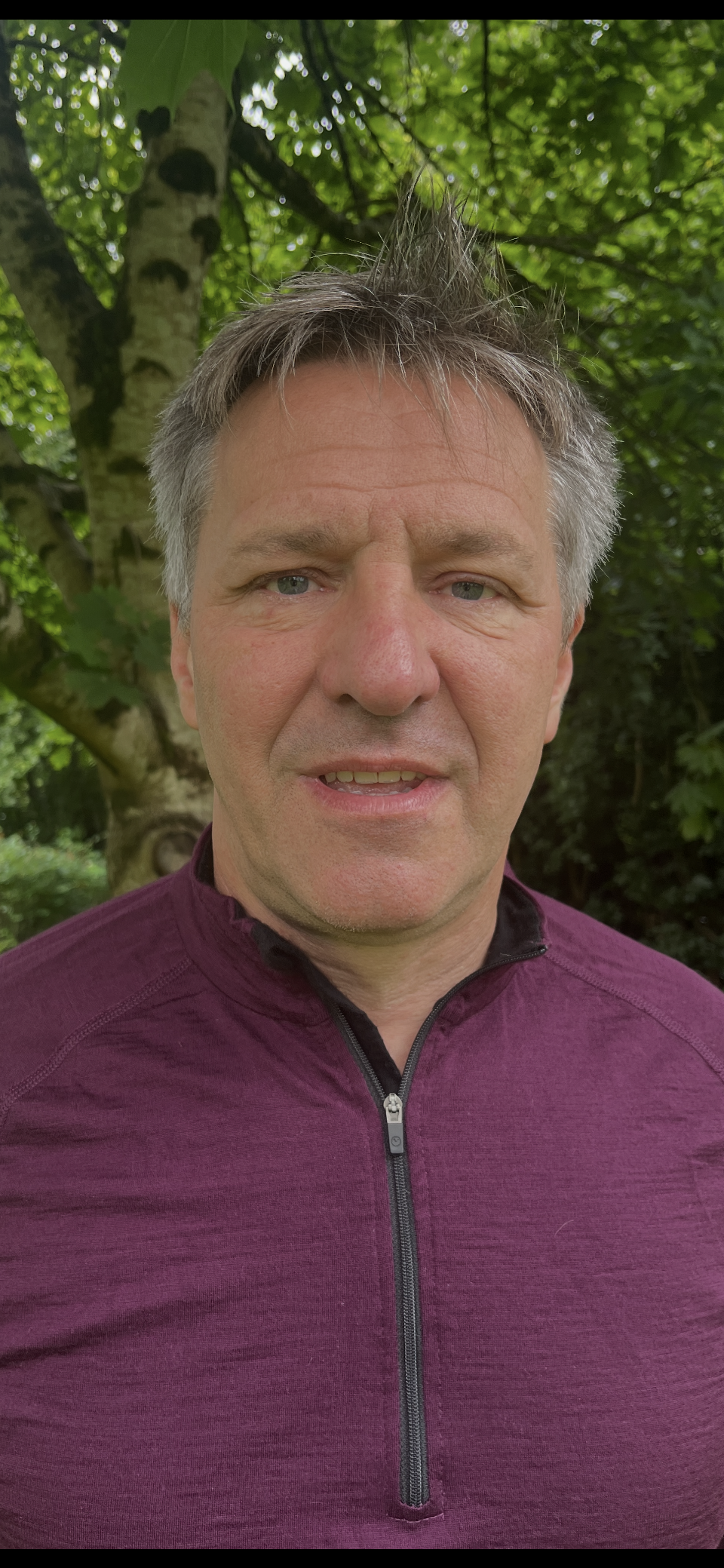
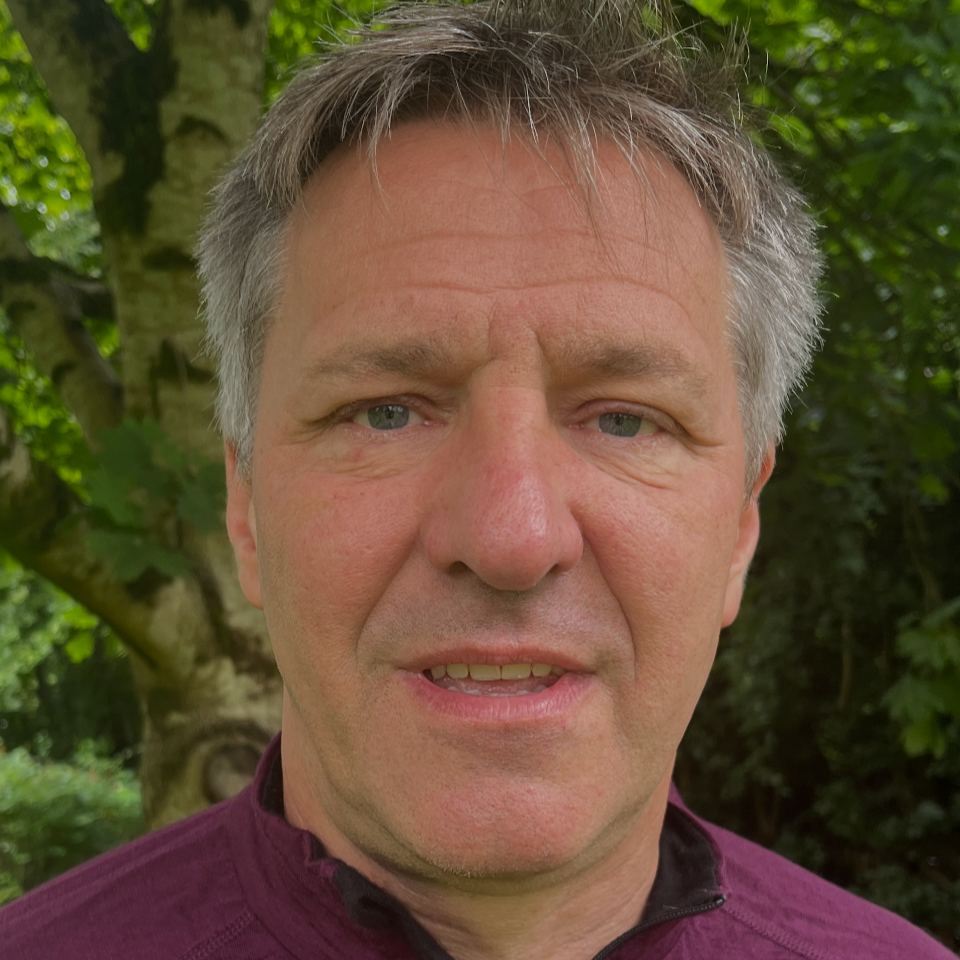
Peter Walker
Triathlon and Endurance Coach based in Wareham, UK
As a Coach
As a triathlon coach, Peter began coaching in 2015 while competing for the Royal Navy and Royal Marines Triathlon Team. During this period, he supported Service triathletes and the squad as a whole and organised both domestic and overseas training camps. After attaining the British Triathlon Level 2 coaching qualification and leaving the Royal Navy, he expanded his coaching practice to athletes beyond the military, while continuing to coach serving personnel.
His athletes have achieved Age Group podiums and World Championship qualifications. Recently, he successfully guided a cohort of eight mixed‑ability triathletes - ranging from genuine triathlon novices to half‑Ironman finishers - through Ironman Barcelona, an experience he found especially rewarding.
Peter’s coaching philosophy is to integrate an athlete’s performance data with practical realities - such as training availability, equipment, race selection, budget, and ambitions - so they can fully realise their potential. Recognising that triathlon is both costly and time‑intensive, he believes well‑targeted, specific coaching can benefit everyone, from athletes aiming to "simply" complete a race to those competing for podiums and personal bests.
To quote the words of a song from The Beat: "I think we think too much". To quote Peter: "Let the coach handle the analysis so the athlete can focus on the work".
As an Athlete
As an athlete with a foundation in distance running - and marathons in particular - Peter entered a short local triathlon in 1994, loved it, and chose to do an IRONMAN for his second race.
He progressed rapidly, qualifying for and racing the IRONMAN World Championship in Hawaii, then went on to record 8:42 over the IRONMAN distance and earn selection to the GB Elite squad for the Long Distance Triathlon and Duathlon World Championships. He has now raced IRONMAN events at Roth, Almere, Vancouver, Lanzarote, Hawaii, Switzerland, Barcelona, Majorca and multiple venues across the UK. Following a five‑year triathlon sabbatical, he returned to win his age group at Ironman 70.3 UK, and he now balances coaching others with his own triathlon training across all distances, with qualification for Hawaii once again a primary goal.
See Peter’s most recent athlete feedback
Q&A with Peter
When did he get into triathlon? TBC
How did he first get involved in triathlon? TBC
What is his favourite discipline? TBC
Why did he choose to take up coaching? TBC
What is his greatest athletic achievement? TBC
What is his greatest coaching achievement? TBC
What one piece of advice would he give someone new to triathlon? TBC
Favourite quote: TBC
Read Peter’s latest blogs
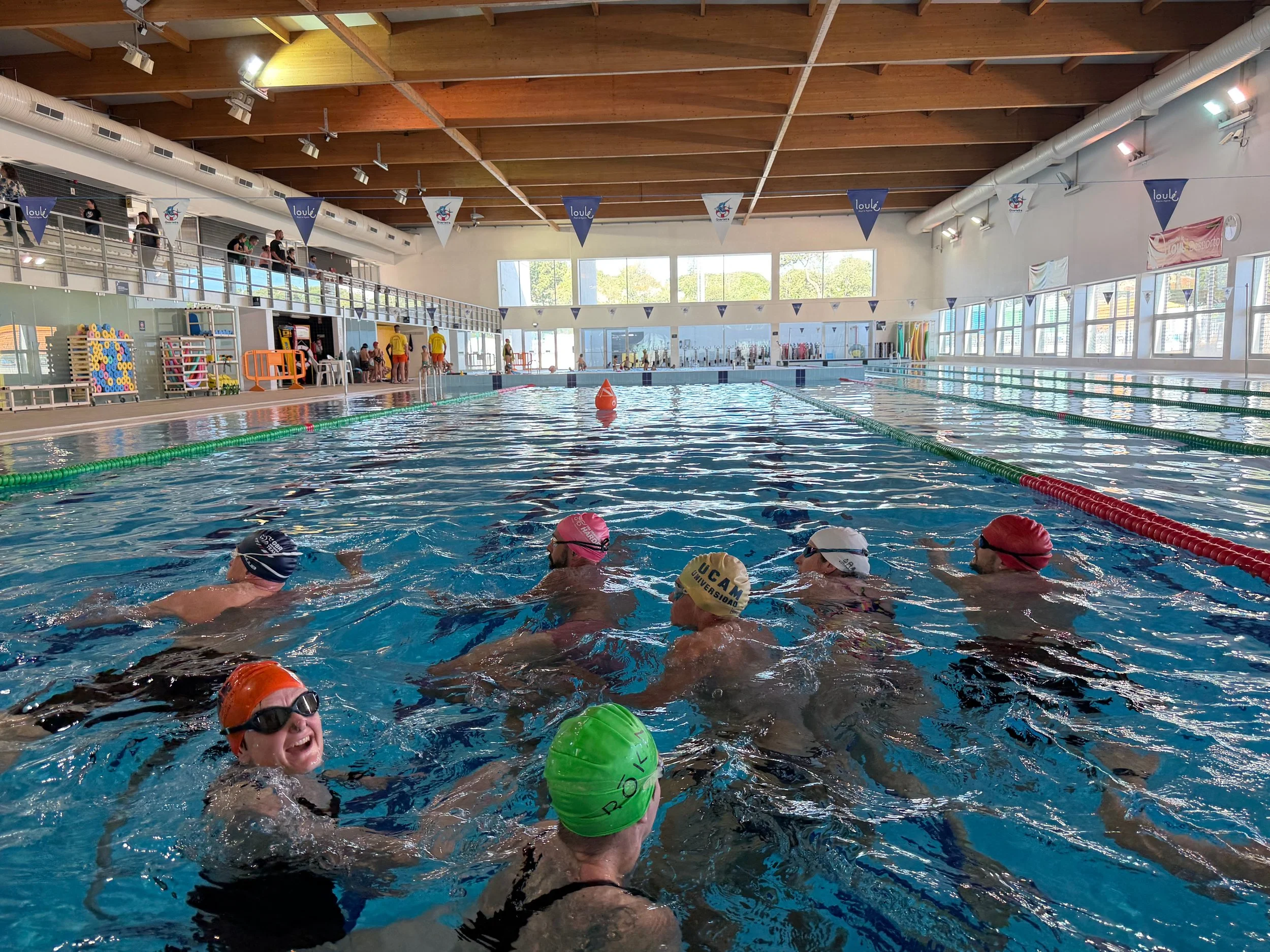
Confidence on race day is not something that can be simply wished into existence; it is built over time by recognising genuine improvements in training and racing. By consistently seeing what they are capable of, athletes build a solid foundation of self-belief, known as self-efficacy, that they can rely on when it matters most. The key to unlocking genuine race-day confidence lies in evidence, experience, and focusing on process goals. This article explores a recent Podcast discussion with Coaches Philip and Diogo and summarises their conversation.

Artificial Intelligence is making waves in every industry, and endurance sport is no exception. As coaches and athletes, we’re now faced with a new question: what’s the real difference between a training plan built by AI and one delivered by a coach who uses AI as a tool? With so many platforms offering AI-generated plans, and some athletes even turning to tools like ChatGPT for their schedules, it’s important to understand how these options stack up against the support and expertise a human coach brings.
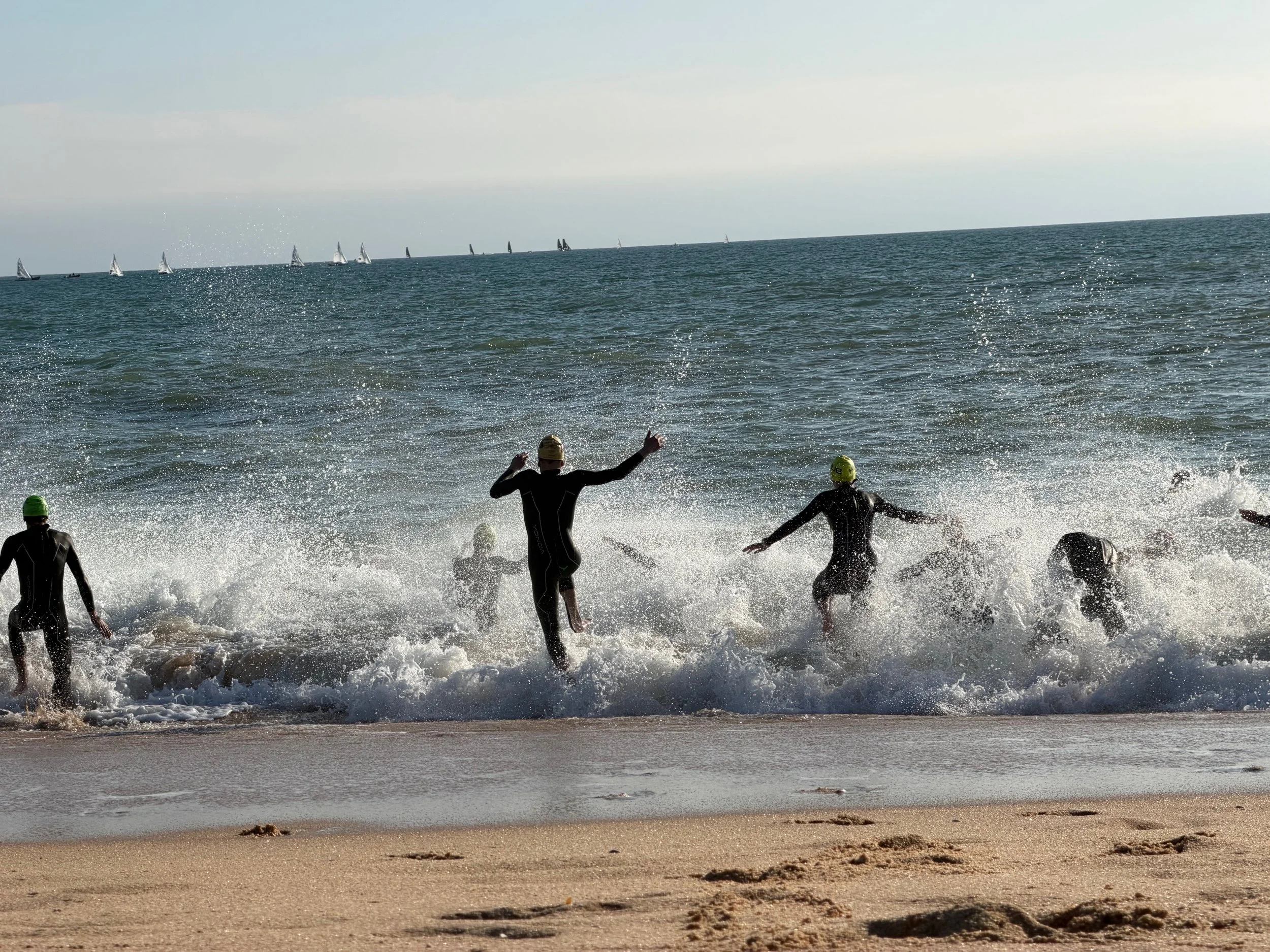
Many triathletes and endurance athletes find themselves in a frustrating cycle: they train consistently, yet performance stalls. The key disconnect is between the athlete’s narrow perception of progress and the broader view necessary for long-term gains. True consistency and progression in endurance sports depend on more than just showing up for every session. This article was created from the Podcast Episode with coaches Diogo and Philip.
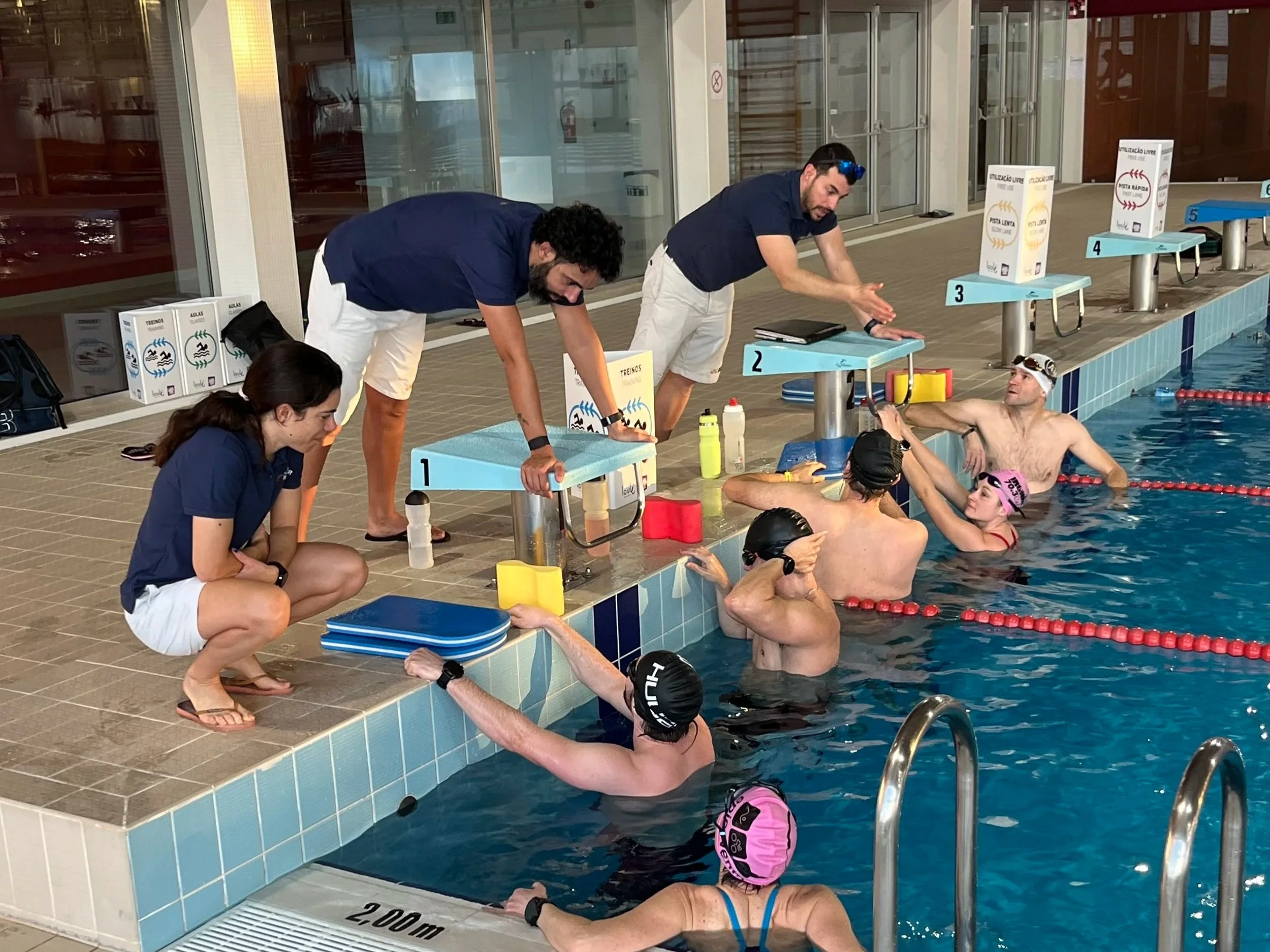
Adult swimmers often overcomplicate swimming. There are too many gurus online offering quick fixes and ideas that ultimately lead to further complications. In this article, Coach Philip explores freestyle breathing and how to correct common mistakes.
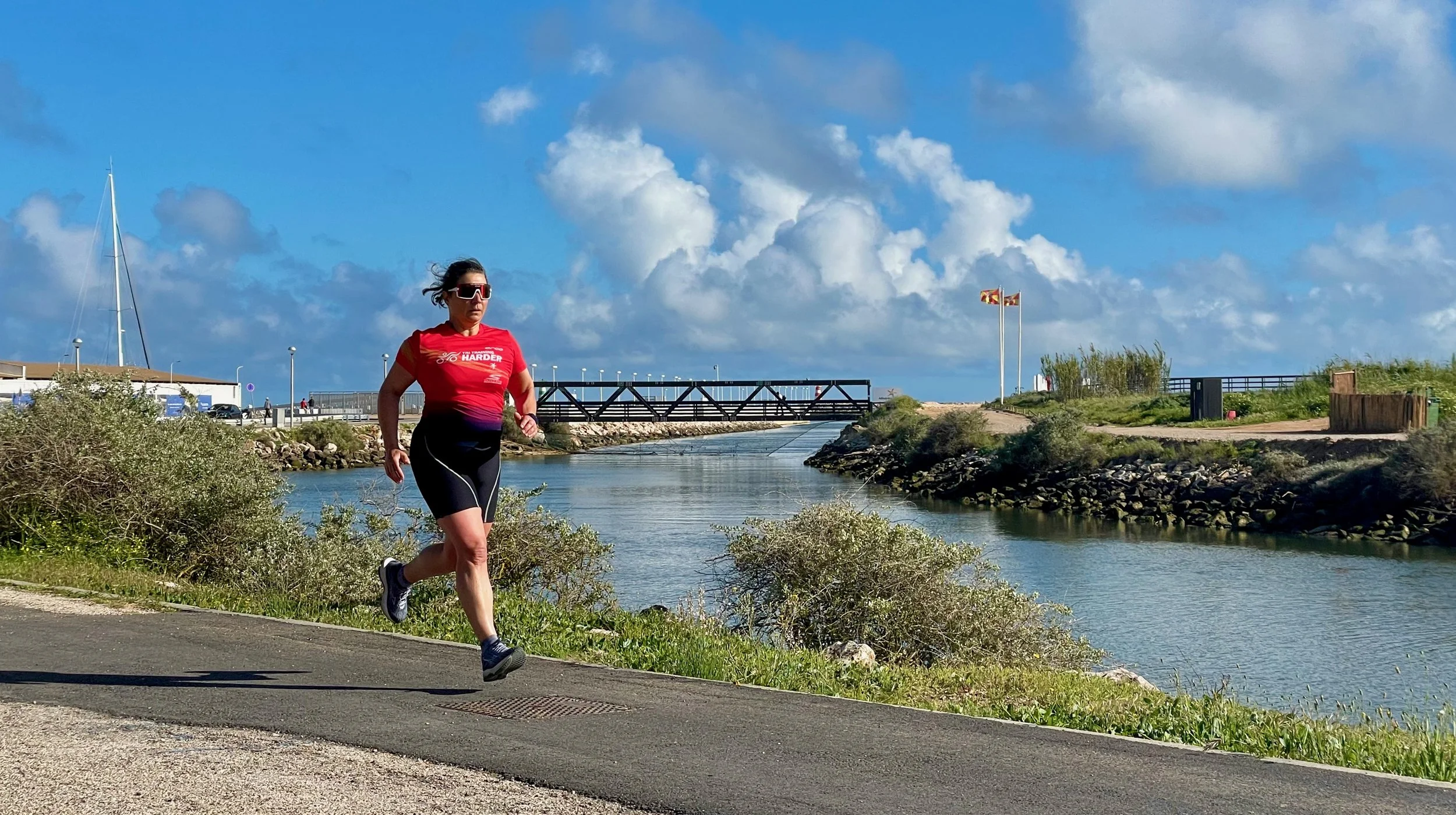
Mantras – what do they really mean and how can they help?
Many people have mantras, either for how they live their lives, or relating to how they turn up and train. In this small series, Coach Denise looks at the mantras which have meaning to her personally, and shares how they help her with both life and training.
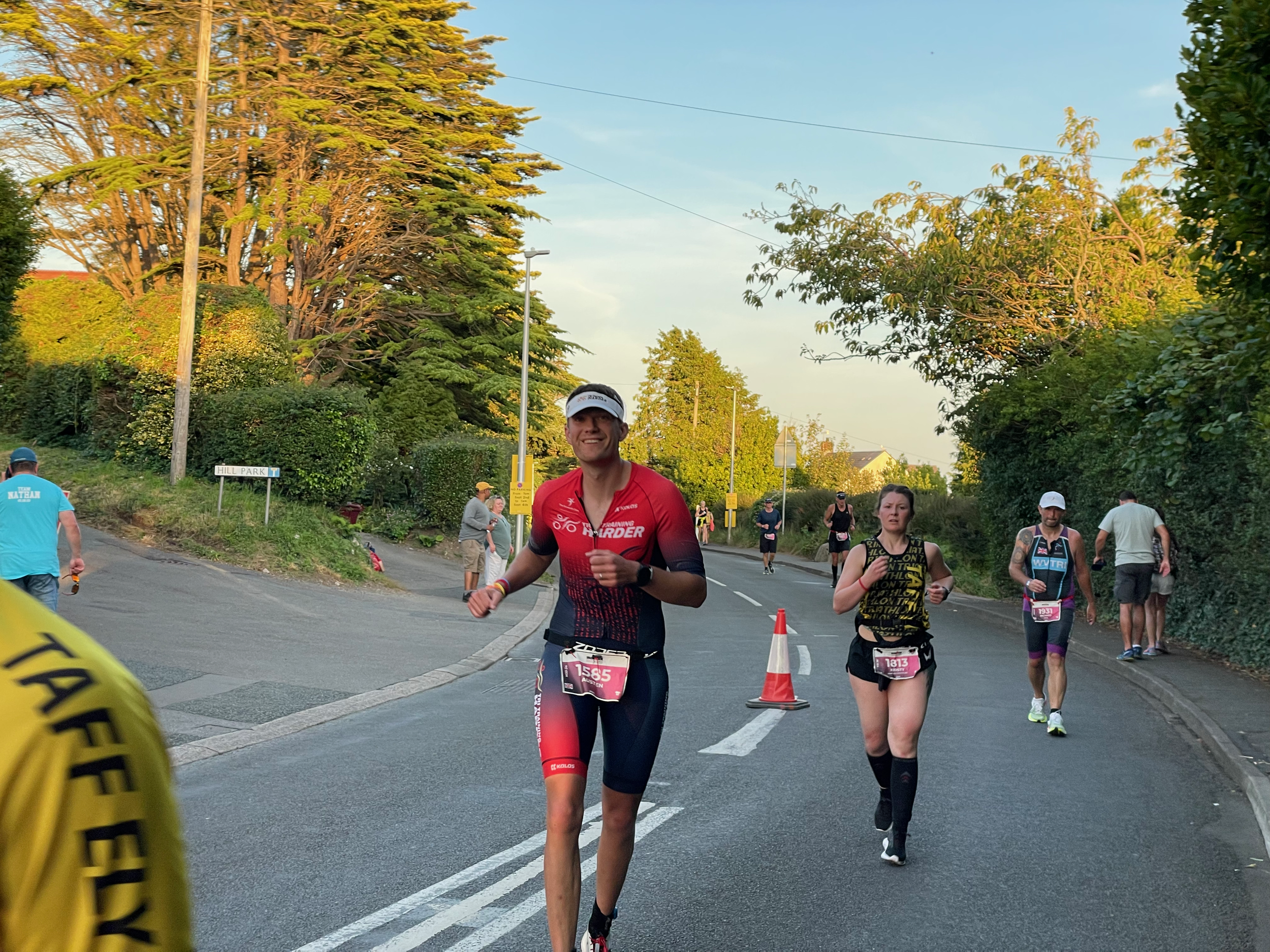
Many people have mantras, either for how they live their lives, or relating to how they turn up and train. In this small series, Coach Denise looks at the mantras which have meaning to her personally, and shares how they help her with both life and training.
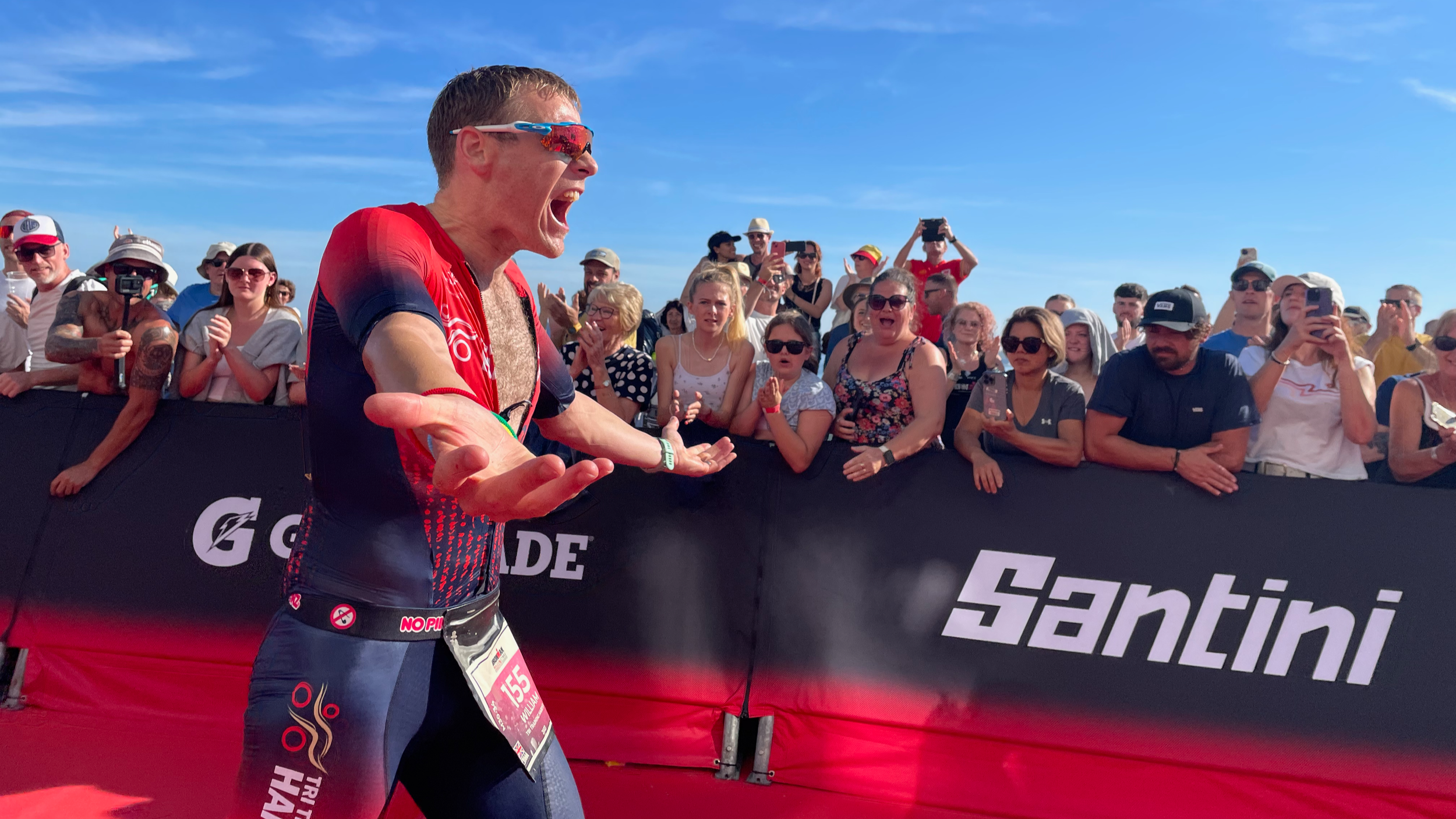
Mantras – what do they really mean and how can they help?
Many people have mantras, either for how they live their lives, or relating to how they
turn up and train. In this small series, Coach Denise looks at the mantras which have
meaning to her personally, and shares how they help her with both life and training.

Many people have mantras, either for how they live their lives, or relating to how they turn up and train. In this small series, Coach Denise looks at the mantras which have meaning to her personally, and shares how they help her with both life and training.
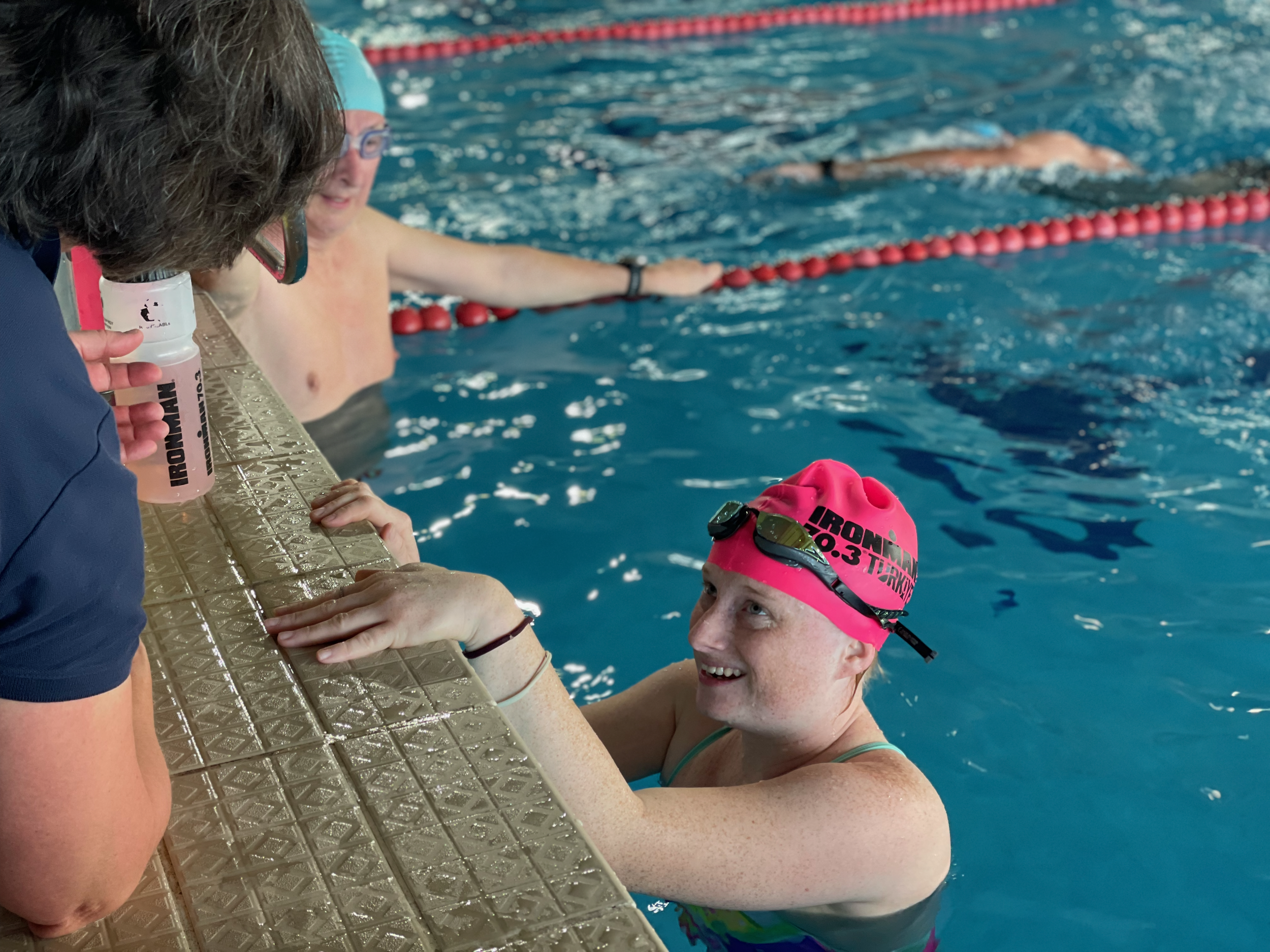
With the increased participation of women in triathlons, there has been a corresponding rise in the number of female athletes training across the three disciplines. For training to be practical, it needs to be consistent, which means showing up regularly. This can be difficult in terms of finding the time, but lack of confidence is also holding women back from participating as fully as they could. In this blog, Coach Denise examines strategies to build confidence and continue training.

With the growing number of women participating in triathlon events, there has been a corresponding rise in female athletes seeking effective training methods. Squad training, either through traditional triathlon club memberships or virtual squads, is a widely recognised approach. Coach Denise explores the advantages of squad membership, particularly for female triathletes.