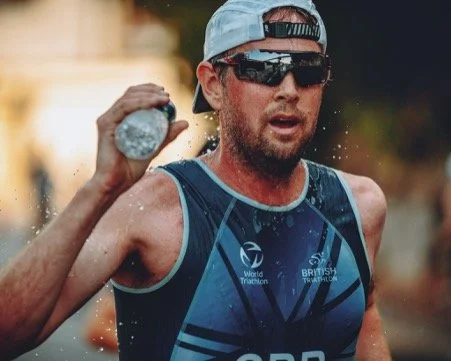
Mike Felton
Triathlon and Endurance Coach based in Portsmouth, UK
As a Coach
He is dedicated to guiding, instructing, and mentoring athletes through their athletic journeys. Mike believes that athletes will have the most success if they take time to establish foundations and routine to their endurance fitness – and that they enjoy the many elements of the sport of triathlon.
Throughout his professional career, he has held many roles where guiding and leading others were paramount to success; as such, he enjoys coaching and seeing others succeed toward their goals. Since 2023, he has worked through the British Triathlon coaching qualifications of Foundation, Group and finally the Personal Coach Award; additionally, as a qualified level 3 personal trainer, he has a breadth of knowledge towards athletic fitness.
As an Athlete
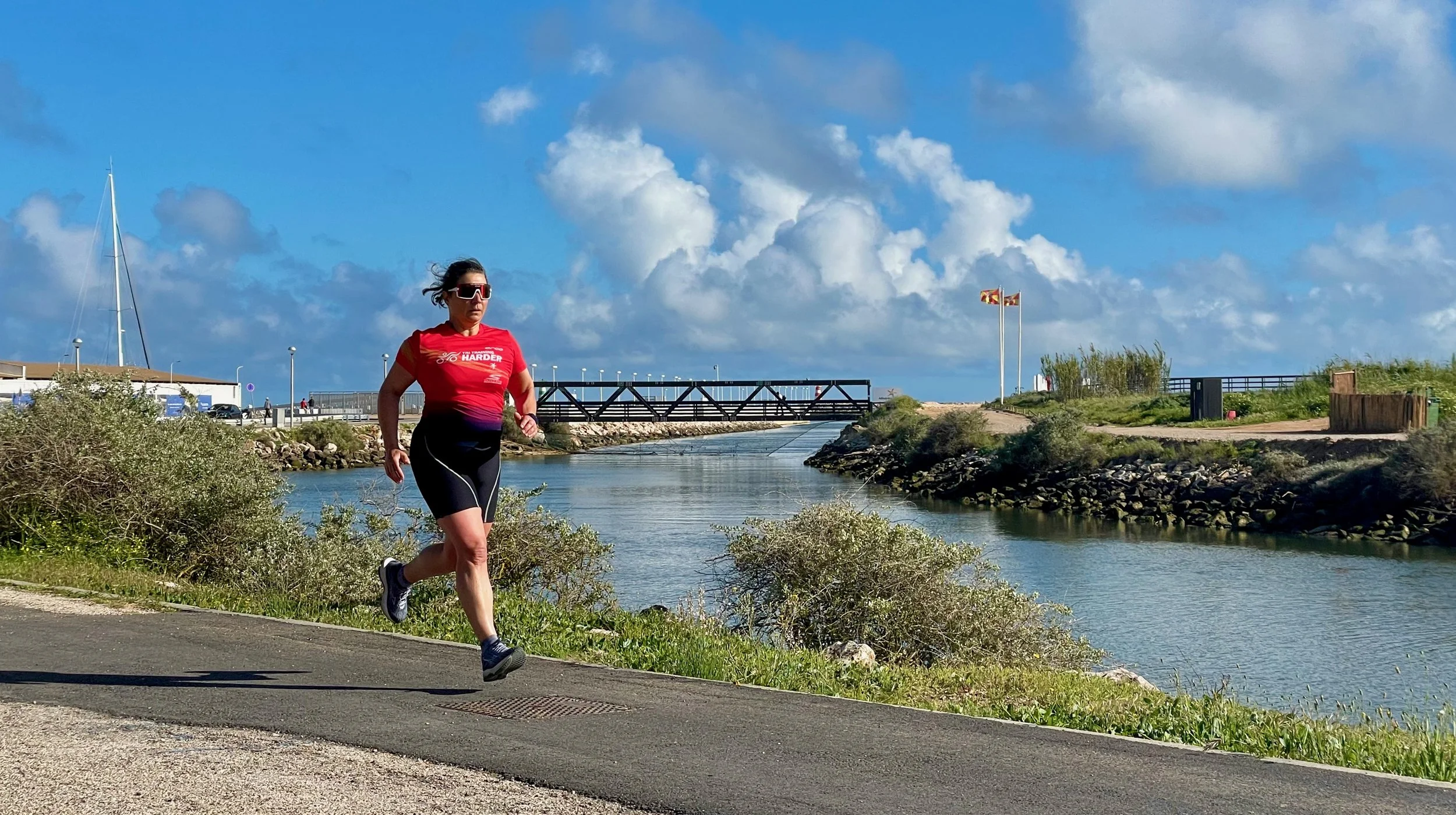
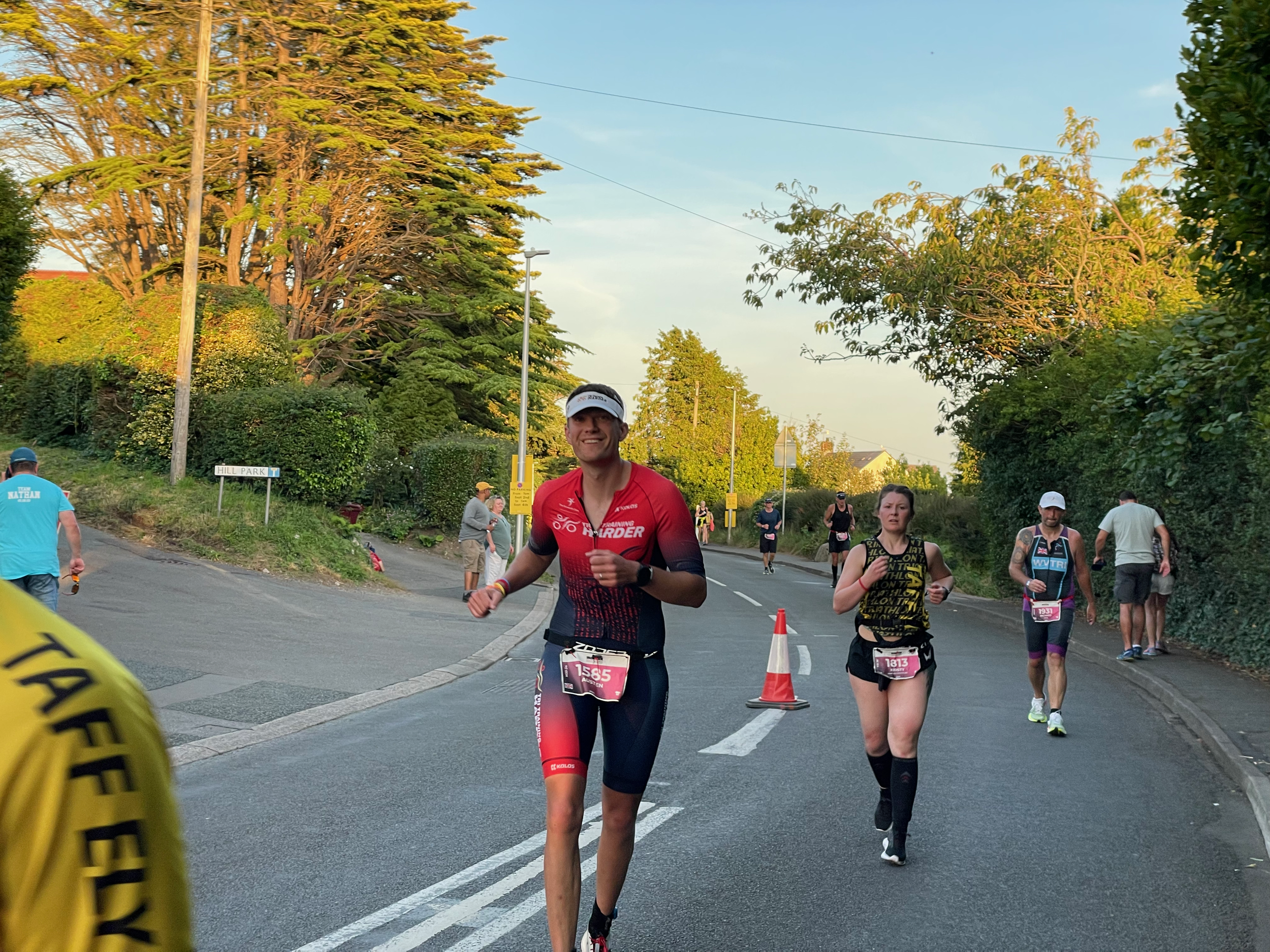
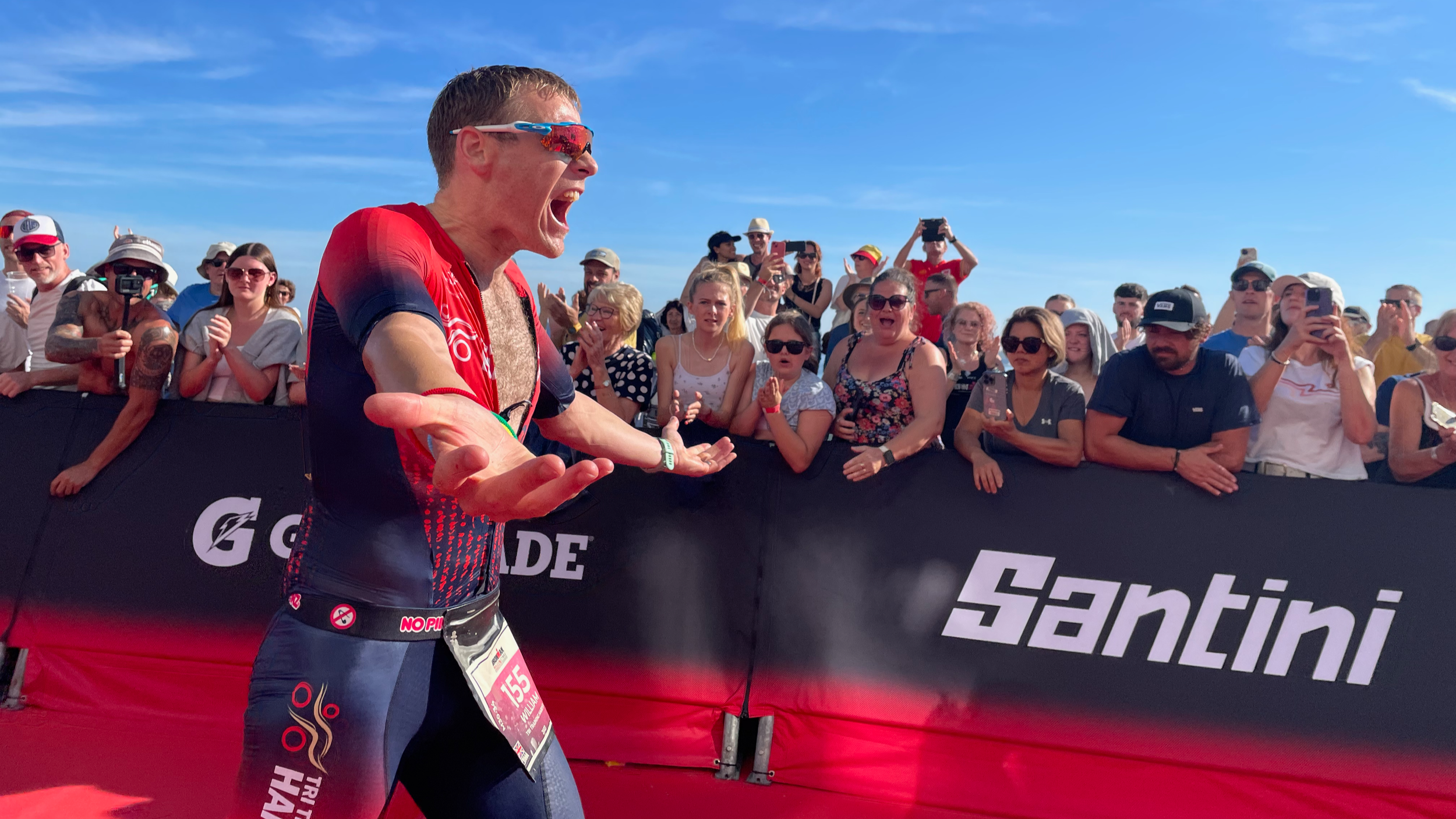
Mike has been athletic and active since his childhood and has always maintained his fitness; most recently, he qualified (both in Triathlon Sprint and Standard distances) to represent GB within his age group at the European Championships in Istanbul 2025. He started triathlon in 2018 in the Middle East, Oman, and cherished the community that engulfed the sport – this form of kinship with other athletes led to his love of both training and competing. He has competed in numerous Sprint, Standard and Middle distances along with a collection of Aquathons and Duathlons.
Before triathlon, he was a road cyclist and would often be found doing hill repeats on the longest, steepest road in the vicinity. Early in his life, he was an accomplished squash player and captained his men’s side at Exeter University; his competitive racket skills have even taken him to Paris and South Africa.
As an endurance runner, he has been racing up to marathon distance throughout his adult life and competed in the Chicago marathon in 2025. He aspires to the London marathon when the ballot finally falls in his favour! To enable him to race all year round, he also competes in the regional cross-country running league and captains his local team.
Favourite Triathlon – Llandudno Standard (amazing bike route)
Favourite Race – Shamrock Shuffle (Chicago 8km)
Wishlist Race – Laguna Phuket Triathlon or any race in hot conditions.
See Mike’s most recent athlete feedback
Q&A with Mike
When did he get into triathlon? First gave it a go at a local sprint race in 2018; I struggled with the swim, overdid it on the bike, and ran out of puff on the run – came 2nd, loved it!!!!
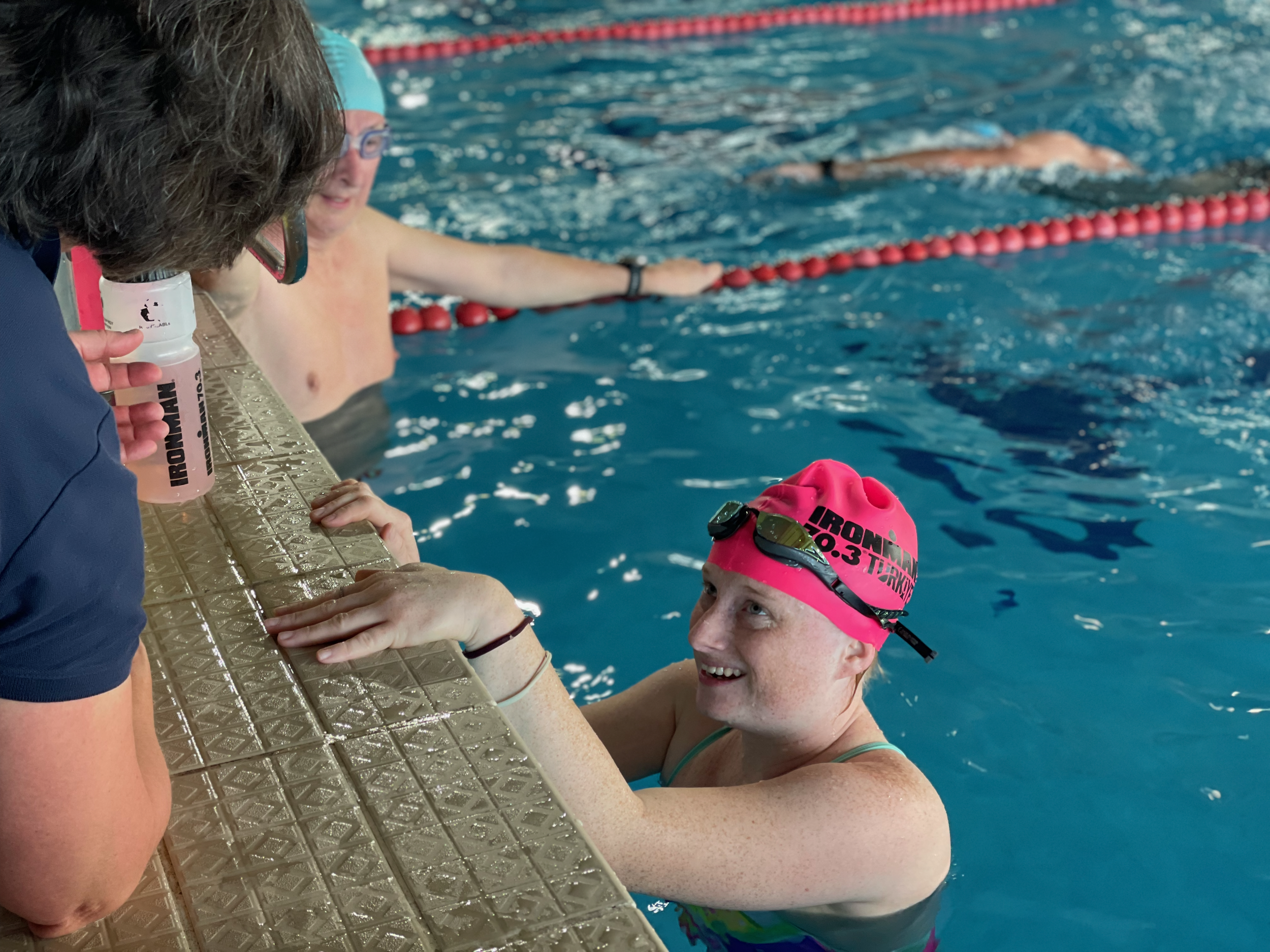
How did he first get involved in triathlon? Following my first little race, I realised that I should probably learn a bit about open water swimming. I joined a group of sea swimmers, who all happened to be triathletes as well; it all sprouted from there.
What is his favourite discipline? Swim: I took my least favourite, least skilled and weakest discipline and trained until it was probably my strongest; and the love of sea swimming followed.
Why did he choose to take up coaching? I initially got into triathlon in an uncoached environment, where the best swimmers guided the novices, best cyclists taught the newbies, and everyone just ran as hard as they could. While this suited my initial journey into the sport, I realised it was not ideal; when interacting with specific coaches, I realised that often the guidance from good coaches can be invaluable. I loved the sport, appreciated coaches and realised that coaching was the ideal way to give back to the sport, would lead to personal satisfaction, and hopefully bring success to my athletes.
What is his greatest athletic achievement? Finishing my 2nd 70.3 triathlon in Salalah, Oman. I competed for fun, without my tri-bike, and completed a race in the most challenging conditions. A water temp of 32oC 1900m swim, followed by out & back 90km hilly bike with 30kt head winds on the return. To top it off, with 95% humidity and 35 °C, a 21 km run. I managed to race well with safe pacing, controlling my temperature throughout – such satisfaction to cross the finish line. This race wasn’t about the fastest times, but was a test of self-discipline and determination.
What is his greatest coaching achievement? I used to coach Freediving, and being able to lead complete newcomers to reach depths (unfathomable to them at the start) within just a few days, all by just allowing them to trust their bodies, to relax, and by teaching the unusual sensations of apnea. This was most rewarding.
What one piece of advice would he give someone new to triathlon? Give it a go and start the journey – Enjoy the racing – and if you choose to, learn to love the nuances, technicalities and intricacies later!
And if I were to give a 2nd piece of advice, it would be to appreciate ‘that there is rarely a perfect race; it’s about how you overcome the obstacles that lead to the perfect finish’.
Favourite quote: “Sport is a universal language, building more bridges between people than anything else I can think of.” Sebastian Coe
Read Mike’s latest blogs