Nick Taylor-Komar
Triathlon and Endurance Coach based near Milton Keynes, UK
As a Coach
Nick’s coaching blends three worlds: military discipline, corporate realism and decades of endurance-sport experience. He studied Sports Psychology in 2010 and completed the British Triathlon Level 3 High Performance Coach Programme in 2024. He is also a TrainingPeaks Coach and an England Athletics Leader in Running Fitness, and is currently completing his Level 2 Gym Instructor and Level 3 Physical Trainer qualifications.
Nick has coached at club level, delivered adult strength and conditioning programmes and supported multisport athletes across a wide range of abilities. His approach is athlete-centred and grounded in clear communication, realistic progression and long-term development. He focuses on integrating training into the realities of everyday life, helping athletes grow sustainably and with confidence.
His aim is simple: to develop resilient, capable athletes who are genuinely “Fit For Life” — not just fit for their next event.
As an Athlete
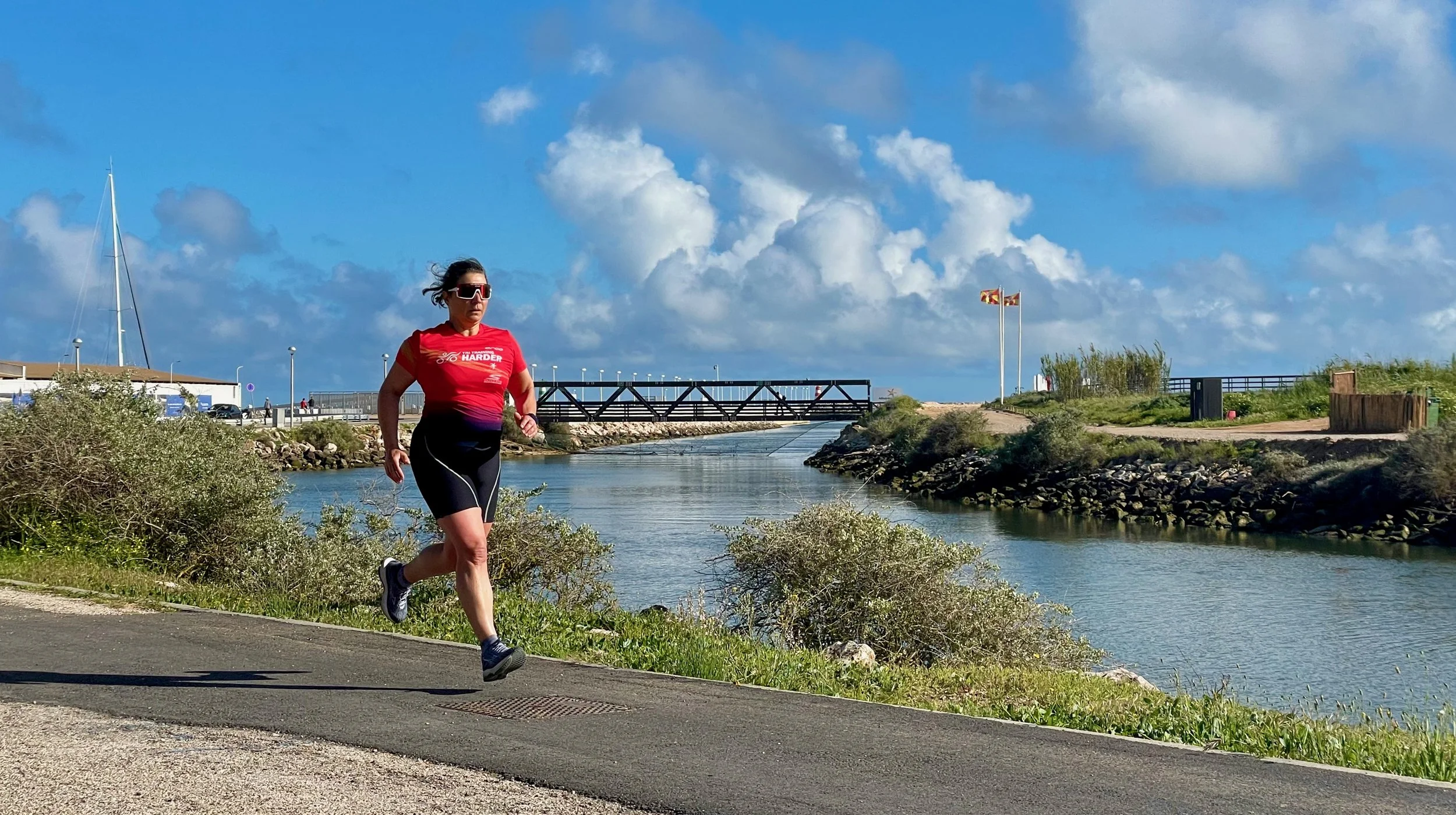
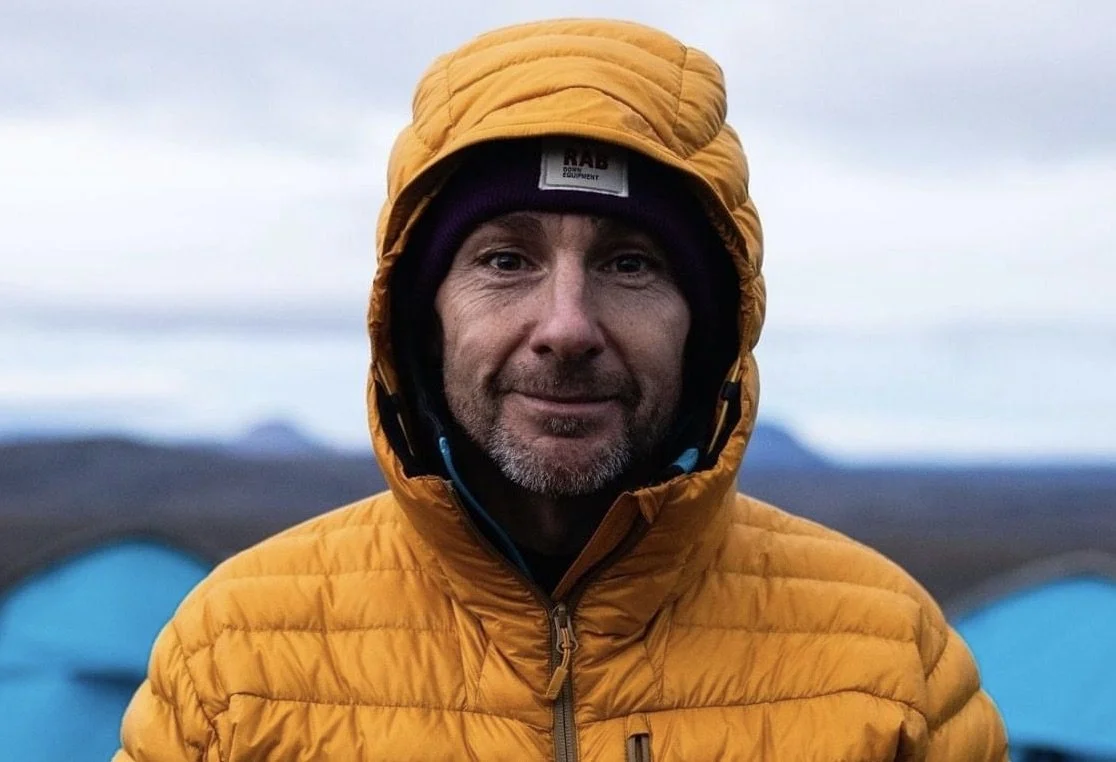
Nick has competed in multisport for more than twenty years across triathlon, duathlon, OCR, XC, ultra-running and adventure racing. Running 330 km across Iceland — self-supported and exposed to the elements — taught him more about resilience and patience than any medal.
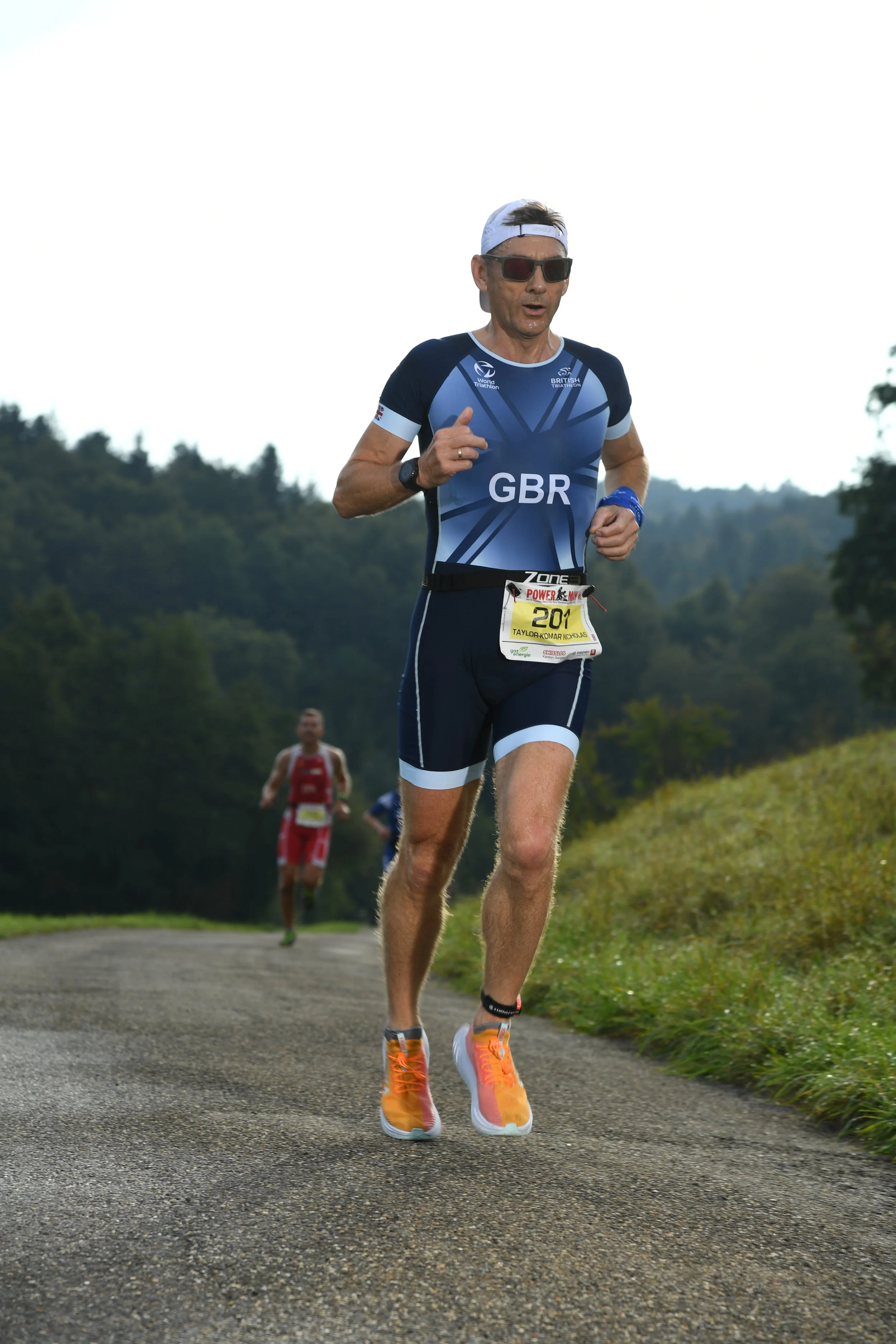
Representing Great Britain as an Age-Group athlete and placing 4th twice at the World Long Distance Duathlon Championships in Switzerland remains a significant honour. Yet what he values most is the learning gained from those performances: preparation, discipline and mindset.
Nick continues to improve with age and is committed to long-term progression. His personal ambition is to qualify for the Ironman 70.3 World Championships in every age-group until he turns 70 — demonstrating that longevity and performance can go hand in hand.
See Karl’s most recent athlete feedback
Q&A with Nick
When did he get into triathlon? Nick began triathlon in the early 2000s. What started as a simple challenge quickly became a lifestyle, a community and eventually a profession.
How did he first get involved in triathlon? After leaving the Royal Marines, Nick sought a new challenge that provided structure and purpose. A friend encouraged him to try a local race. Armed with a borrowed bike and enthusiasm, he was hooked from the first experience.
What is his favourite discipline? While many gravitate toward their strongest discipline, Nick approaches it differently. Cycling gives him rhythm, running tests him, and swimming keeps him honest — but his true favourite is the session he needs on that particular day, not the one that flatters him. As he often quotes: “The magic you are looking for is in the work you are avoiding.”
Why did he choose to take up coaching? Coaching brings together everything Nick values: resilience, growth, mindset and human performance. After a long corporate career, he chose to pursue work that aligned with his purpose — helping others realise their potential. Supporting athletes as they develop physically, mentally and personally provides a sense of fulfilment no traditional job title could match.
What is his greatest athletic achievement? Although the 330 km crossing of Iceland taught him the most, representing Great Britain and placing 4th twice at the World Long Distance Duathlon Championships are achievements he remains deeply proud of. More importantly, he values the fact that he continues to improve year after year — reinforcing his belief that progress remains possible when mindset, consistency and lifestyle are aligned.
What is his greatest coaching achievement? Nick takes the greatest pride in helping athletes rebuild confidence after setbacks such as injury, burnout or self-doubt. Seeing someone shift from “I’m not sure I can” to “I can, and I did” will always surpass podium results. Every PB is meaningful. Every transformation is better. And seeing athletes he coaches stand on the start line wearing Team GB kit — knowing the work, belief and consistency behind that moment — is incredibly special.
What one piece of advice would he give someone new to triathlon? Consistency beats intensity. Build foundations, build confidence, and show up — sustainable progress always outperforms perfection.
Favourite quote: “The magic you are looking for is in the work you are avoiding.”
Read Nick’s latest blogs