Karl White
Triathlon and Endurance Coach based in King’s Lynn, Norfolk, UK
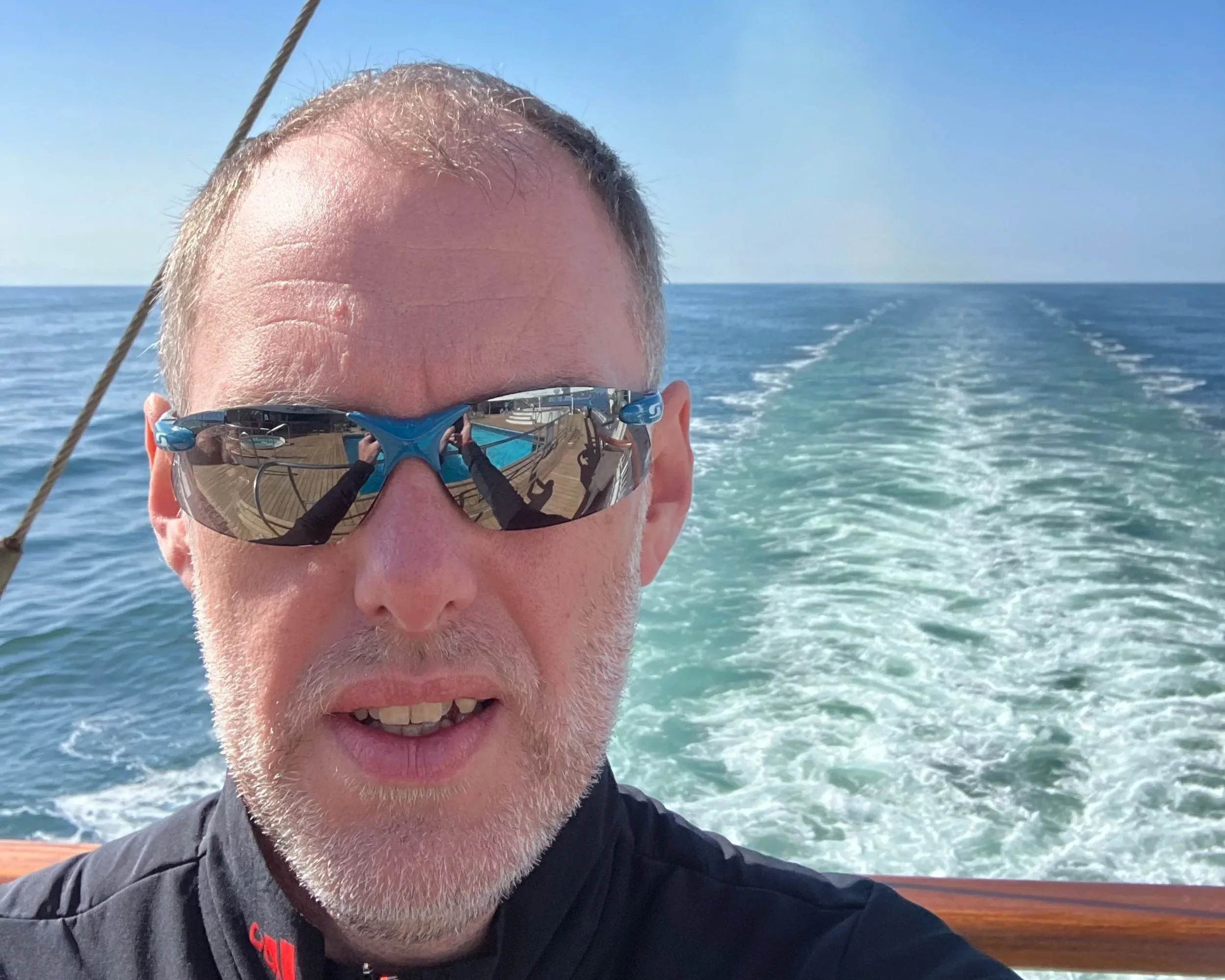
As a Coach
Karl had been informally supporting athletes for a couple of years, then in 2021, he qualified as a BTF Level 1 coach and followed up with his BTF Level 2 qualification. Karl is also the head coach of his local triathlon club.
As a professional trainer and member of the Chartered Institute of Personnel & Development for over 20 years, he can draw on a range of techniques and learning experiences when coaching. Karl is also a PADI Divemaster, which allows him to support divers who have received some training as they practice and develop their skills. When you’re several meters underwater, you really have to build up trust with the divers under your care and work with them as a team.
Together with his partner Jude, they took over a B&B in 2019 and host our Norfolk training camp; both are seasoned friends of TTH, having both coached athletes for several years.
As an Athlete
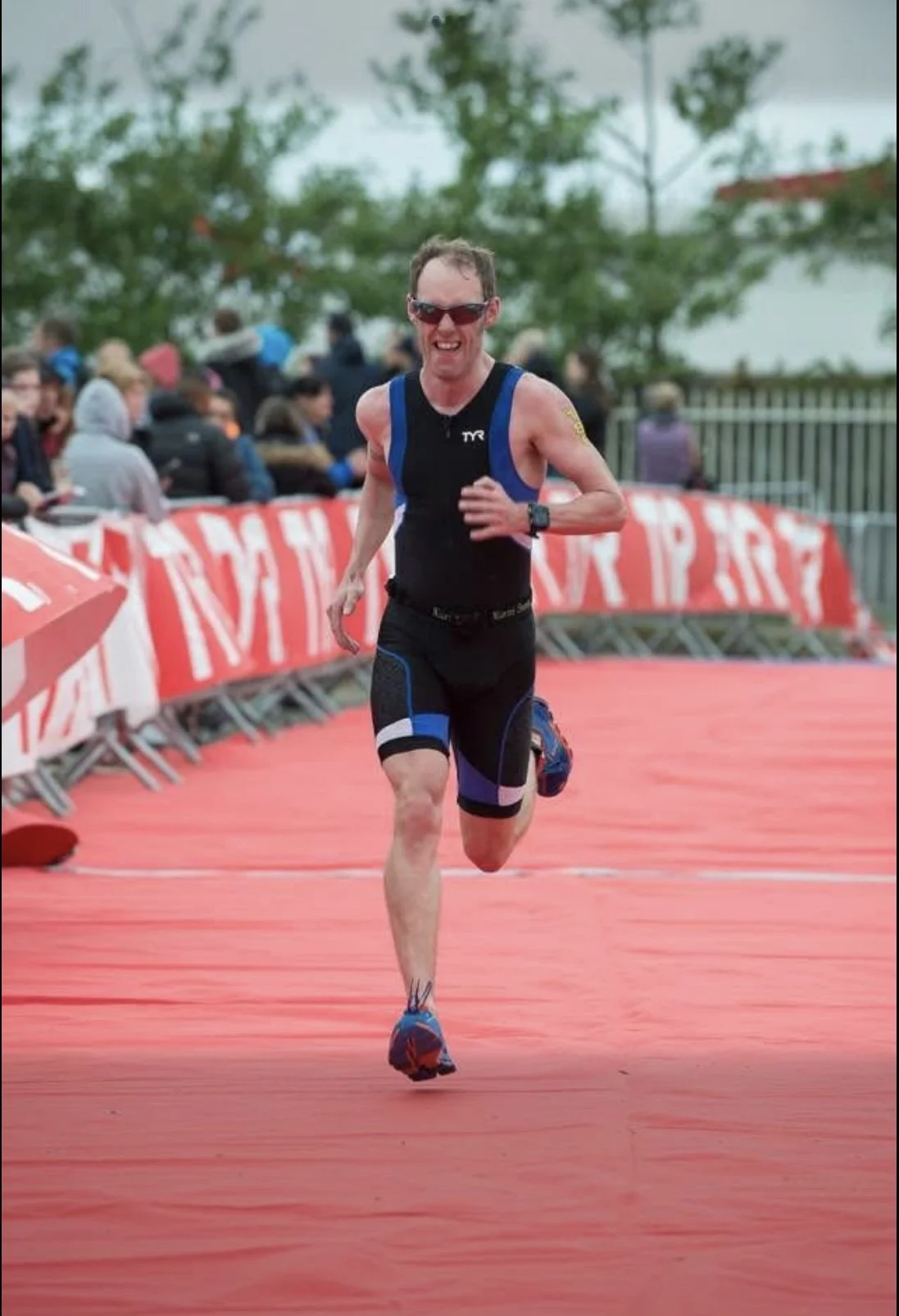
Karl has always been active; he was a keen cross-country runner and reached county level at school, as well as being in the school sprint relay team. Karl is determined and challenges himself. This may stem from Karl’s childhood; he was born with a spinal condition, which meant he had the possibility of being a wheelchair user. The condition was mostly corrected at a young age, although he still needs to be extra careful of his back. Karl has been taking part in triathlons regularly for over 10 years. Other interests included rock climbing, scuba diving, and he has even completed a solo sky dive
See Karl’s most recent athlete feedback
Q&A with Karl
When did you get into Triathlon? Not counting a mini one I did as a teenager, 2014
How did you first get involved in Triathlon? I sort of stumbled into Triathlon. My partner Jude and I were doing a lot of bike sportives, I’ve always been a keen runner, and we were also building up our swimming as part of our PADI Divemaster training. A friend jokingly asked if we were training for a triathlon. Jude said confidently, “Shall we?” So we did.
Why did you choose to take up coaching? I have always loved helping people develop. Even at school, I helped with some class quizzes or encouraged classmates trying to get into the athletics or cross country squads. Outside of Triathlon, along with the B&B, coaching/training is my profession, so it just seemed a natural step. I was doing it informally, so why not actually educate myself to get better at helping people achieve their triathlon goals?
What is your greatest athletic achievement? In Triathlon, representing GB in the Age Group at the European Sprint championship.
What is your greatest coaching achievement? Well, at this early stage, to quote one of my triathletes who posted on the local club FB page. “Thank you for that awesome session. Between you and me, I was terrified of Open Water before the session. But now I can’t wait to go back in”.
What one piece of advice would you give someone new to Triathlon? Smile, enjoy the experience, and don’t get pulled into thinking you need to do a 70.30 or IM distance straight away to be called a triathlete.
Favourite quote: Always look on the bright side of life.
Read Karl’s latest blogs
Mantras – what do they really mean and how can they help?
Many people have mantras, either for how they live their lives, or relating to how they turn up and train. In this small series, Coach Denise looks at the mantras which have meaning to her personally, and shares how they help her with both life and training.
Mantras – what do they really mean and how can they help?
Many people have mantras, either for how they live their lives, or relating to how they
turn up and train. In this small series, Coach Denise looks at the mantras which have
meaning to her personally, and shares how they help her with both life and training.
Many people have mantras, either for how they live their lives, or relating to how they turn up and train. In this small series, Coach Denise looks at the mantras which have meaning to her personally, and shares how they help her with both life and training.
With the increased participation of women in triathlons, there has been a corresponding rise in the number of female athletes training across the three disciplines. For training to be practical, it needs to be consistent, which means showing up regularly. This can be difficult in terms of finding the time, but lack of confidence is also holding women back from participating as fully as they could. In this blog, Coach Denise examines strategies to build confidence and continue training.
With the growing number of women participating in triathlon events, there has been a corresponding rise in female athletes seeking effective training methods. Squad training, either through traditional triathlon club memberships or virtual squads, is a widely recognised approach. Coach Denise explores the advantages of squad membership, particularly for female triathletes.
It's common for athletes to feel pressure to perform well for others, but genuine pride from loved ones comes from an athlete's attitude, daily habits, and dedication to training, rather than a single race result. This article explores how a continued application of good habits is more impactful on others than a single race result.
Endurance athletes are often caught up in their next dream. Whether trying to win an age group, qualify for a championship, or simply complete their first race, these goals ignite their passion and drive. At the beginning, when their motivation is high, training seems effortless – of course, the athlete wants to complete their goal, and they tell everyone what they want to achieve. However, there is a subtle yet significant difference between wanting to achieve these goals and being willing to do what it takes to get there.
This article explores the concept of coachability and how mindset, vulnerability, and self-talk play vital roles in an athlete's development. It discusses the differences between fixed and growth mindsets and explains why openness to feedback and embracing vulnerability are crucial for success.
Every woman knows that their period has an inconvenient habit of showing up when it is least wanted. Training can be adapted to suit the menstrual cycle but race day can’t be changed. In this blog Coach Denise looks at how athletes can manage to race around their periods.