
TTH Swim 1-2-1 Workshops
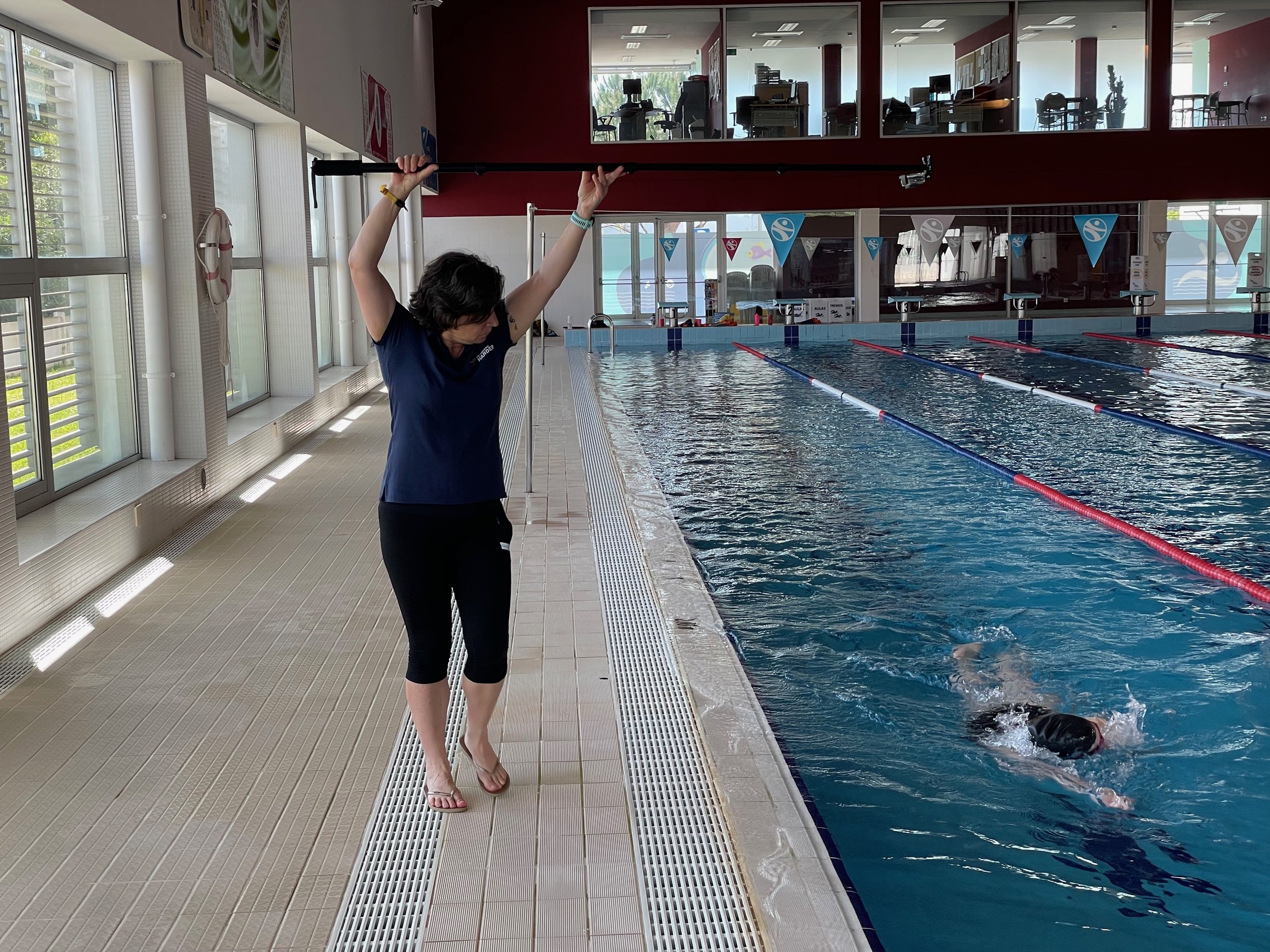
Tri Training Harder’s 1-2-1 swimming workshops puts you in front of our expert professional coaches and gets you the simple feedback you need to improve your swimming. We don’t follow a method, or type-casts of swimmers, we look at you, your movements and identify the best path for you to improve your swimming based on your personal biomechanics.
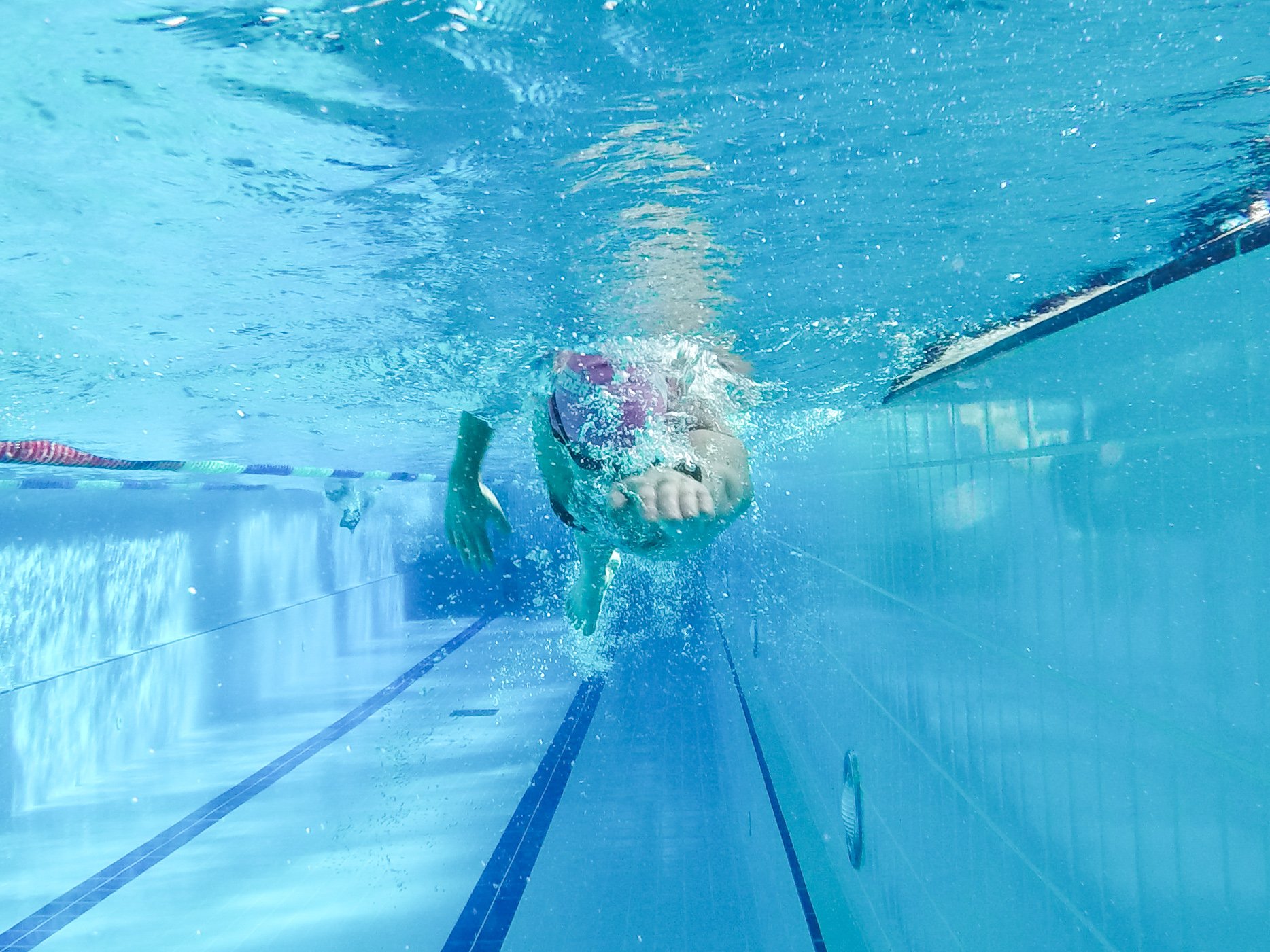
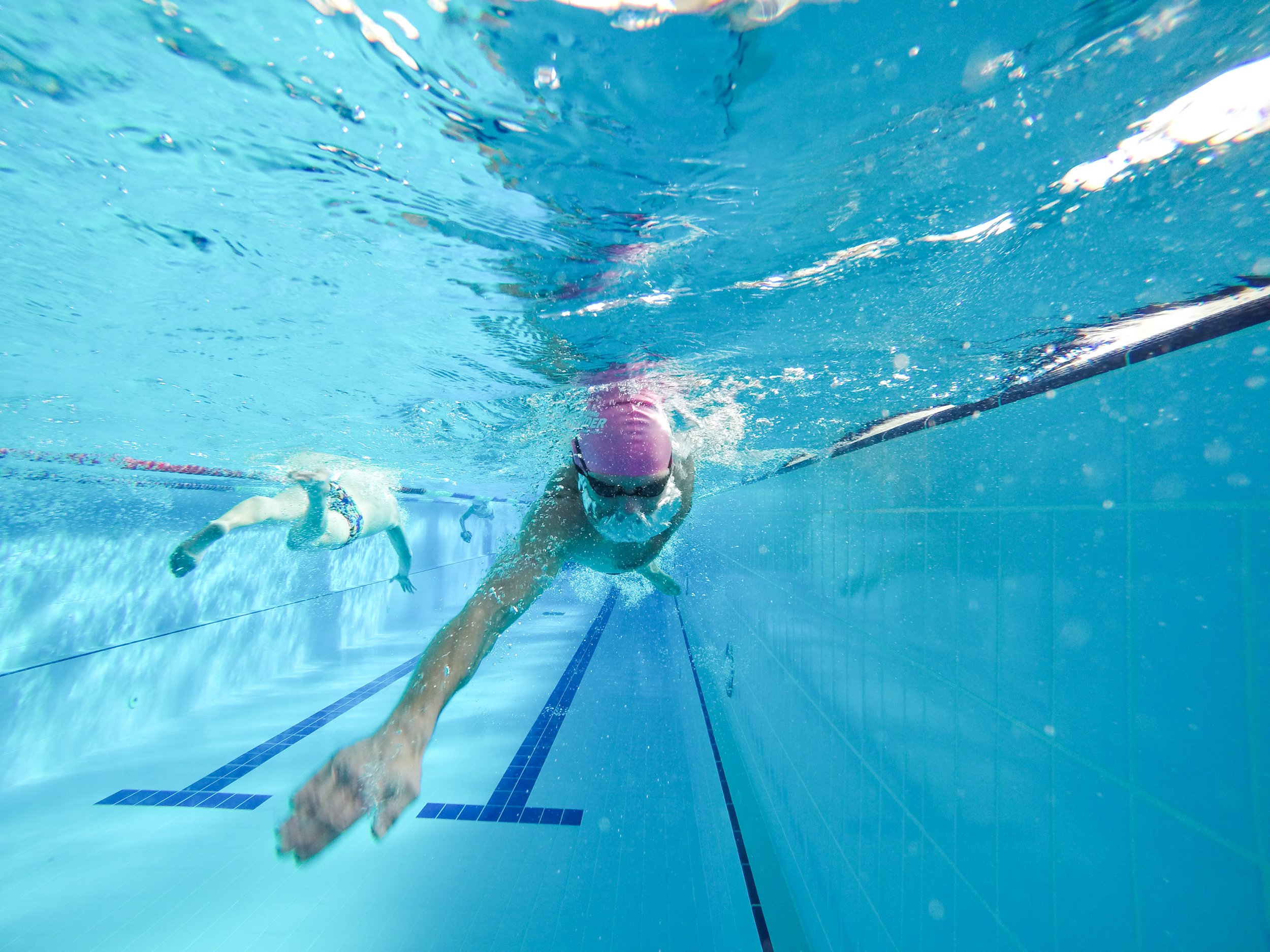
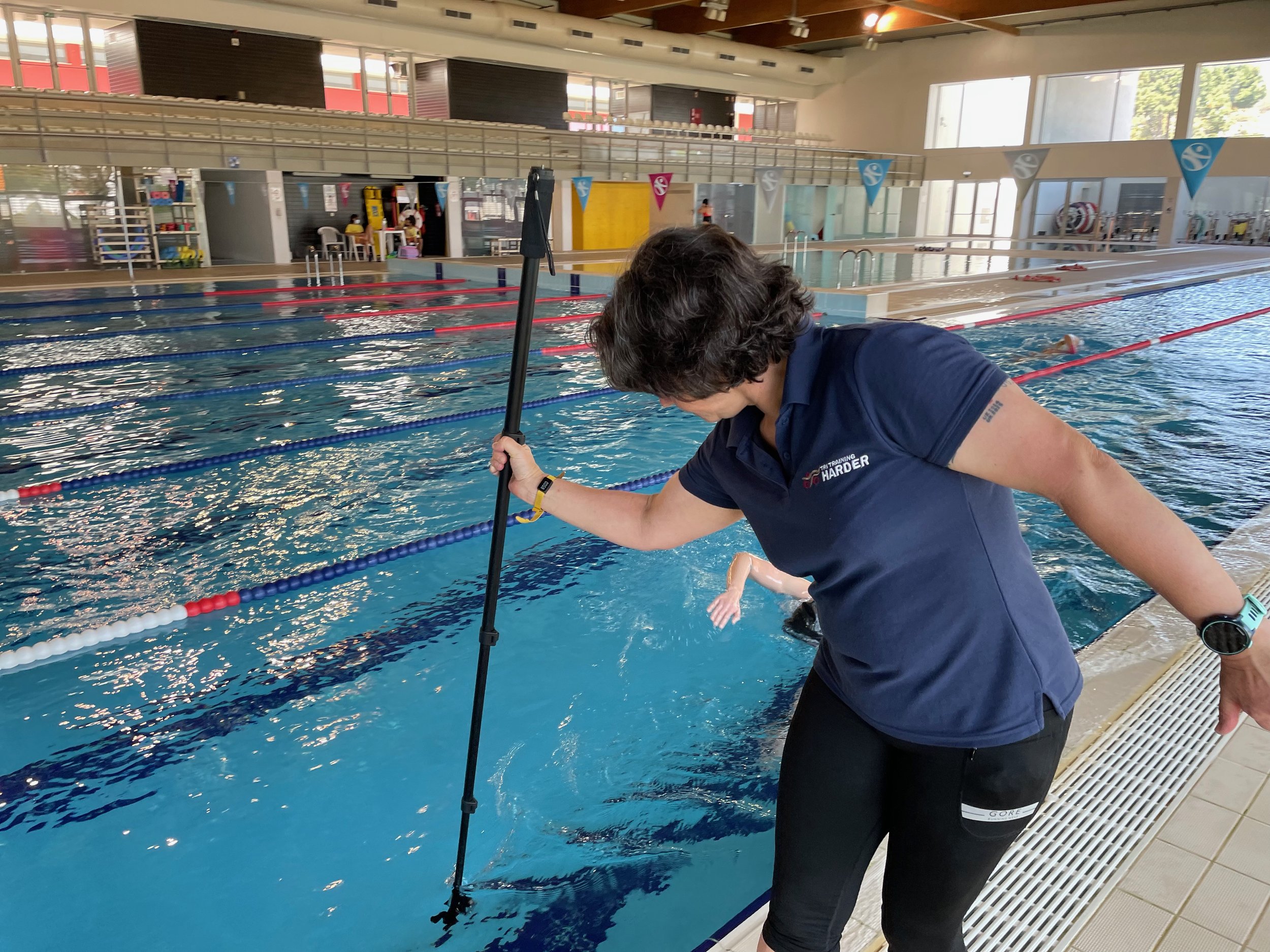
A coach will look at how you swim, take a video of your swimming and review it with you. Thereafter they will work with you on drills or exercises to help make a meaningful difference to help you improve.
After the session, you will receive an athlete report card to take your key points away with you and build your training around those tips and advice.
Most of these sessions are created for the athlete, so have a look at our coaches’ pages to learn where they are based, as this may help you work out what we can do or who is nearby.
Locations:
West Lothian and Fife, Edinburgh Region Open Water
£30 for 30 mins with Coach Denise in the Edinburgh Region.
Abingdon School, Oxfordshire 1 hour 1-2-1 workshop
£112.50 for 1 hour with Coach Philip at Abingdon School pool on a Sunday afternoon (15:00-17:00).
These are organised directly, so please contact us with some available Sundays and a preference of your time (15:00 or 16:00), and we will organise it for you.
We cannot do filming in this session as we do not have exclusive use of the pool.
Virtual
You will need to send a video of your swimming to our coaching team. We will then review it, and set up a video call to speak on a 30-minute consultation to you about it and what you can do to improve, they will send you an athlete report afterwards.
The cost for that will be £40-80, depending on the coach you request to do the analysis.
These can take place at any time. Contact us to set this up.
In-Person
Most of these sessions are organised ad hoc by the athlete. Contact us to set this up.
Fees will include the coaching time prices will range from £55-£120 for an hour depending on the coach doing the analysis, and there may well be additional fees for facility hire, travel etc, on top of that.
These sessions are usually completed for one individual, but we can arrange discounts for more than one individual.
Recent Articles on Swimming
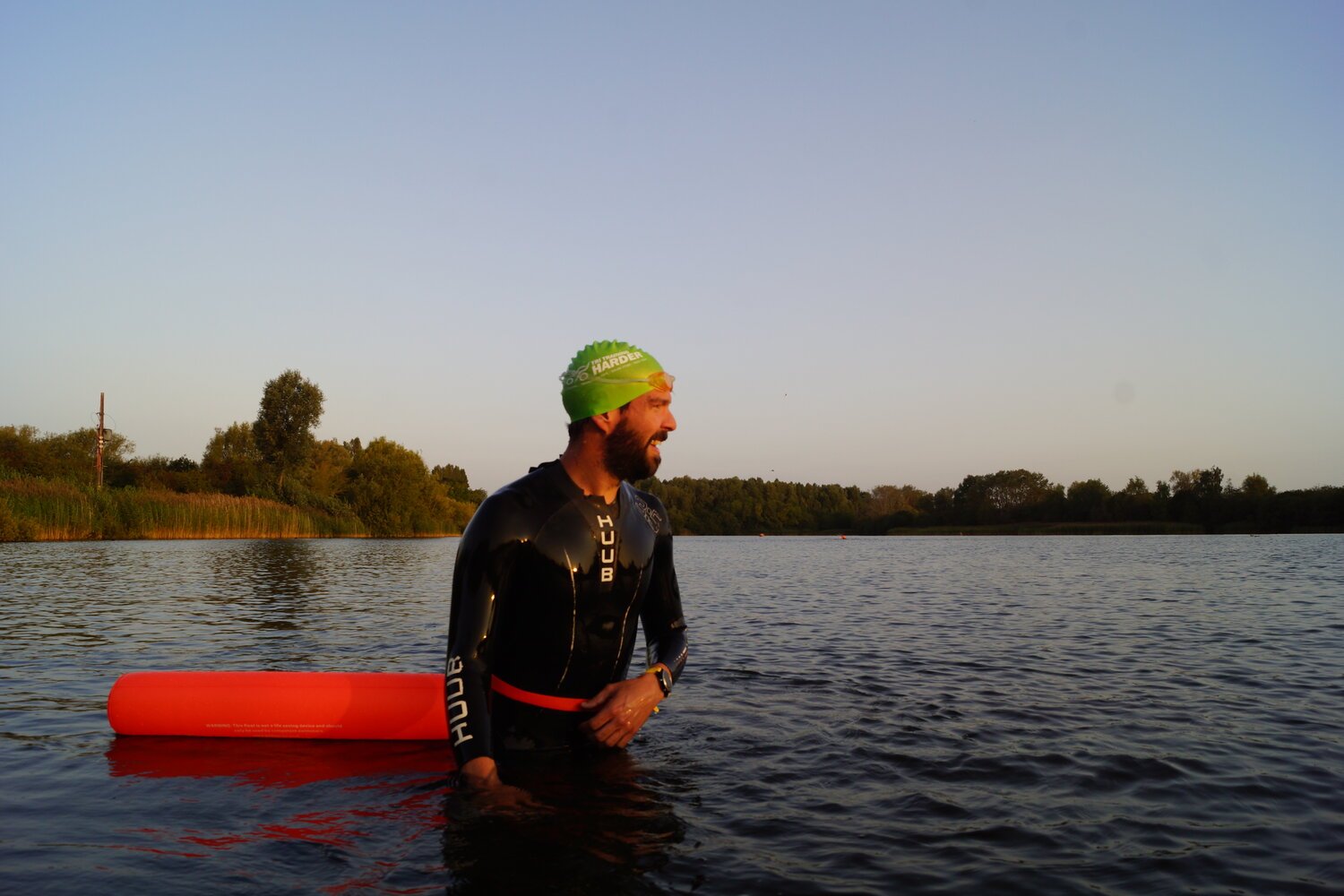
Open water swimming has grown in recent years, after many people discovered it when swimming pools were closed during lockdown. From this start, a growing group of swimmers are looking to take their regular open water dips to the next level. This may be in improving swimming ability, looking to participate in longer swims or wanting to compete against other swimmers in races. In this blog Coach Denise looks at how you can move effectively from swimming for fun to becoming an accomplished, confident swimmer.

At the start of race season, as thoughts turn to open water swims, one of the key considerations is, just how do you swim comfortably in cold water. In this article Coach Denise uses her extensive experience of swimming in Scotland to look at how best to make the transition from the pool to outside, helping you to have the best swim leg you can.
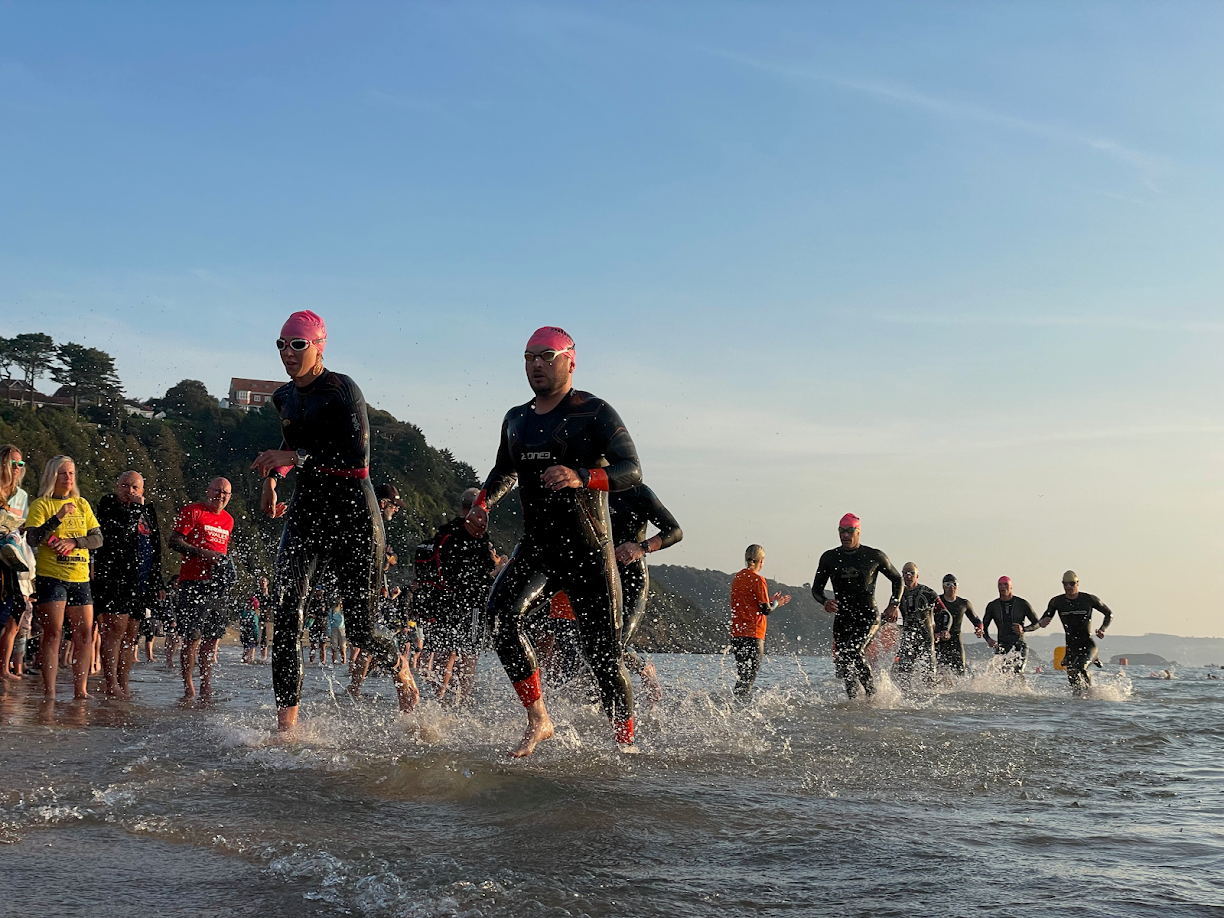
Being able to swim in a pool is not quite the same as being able to swim in open water. In this latest article, Coach Rita explores her learning experience when she took an open water swim session with some British athletes and her surprise at the skills gap between their swimming ability and open water experience.

It is that time of year when it is cold outside, and often, the focus can turn towards the gym or the pool. In this article, Coach Alan will look at some details of how you build on solid foundations to improve your swimming.
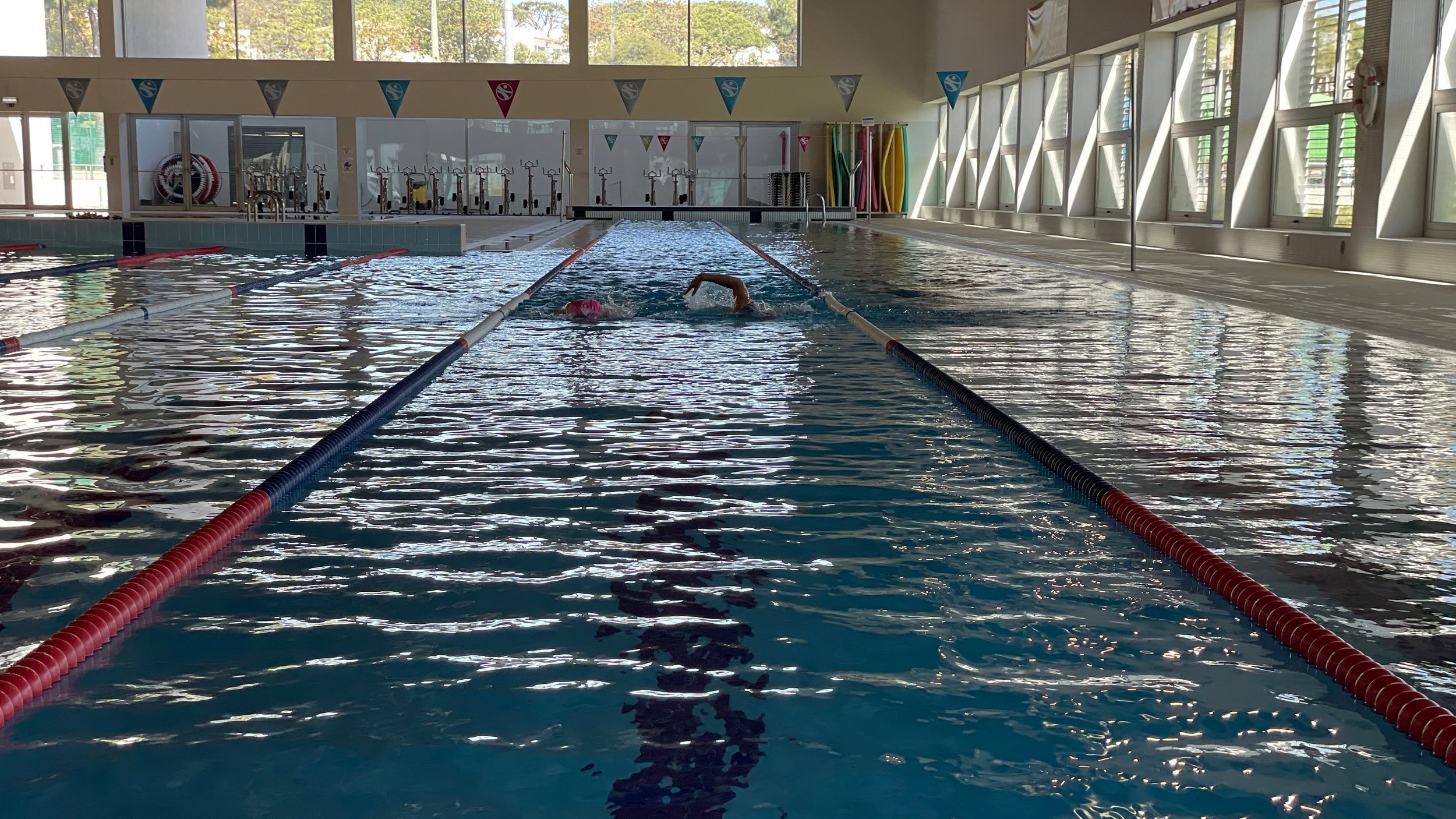
Swimming pools come in different shapes, sizes and characteristics, in this blog, Coach Diogo, answers one of the most commonly asked questions; which length of swimming pool is best?
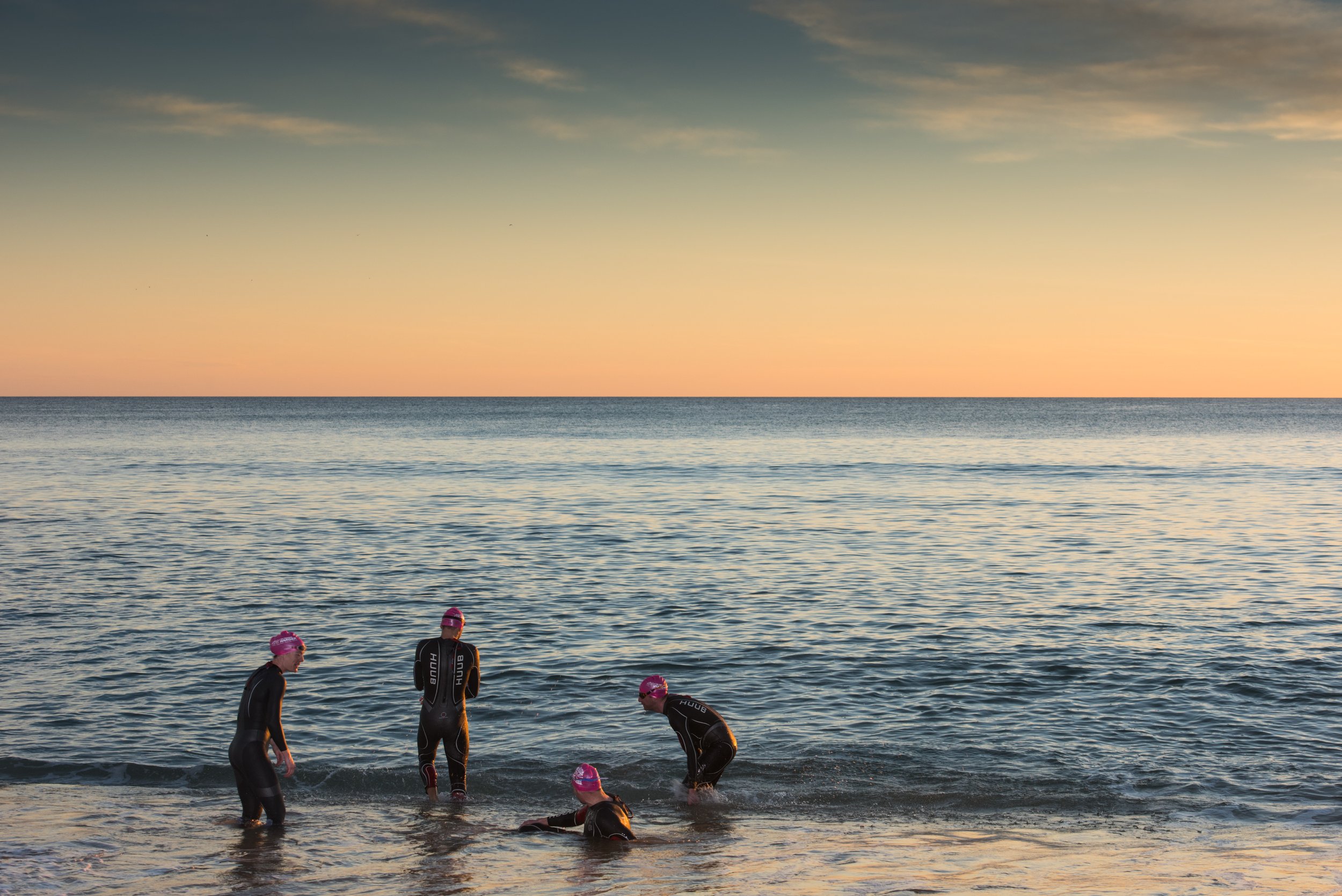
Most triathlons feature an open water swim, and familiarity with the water really helps on race day. Many triathletes swim in their local lakes, rivers or sea during training season but stop once the water and air temperatures drop. In this article, coach Denise looks at why and how you can swim outside all year round.
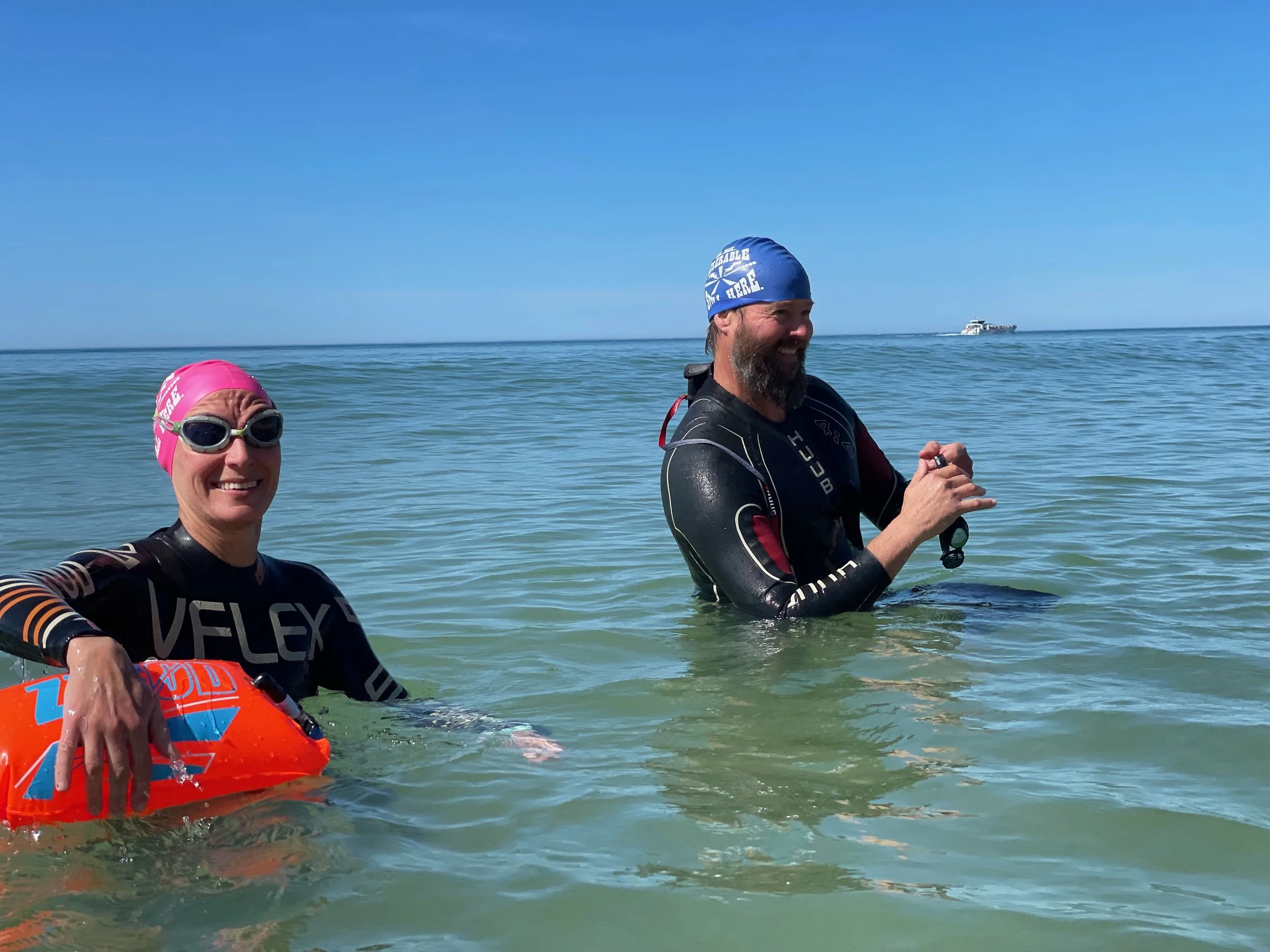
One of the most important parts of swimming outside in a race is swimming straight. Sighting is critical to this; seeing where you are going helps too! Foggy goggles are a persistent problem; Coach Denise looks at how to keep your goggles fog-free.
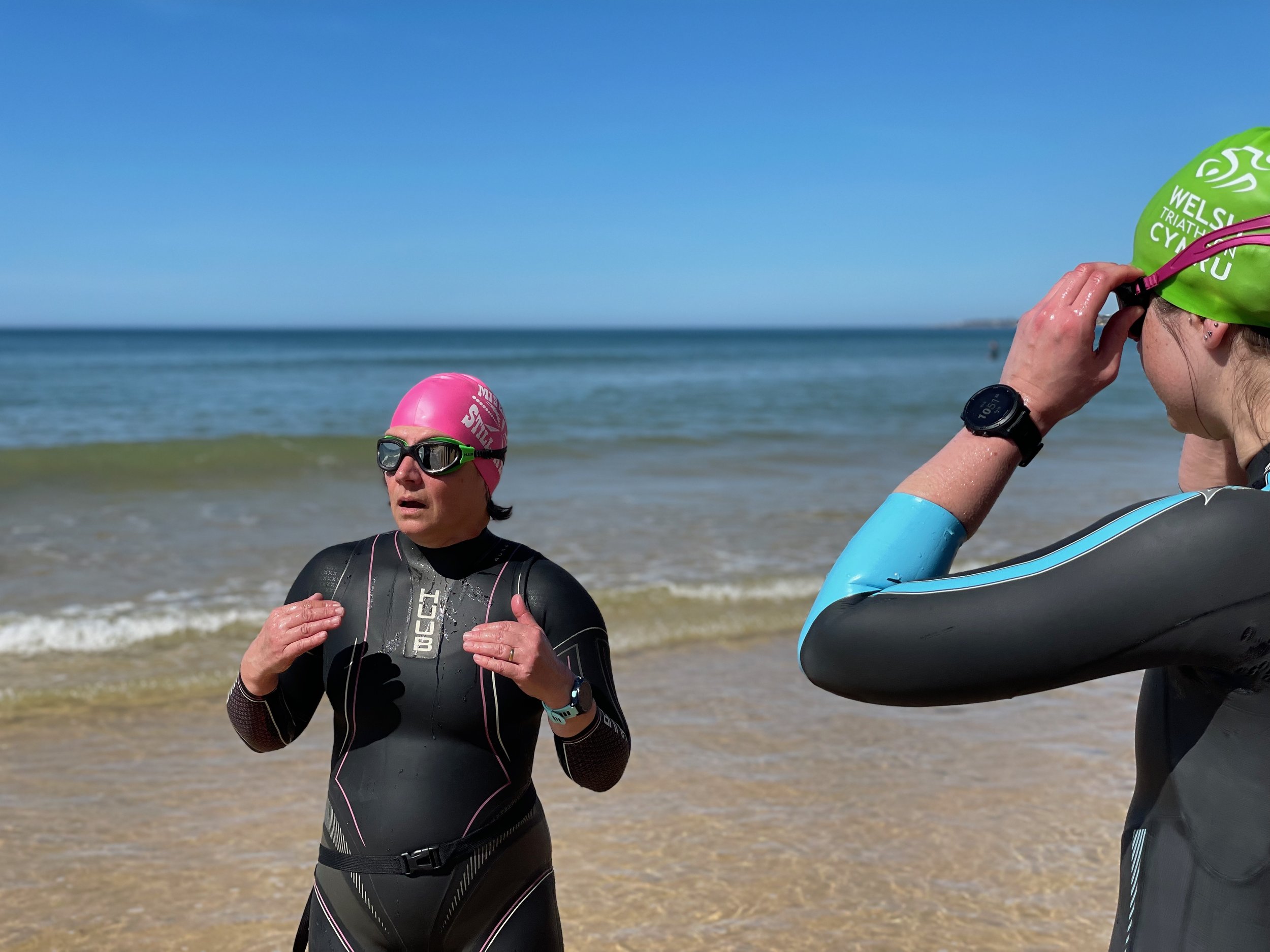
In most triathlons, the swim takes place outside, either in a lake, river or the sea. Training in a similar environment makes sure you are fully ready to take on the first leg of the race and gives you a chance to test out all of the race kit, especially your wetsuit. Your wetsuit is likely to be the most expensive item of equipment you have for swimming, and looking after it is crucial. In this article, Coach Denise looks at why it should be cleaned and how to do it.
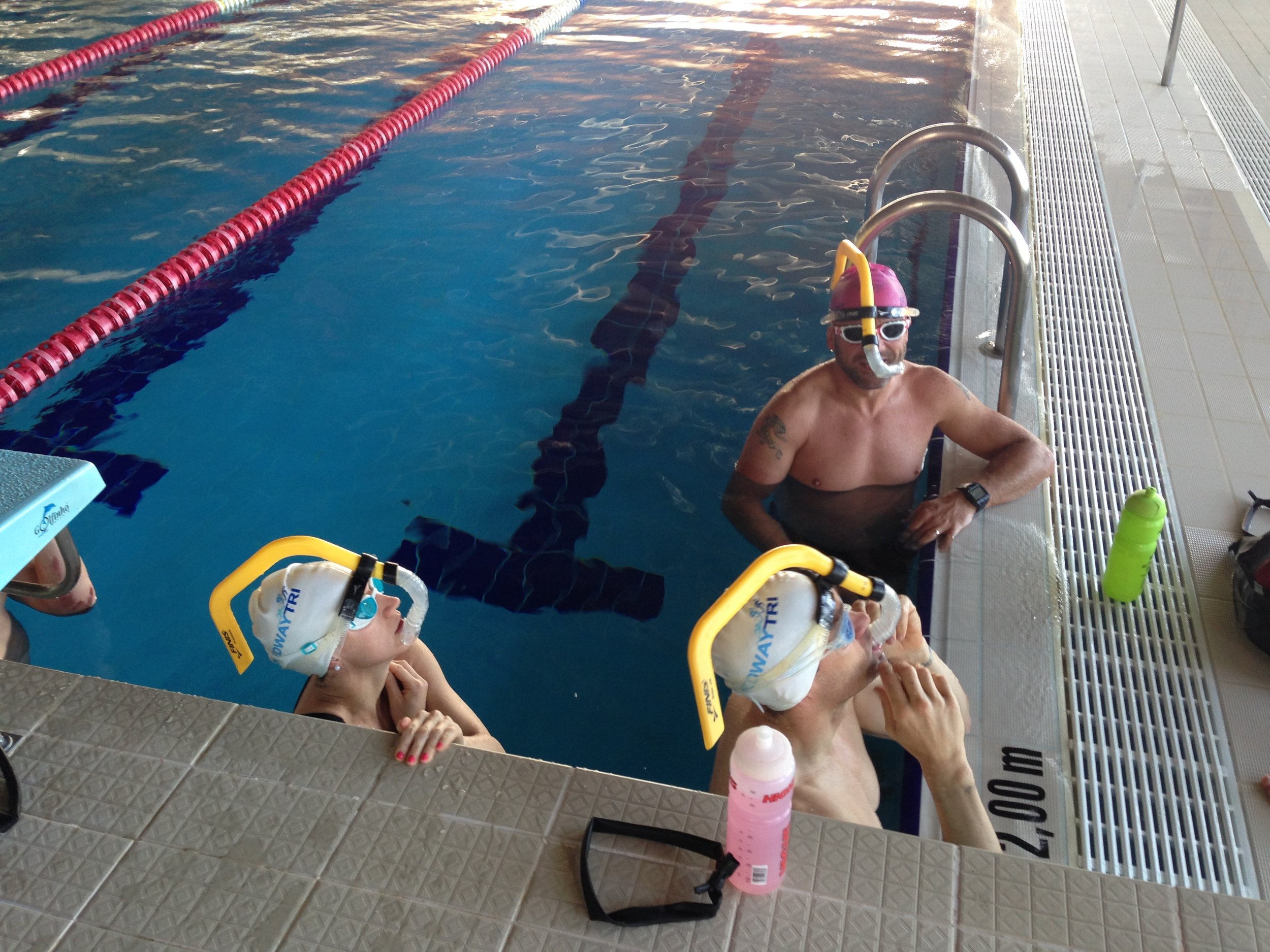
There are many swim tools and toys available in the swimming world. Some are favoured more by triathletes than by pure swimmers and vice versa. In this blog, coach Jon looks into the equipment that can help you improve your triathlon swimming performance.

Often triathletes reach for the open water early season to get ready for their first race. Initially, this dive in may be more about braving the cold than anything that can resemble a decent training session. For time-starved athletes, there may be a questionable benefit of a short swim with travel and preparation/changing time) included. Read on to find out how to make the most of the open water swim sessions.

In this article Coach Alan writes about how the recovery part of your swim stroke can play a significant role in your performance. Swimming is renowned in age group triathlon for often being the difficult ‘one’, the one in which no matter how hard you try it doesn’t seem to get any better. Often this is put down to a lack of ‘correct’ technique, but was it correct technique? In this instance which is correct: a straight arm recovery or a high elbow recovery?
‘It depends’ is often the coach’s default answer but in this article, Coach Alan will try and explain ‘how’ it depends.

At last swimming in the pool returns for our UK athletes! Here Coach Alan writes about how this is an excellent opportunity to ingrain some excellent habits that could see you swimming faster than pre-pandemic.

As we return to the water Coach Alan revisits and updates this article on that mythical part of the freestyle stroke, ‘the catch’.

With open water swim venues in the UK gearing up to open, shortly followed by indoor swimming pools, it’s finally time to think about getting back in the water! With races planning to run only a few weeks later, how can we prepare ourselves to race in the open water with such a short lead-in? Coach Jon gives us his top race day tips.
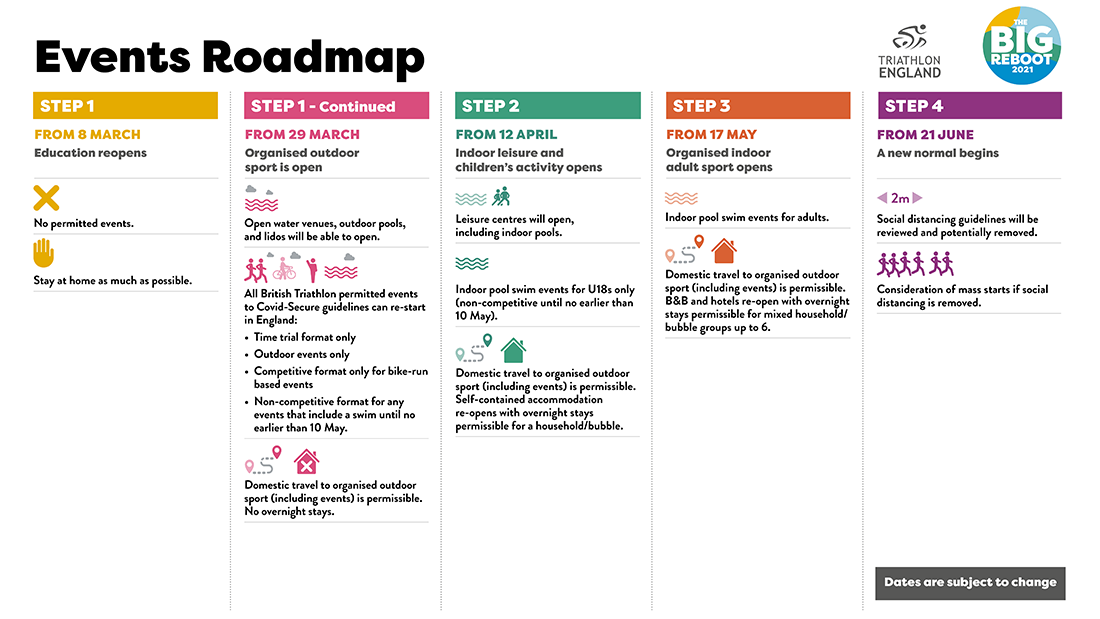
As we are provided with a roadmap to when pools and events will open up in the UK, Coach Kevin gives us clear instructions on preparing for the return to swim training in the pools after what has been a long time out of water.
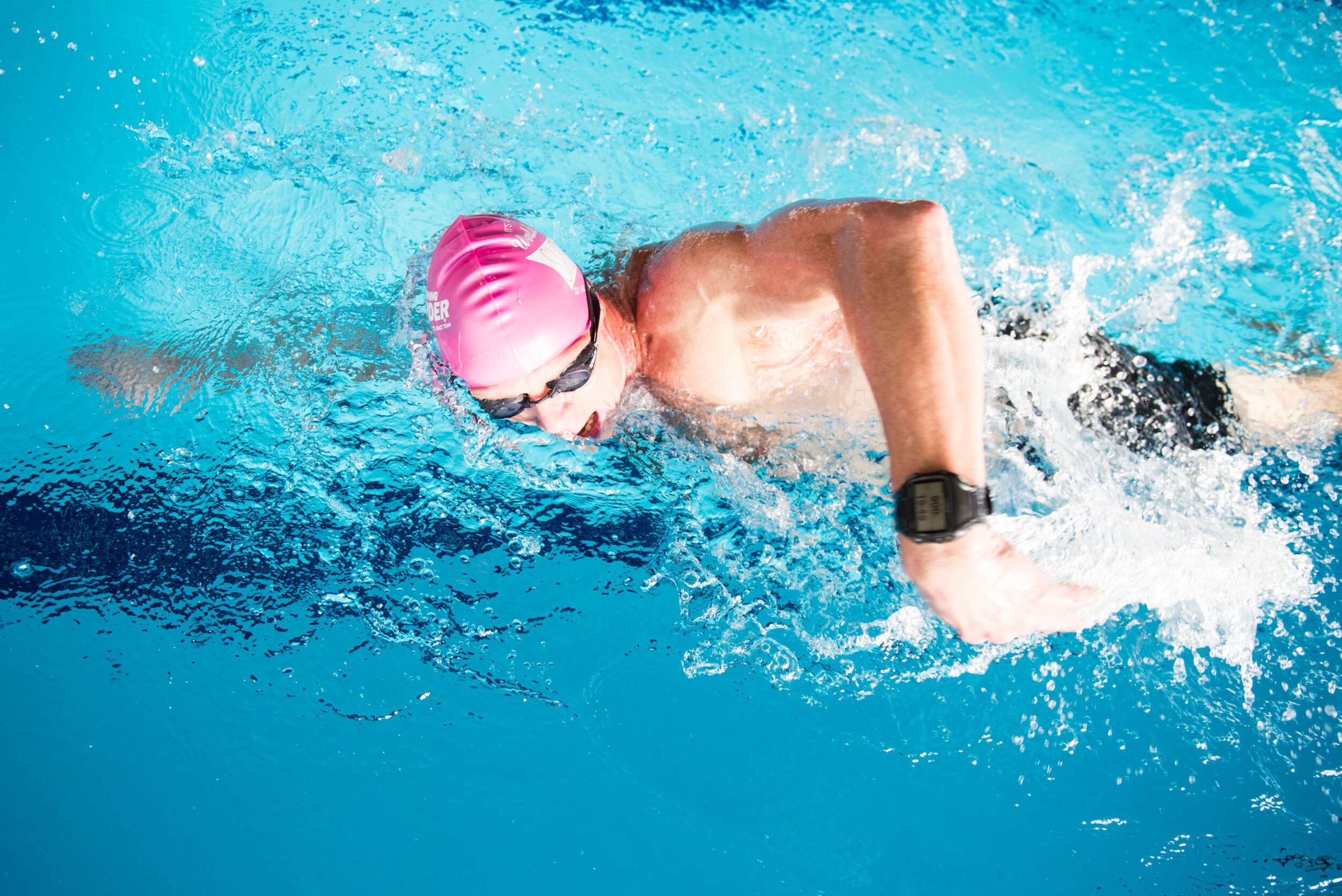
Coach Tracy discusses the benefits of virtual land-based swim training, having already witnessed the success of the first TTH-swim-live program that has been implemented since January.

We find ourselves able to swim in open water before going back into the pools due to this pandemic. How much we swim will depend on the water temperatures, of course, but how can we prepare for open water swimming? Coach Tim Ansell discusses.

Here Coach Tim talks us through how to improve your swimming warm up to get the most out of your swimming and bring this process to your summer races where ‘easy swimming’ just doesn’t happen!

Open water swimming can be a big limiter for a lot of people’s enjoyment of triathlon. However, it really doesn’t need to be. With more and more open water events becoming inclusive and the accessibility of open water swimming venues, Coach Soraya gives you some top tips to overcome any anxiety you may have and how to learn to love the open water environment.

Triathletes love gadgets and toys, it’s a fact – just like they love lycra! Triathletes all love the latest model of almost everything and we are always looking for the next update or upgrade on our cycling or running kit but when was the last time you saw a triathlete invest in their swimming kit?

Mindset is everything if we can remove those perceived barriers to improvement the floodgates can potentially open and breakthroughs made. So how can we re-frame our swimming away from drills and into skills?

Here Coach Alan helps you solve your swimming problems. It is time to get rid of any excuses and ‘Just keep swimming!’

The fourth (or fifth if you include nutrition) discipline is the conditioning work we can do in the gym. As most triathletes have access to a pool already, but do they take advantage of the gym bolted onto the side of the pool? Read on to work out why this should be underpinning your other three sports.

Keeping training on plan and IRONMAN specific as well as conquering the open water are two big considerations for IRONMAN athletes in their final block of training. Maintaining focus in training and overcoming a huge barrier to IRONMAN events (the open water swim) can prove problematic for some athletes. In this blog we' will try to guide you through these two areas of your preparation.

Once in a while with training, it is good to learn a new trick. This blog will help you get to grips with the benefits of learning to dive and also the basic coaching points associated!

Having attempted Session 1 let's perhaps move on to three specific parts of open water to work out how to progress with your open water skills, confidence and performance.

Here is a quick set to consider doing before you next open water session – This is more than just trying to get as many loops done as you can!
The purpose of this session is to have awareness of different speeds while you are swimming. Throughout the whole session you will have to be sighting and you may even get the opportunity to settle into some drafting if you find another swimmer who is swimming at the right pace for you.
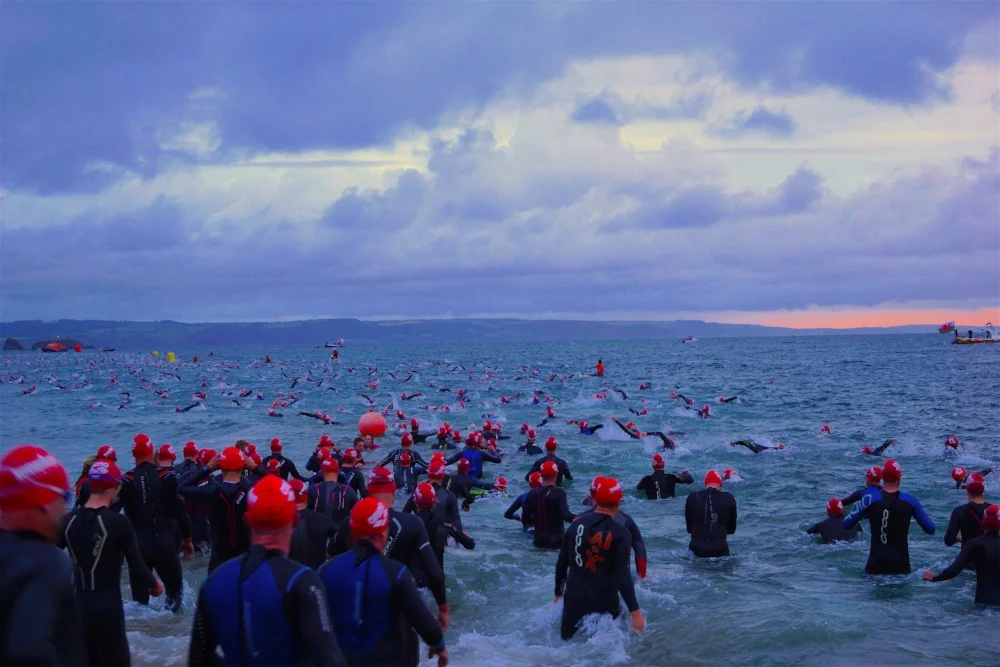
Here we break down what that formidable 1-hour IRONMAN swim looks like to help make the impossible become seemingly possible. For many people dipping below the hour is a fantastic accolade and will help you get out on the bike ahead of the madness that is the large group of athlete swimming just over one hour. Is it all to do with being a great swimmer, or is there more to it than that?

Have you ever come back from the off season and had your trusty triathlon buddy come back better than you? You know the scenario, you were always neck and neck in training sessions, that one person you could gauge whether you were improving or not by being able to keep up with them....and then suddenly, come Spring time - it's like they have been secretly training all winter and have left you behind!
Adult swimmers often overcomplicate swimming. There are too many gurus online offering quick fixes and ideas that ultimately lead to further complications. In this article, Coach Philip explores freestyle breathing and how to correct common mistakes.