

TTH Run Squads
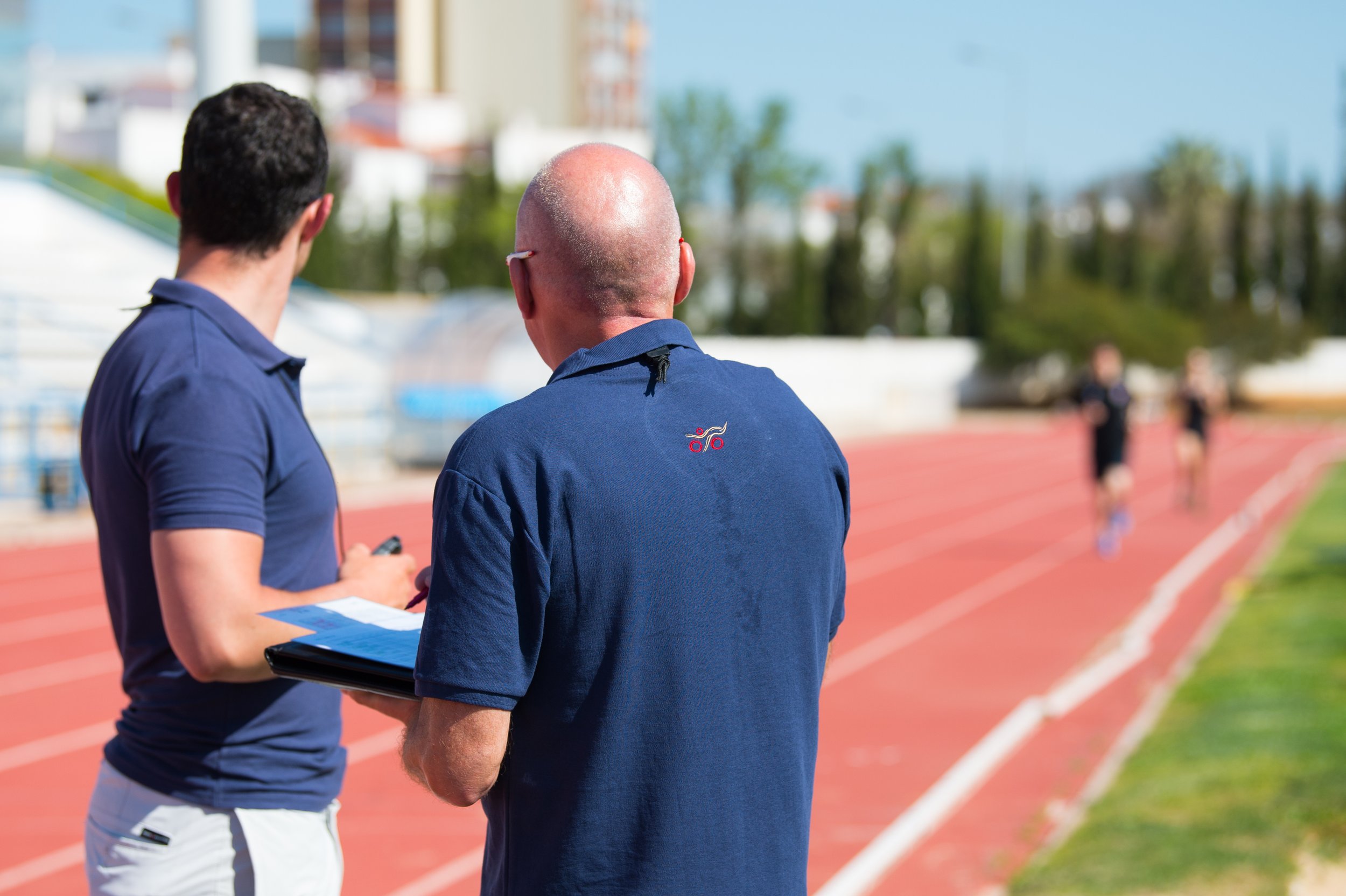
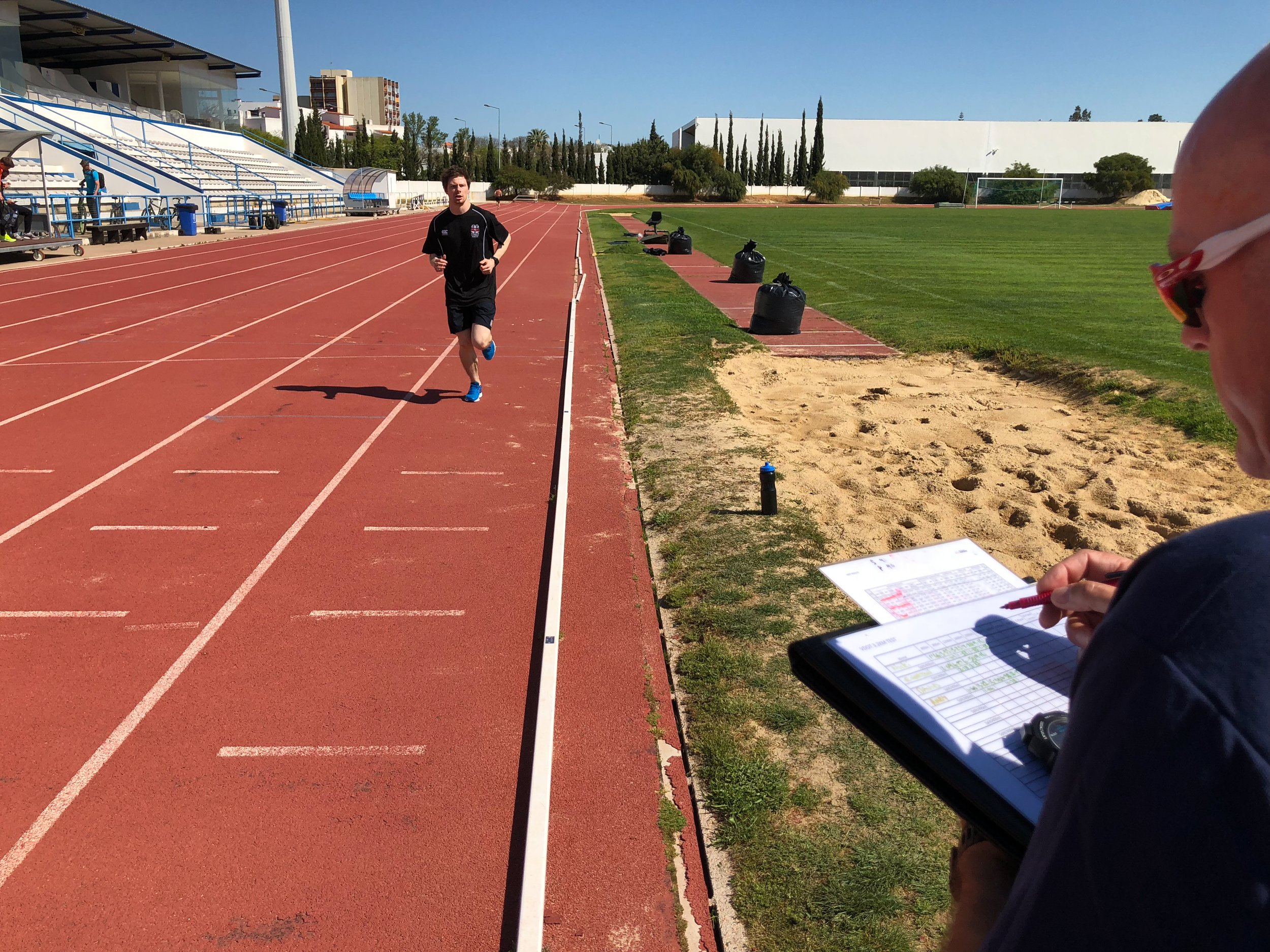
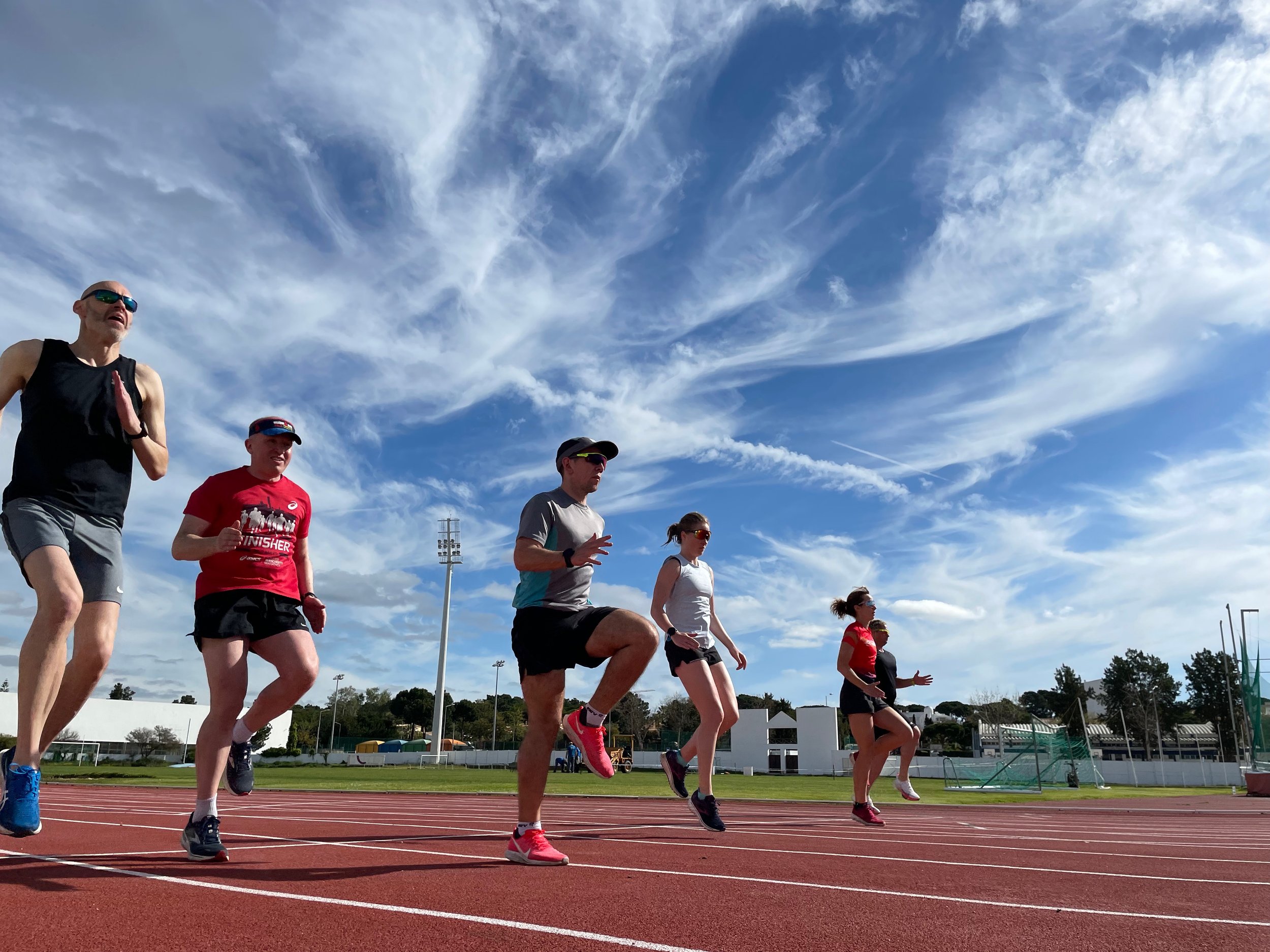
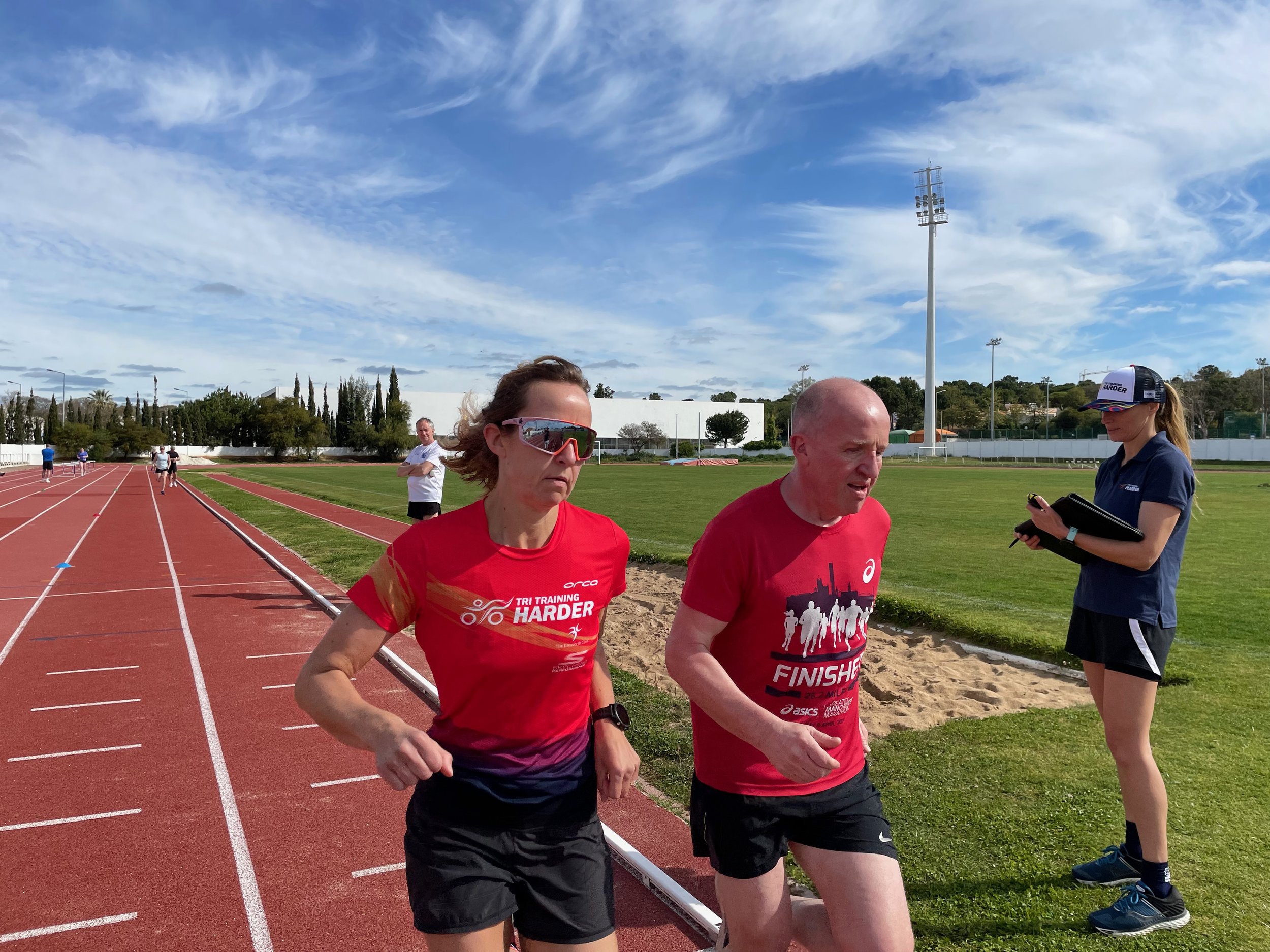
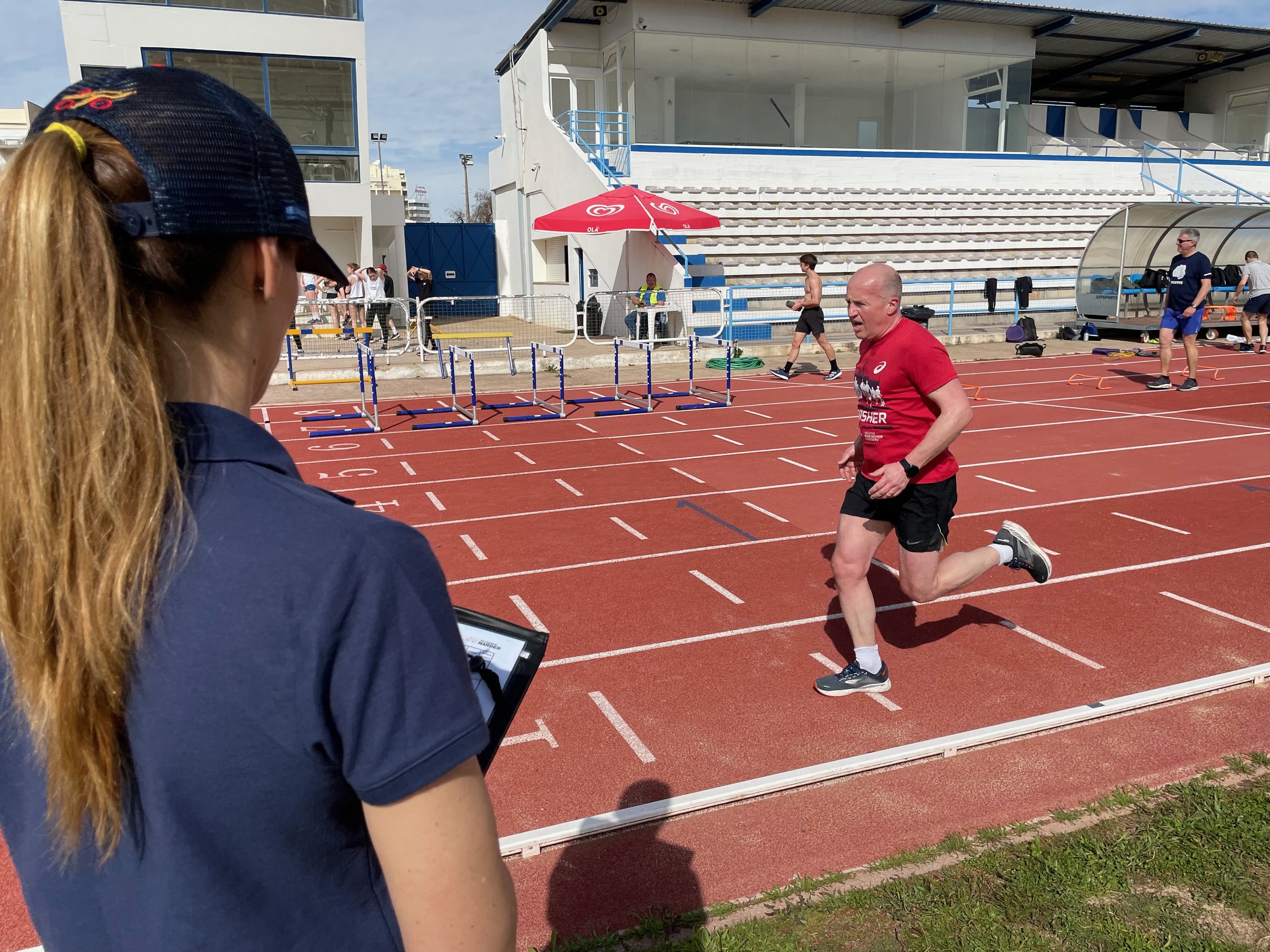
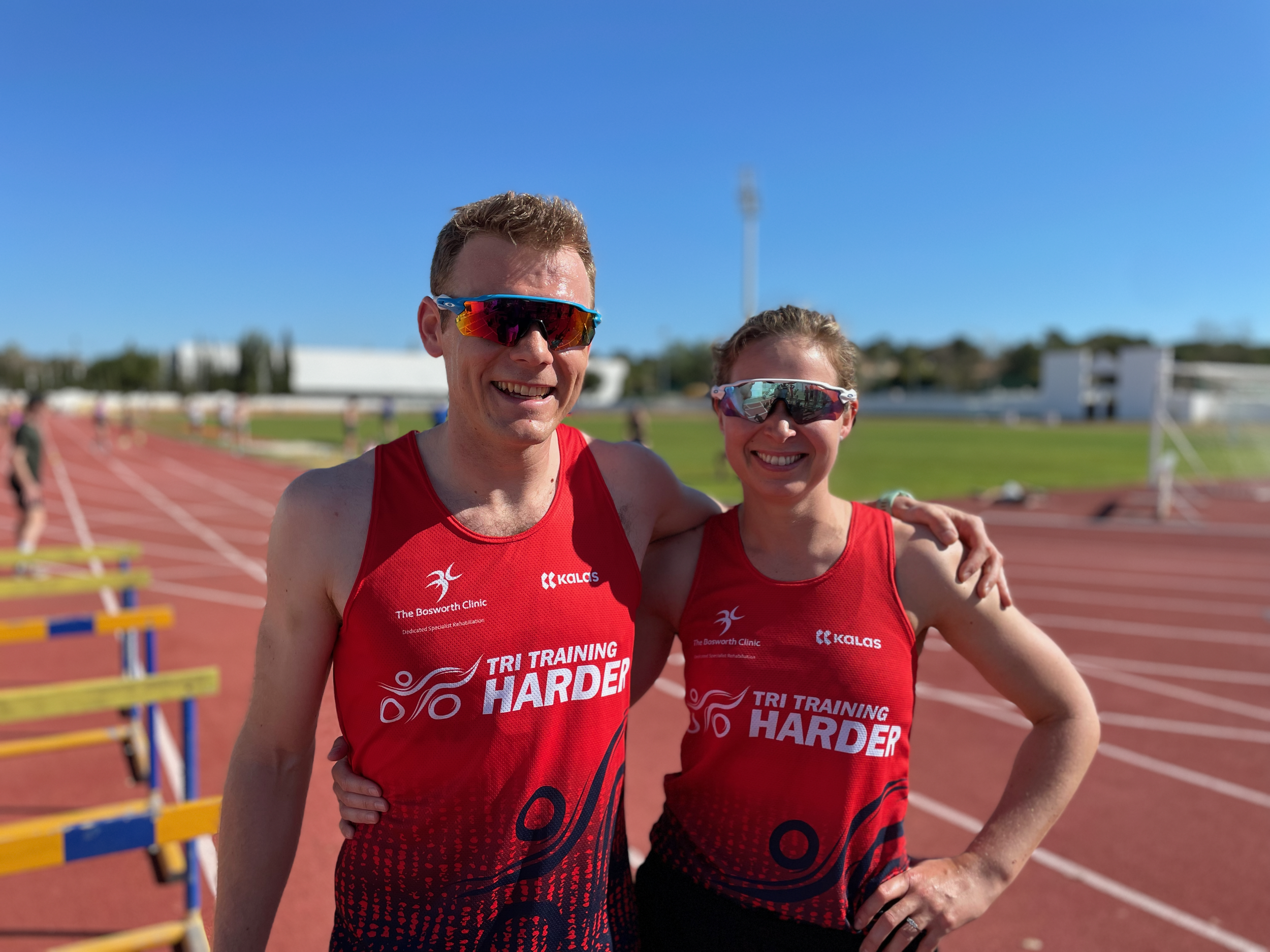
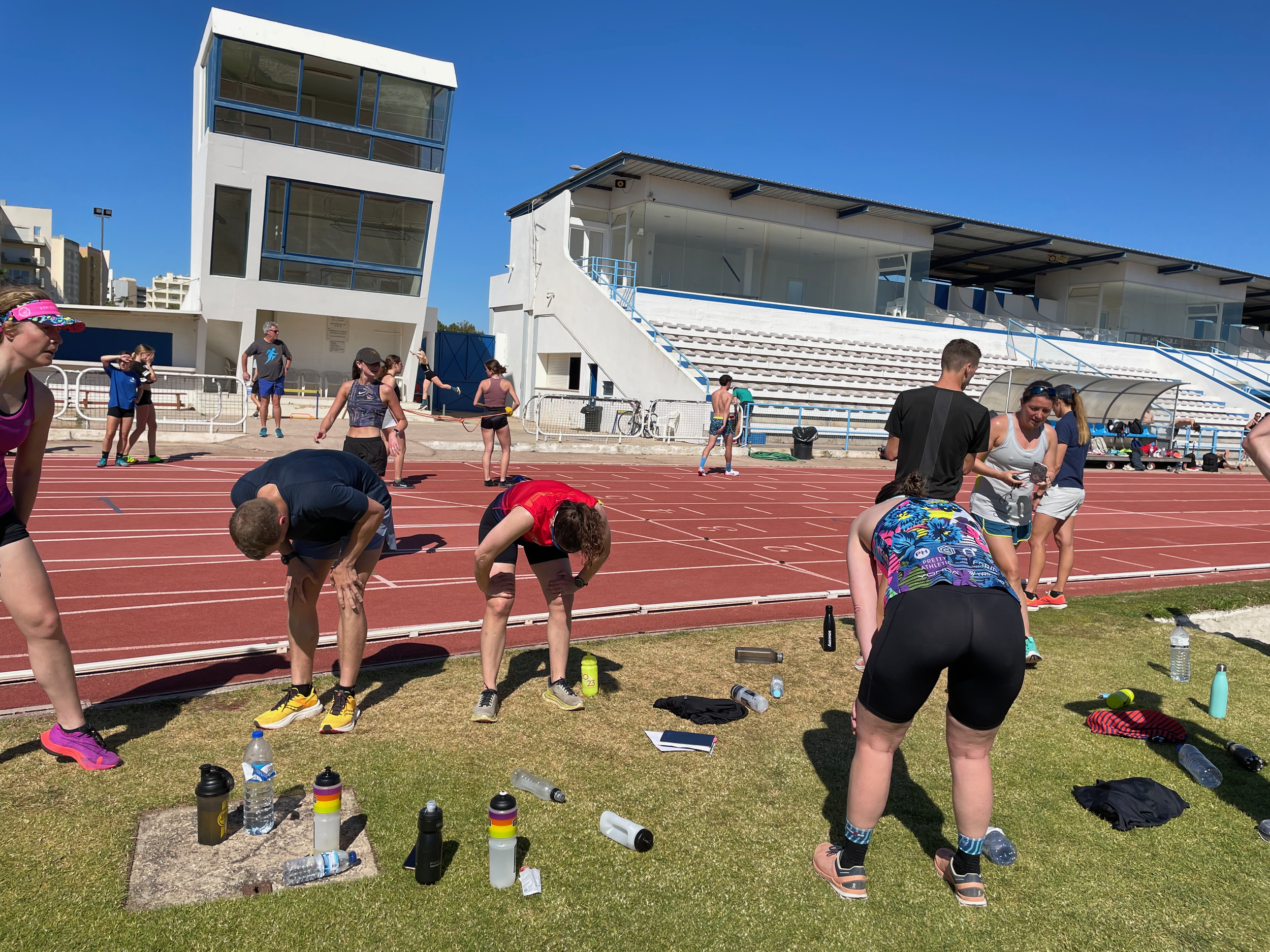
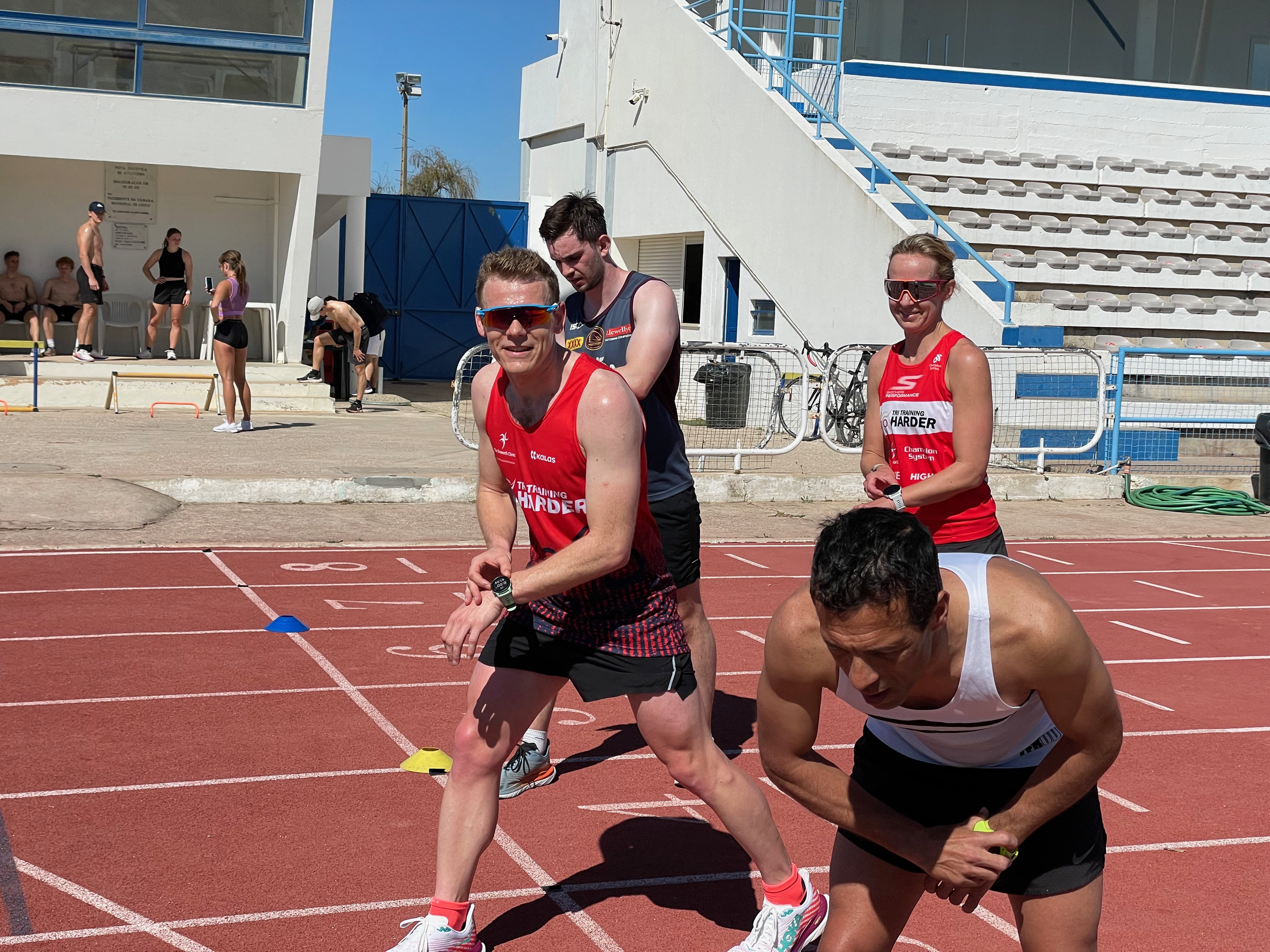
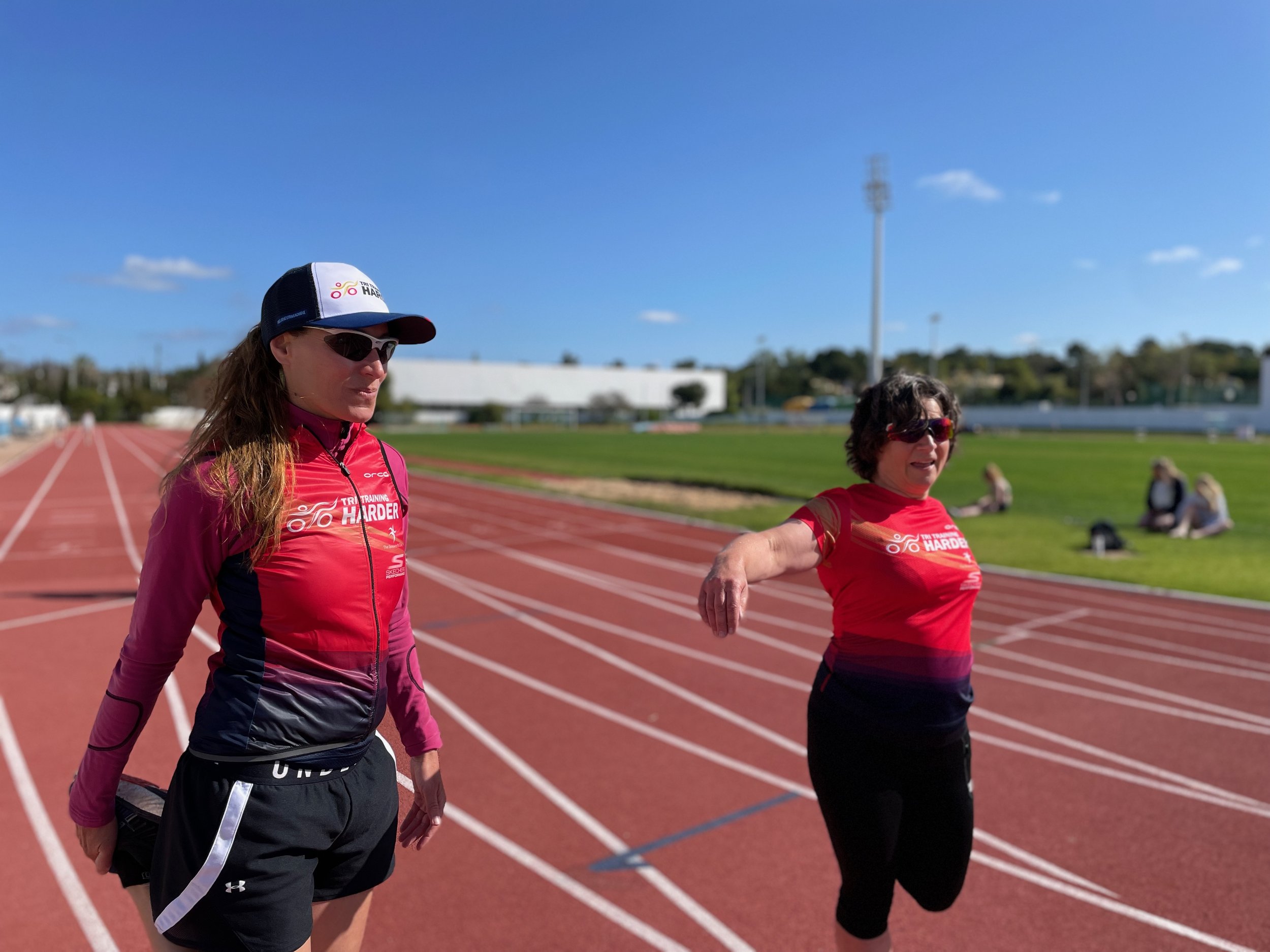
Tri Training Harder’s run squads build around the culture and the environment for performance with a strong community feel, too. We really are all in the sessions together! The sessions will be appropriate throughout the season following an annualised plan to be prepared for the summer racing season.
Please bring clothing to remain warm, fluids and any appropriate equipment.
Where applicable, juniors are welcome. Please see below for more information about junior squads.
Locations:
Tilsley Park, Abindgon, UK
Coached by: Philip Hatzis
Wednesdays 18:30-19:30, track access from 18:00-20:00
£6 PAYG, bundle and membership (full and half membership annual commitments) options available.
Free if you are a member of the TTH Swim Squad in Abingdon.
Discounted Annual membership for those swimmers who are half-members who want to upgrade and join all the run sessions.
Articles on Running
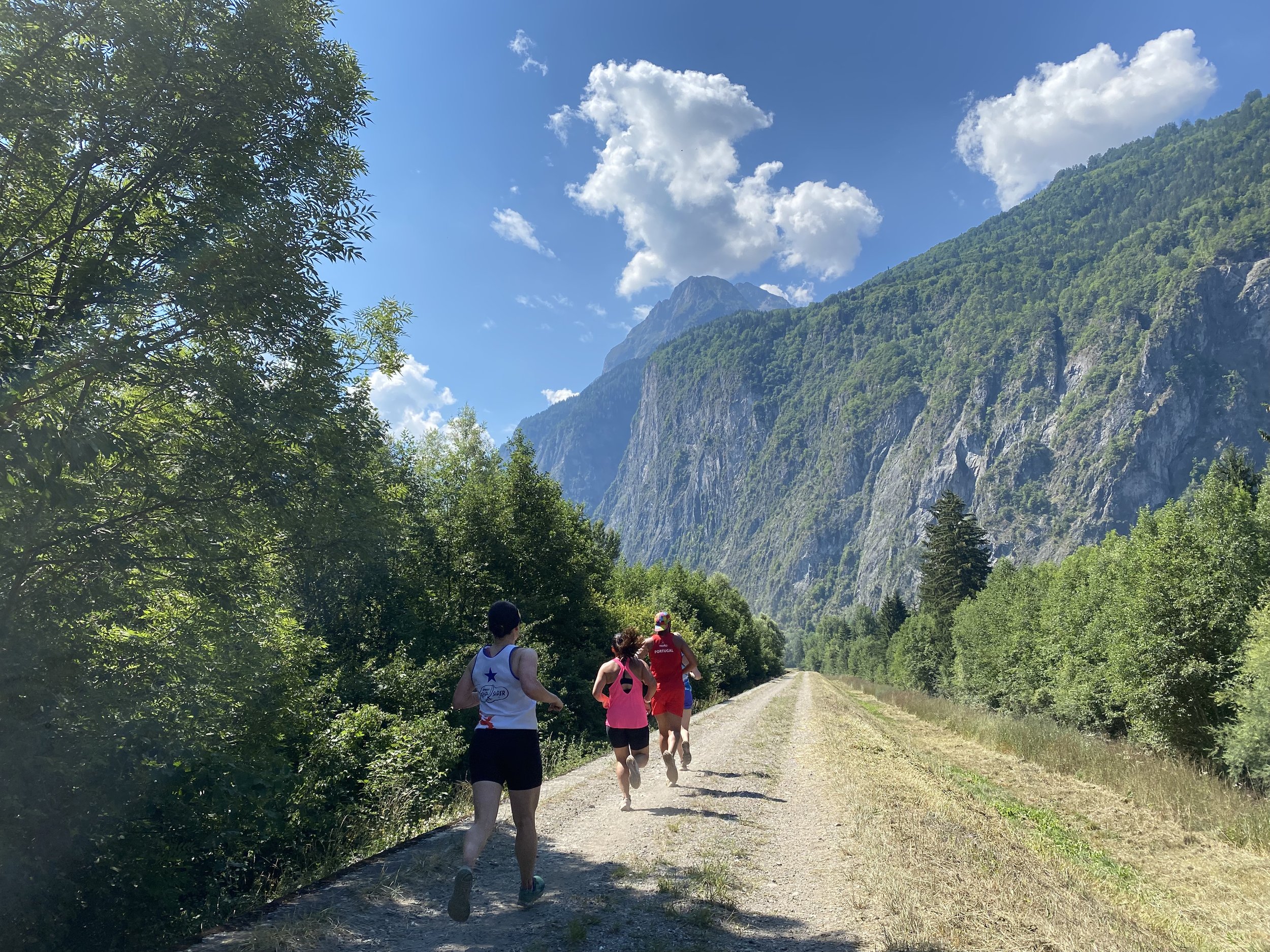
In this article Coach Alan writes a short guide on running hill reps and running technique.

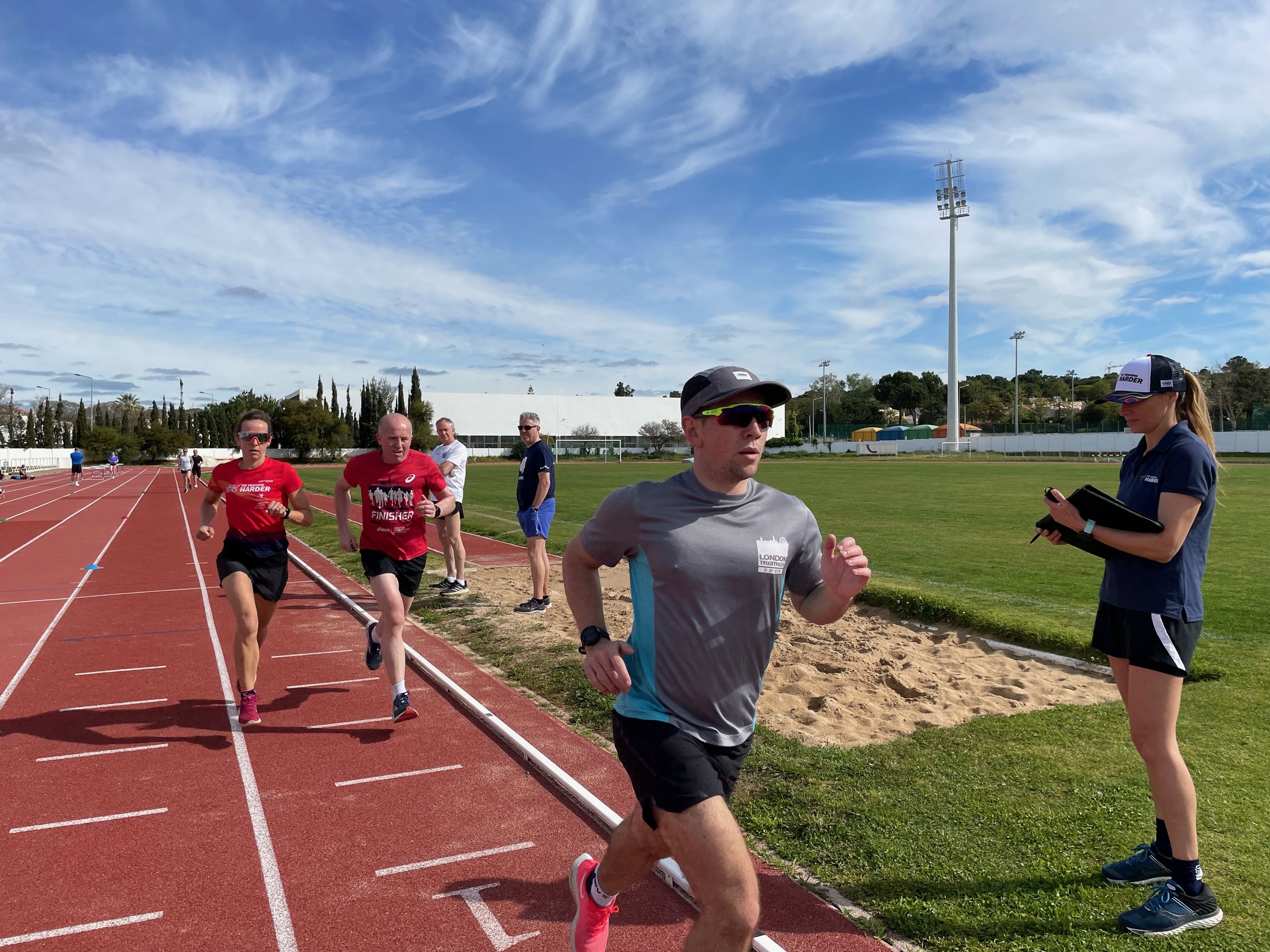
People impose several key boundaries on all sports; in running, these include the 4-minute mile to the 2-hour marathon. They are all the next boundary that draws people into their next challenge. Breaking 20 mins for 5km is a crucial milestone for many athletes, and in this article, Coach Philip looks at how to make that possible.
Carbon-plated running shoes offer several genuine benefits and have the potential to help many runners of varying standards achieve their goals, not just fast and elite runners. Are these super shoes for you? Coach Jon aims to find out.
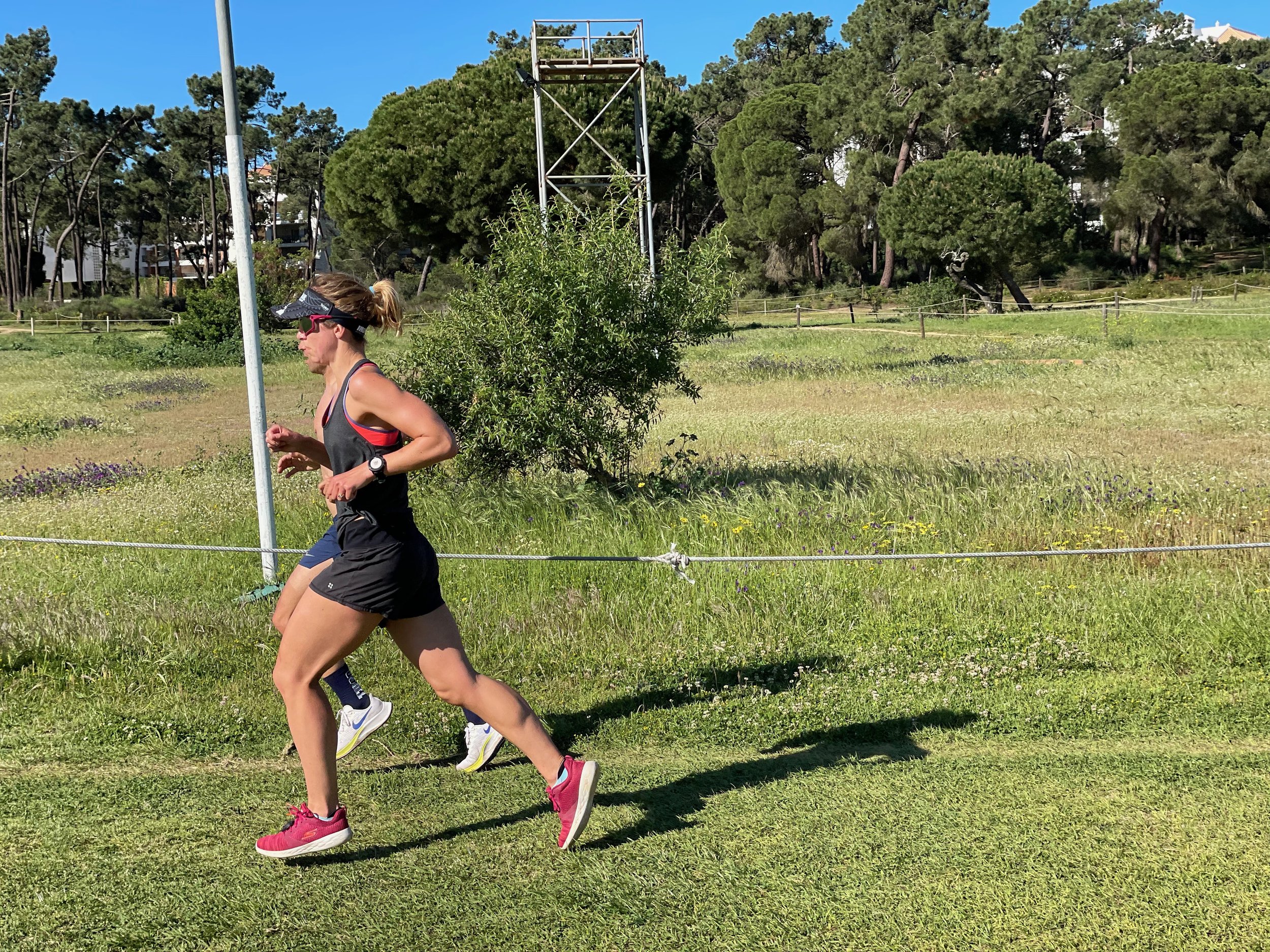
Over recent years there has been a boom in carbon-plated running shoes. Following Nike’s revolutionary Vaporfly 4%, most of the major running shoe brands have now developed their own carbon-plated models. These shoes are all about improving efficiency and, as a result, enhancing your performance. In this two-part blog, Coach Jon explores how these work and how they can make you faster.

In this latest article, Coach Philip looks at whether or not it is practical to put a marathon into an IRONMAN Training programme. This is a common conversation with athletes, so we outline some of the considerations below.
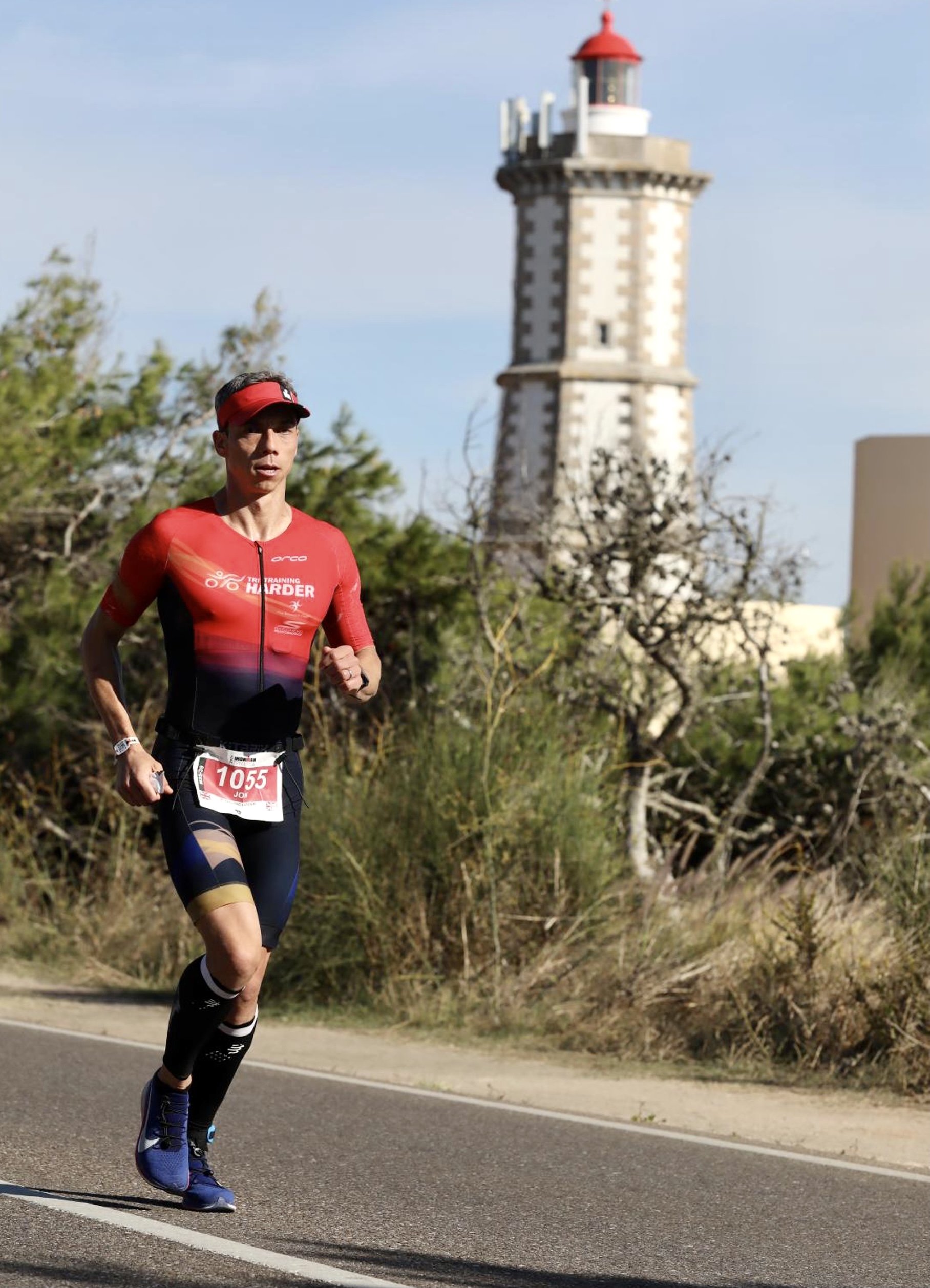
Having recently completed a ‘run every day’ challenge earlier this year, Coach Jon reflects on his experience of completing the challenge.
Earlier this year, I set myself the challenge of running every day for a month, with no rules, no targets, just lace up the trainers and get out of the door every day. Why? No real reason, apart from a self-fulfilling sense of achievement and a desire to investigate whether a little and often approach would bring about any tangible running improvements. Before I let you know how I got on, let’s take a look at some of the benefits and negative aspects of running every day.
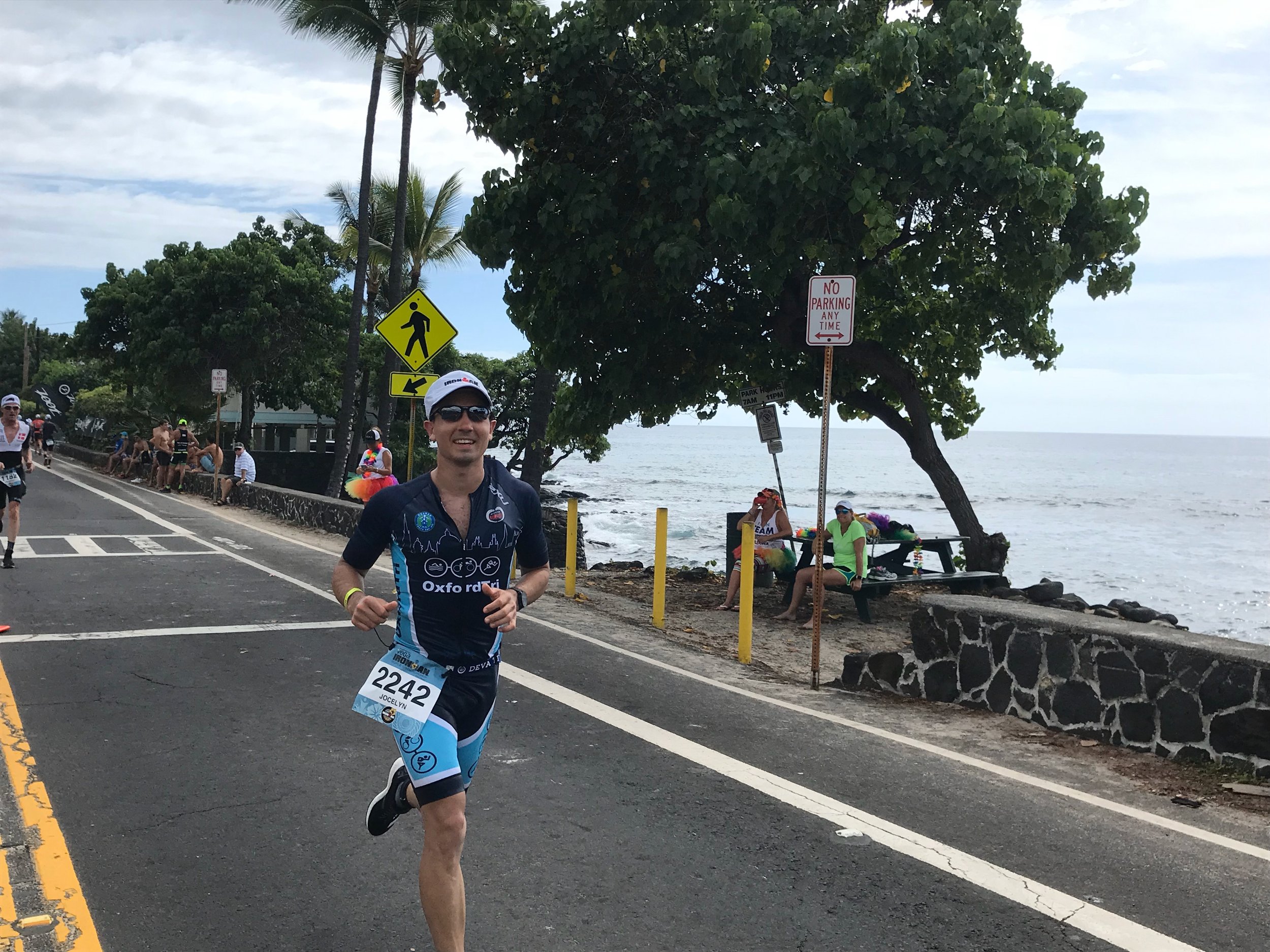
In this article, Coach Philip looks at the classic first-time IRONMAN athlete dilemma: To do a marathon in the Spring before a Summer IRONMAN, or not? Have a read on to find out more.
Running injuries can affect many triathletes at some point in their triathlon career. In this blog Coach Jon takes a look at some things you can do to reduce your chance of injury from running.
Here coach Kevin talks about running mechanics and how running could be considered more technical than swimming. However, we spend so much more time talking about swimming technique and “long runs”. Have we got this the wrong way round?

In this article Coach Alan writes about the four big ways you can run faster in your triathlon events. Often, athletes leap straight into doing more running, but the answer is slightly more nuanced than that. Learn about them here.

Some runners seem to glide over the ground, looking like they barely break a sweat as they effortlessly trot past the rest of us who look nothing like them! How do they do it?! What is their secret? How can you make a step towards more effortless running? Coach Tim discusses.

Thinking about going longer on a run, or becoming self-sufficient? Our resident ultra-marathon guru and coach Trevor talks us through how to make an effortless change.

Finding a coach: a triathlon coach, an endurance coach, an ultra marathon coach – whatever kind of coach can be quite stressful. It can be hard to know where to look and what is important and what isn’t. Especially in the early part of the new year, coaches are everywhere and social media becomes a shouting match as people compete to shout the loudest. Read on to help cut through the noise and find yourself a coach.
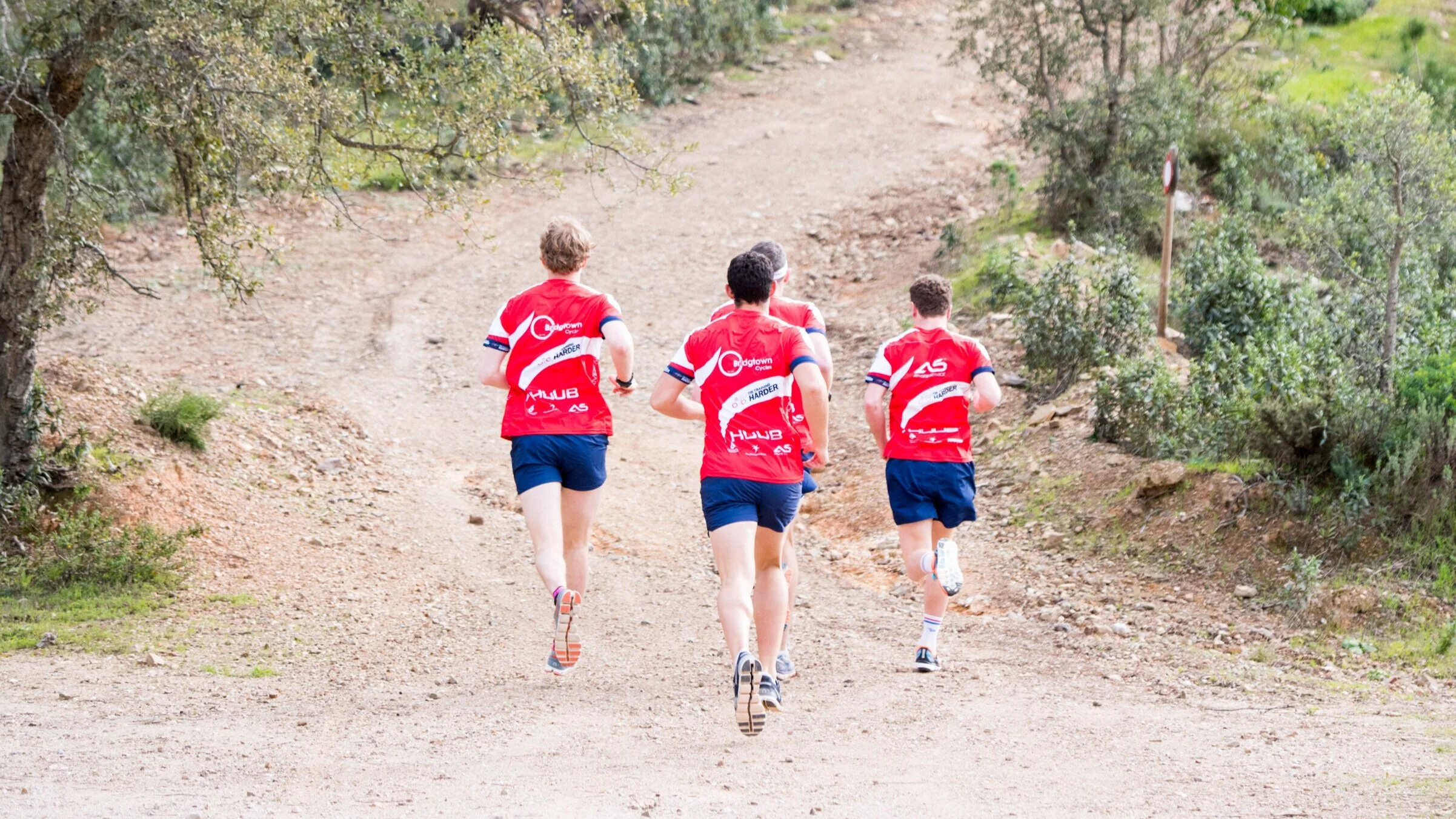
As a triathlete, why would you choose to run on trails when all your races are on the road*? In this article, Coach Soraya helps the first-timer tie up their trail shoes and hit great outdoors showing us how it can help your road training and triathlon.

In this blog Coach, Alan Ward will give you a brief run-through of everything you need to get running on Zwift and give you a step by step guide on how to join in with the fun.
Over the coming months, the coaches at Tri Training Harder will be organising some Zwift based 5k time trials for you. These are great opportunities to run, race and have fun with your fellow TTH athletes as well as having access to the expert guidance of our TTH coaches. But how do you use the option to run on Zwift?
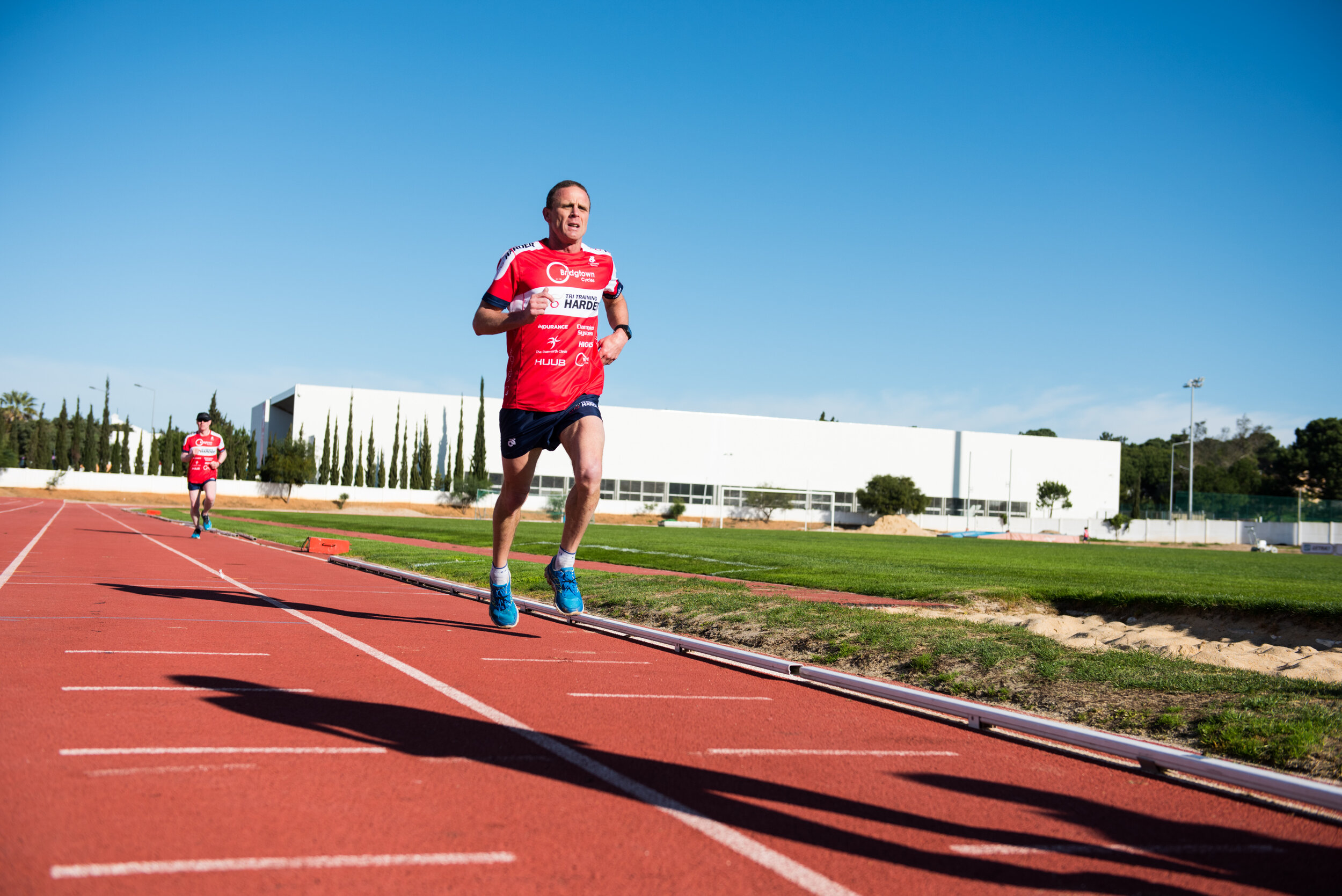
Run safety seems like a random topic, but at this time of social isolation and lock-down, it really isn’t that crazy when you think about it. Read on to hear how our resident ultra-marathon runner and coach Trevor considers run safety at this present time.

On the whole, there are not that many of us who are lucky enough to get through multiple seasons of running training without experiencing some kind of niggle or injury. For triathletes, running is the discipline which induces the most force and impact that we need to experience and control. Typically in the region of 2 to 2.5 times your body weight on each leg, every stride! It is because of this force that it’s worth spending a bit more of your time on conditioning work, and being slightly more conservative when considering training load. Read on to find out how to manage the differences between running injuries and running niggles and when it is wise to back off.
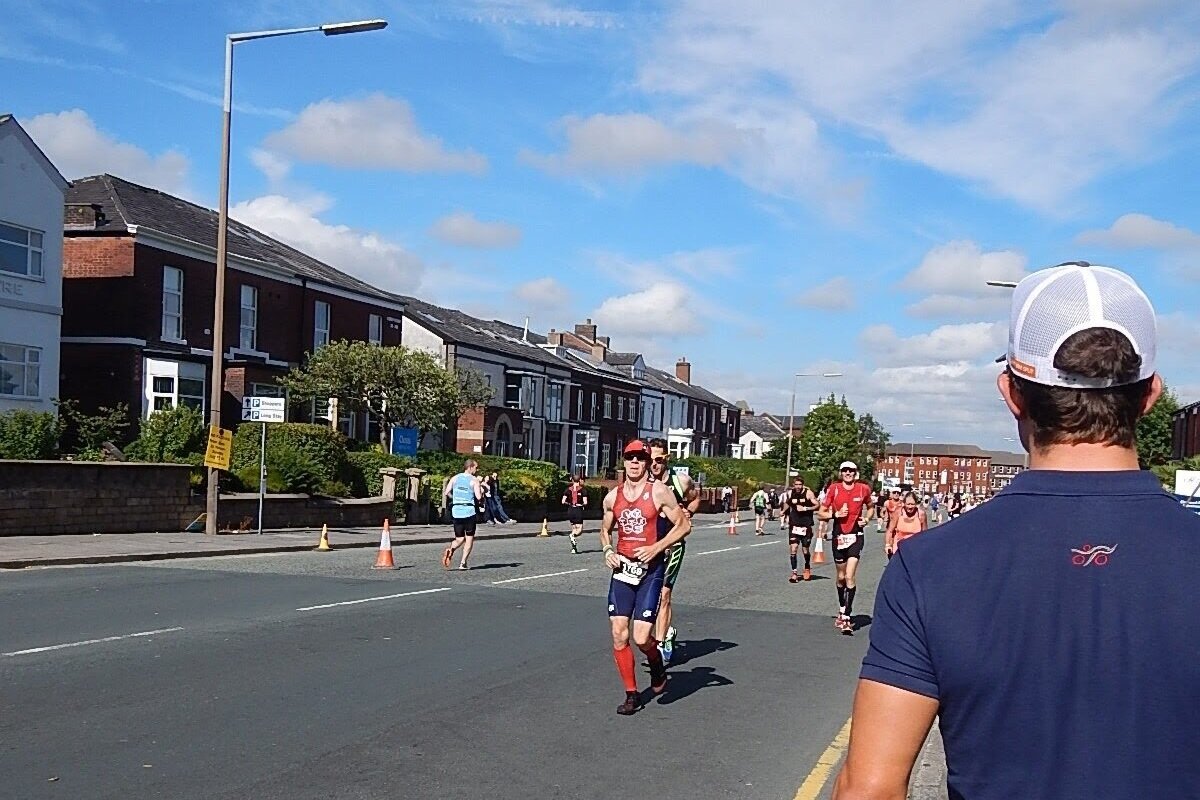
Read on to find out how to manage your run-walk strategy to ensure a successful completion without burning matches unnecessarily. Tim Ansell provides a solution to creating your best race approach to run-walking a marathon and getting to that finish line.

Perhaps you are considering mixing it up a little and swapping your traditional hot weather / pre-season training camp for something a little more adventurous….such as high Alpine passes, crystal clear lakes, and secluded forested trails. While the mountain scenery will undoubtedly be a big positive point to everyone, some of you might be a little apprehensive when imagining endless roads to climb and steep running trails (but at least you are guaranteed the swimming won’t be uphill!). This article will hopefully set your mind at rest however, by letting you know what to expect, and ensuring you have the right equipment and preparation completed before you set off overseas.
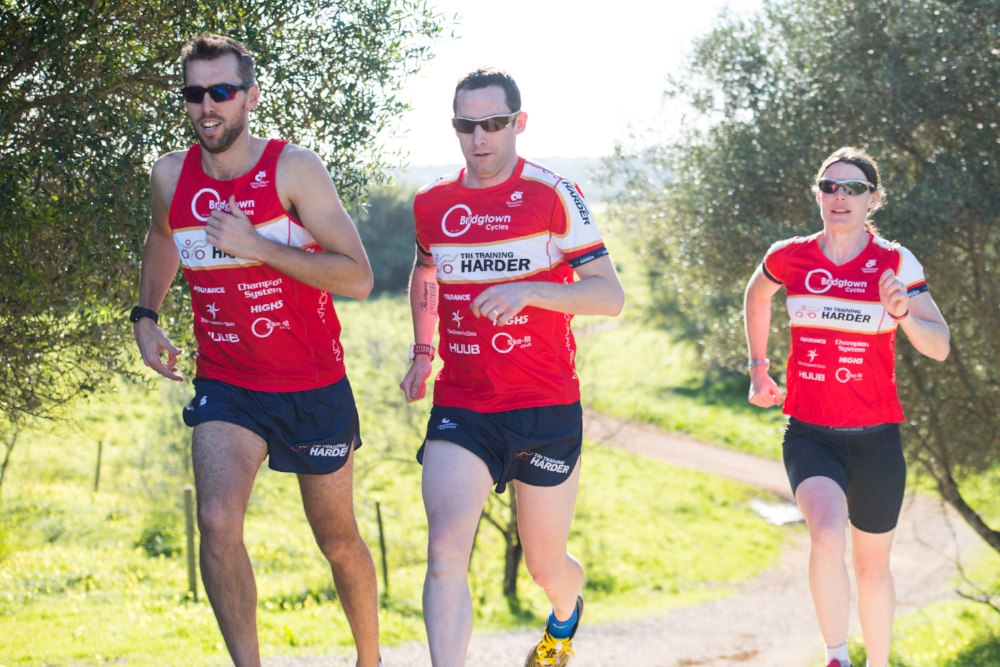
For many people, a spring marathon is an important stepping stone for an IRONMAN in the summer. However, is it really the most sensible idea? Can there be occasions when it should be in the training plan? Many people need a marathon as a way of psychologically preparing themselves for an IRONMAN, but is that the most sensible thing to do from a physiological perspective? Read on to find out more.

We often get asked: "how can you make a meaningful difference using run analysis while on a 1 week training camp?". This is a very fair point as it’s easy when doing video analysis to just 'say what you see' and end up patching up or correcting outcomes rather than identifying root-causes. When it comes to video analysis, there is an old saying which is that the analysis is only as good as the person interpreting the data. This blog explores whether run analysis could help you understand if you should be changing your running technique.

With the growing popularity of ultra marathons, more and more people are taking that jump from 42.2km to many, many more. How do people take those steps and become effective when racing longer and longer distances? Coach Philip Hatzis, who has had many successes with athletes over the 'long course' offers practical and useful advice for those who have signed up to a longer event.

Chris Ashford has had an outstanding season, read more about it here. However, now we want to get to grips with who Chris really is and what were some of the defining factors for this year. In this article both Chris and his coach Philip talk openly about the season and provide some useful insights to both sides of the coaching relationship

About a year ago we mentioned we were going to start using running power meters more and had them available to try in our Portuguese training holiday location. A year on we thought we'd pass on our views and experiences of them and see if you want to run with power.

Have you ever come back from the off season and had your trusty triathlon buddy come back better than you? You know the scenario, you were always neck and neck in training sessions, that one person you could gauge whether you were improving or not by being able to keep up with them....and then suddenly, come Spring time - it's like they have been secretly training all winter and have left you behind!

Elaine Garvican opens up about how she has spent two years improving her running economy and some of her honest frustrations about not running for the sake of long-term good. A very frank and insightful read with a definite conclusion that you need to believe in the process to seek the long term gains. "Don't stop believing" is not always an easy task and in the day of social media where everyone seems to be putting in killer run sessions, doing hops, and jumps doesn't really seem like you are ever going to succeed. Read on to find out more!

This blog looks at three simple strength and conditioning exercises and demonstrates how you can use them to become more efficient as a runner, reduce the chance of injury and therefore improve your consistency in running and fundamentally get faster. These are great as strengthening work, or as a bit of fun/challenge to add in to your running training routine.

Ollie Stoten, a long term coached athlete, race team athlete and friend of Tri Training Harder embarked on an adventure in 2016 to cross the Antarctic (1,100miles) with a team of reservists (SPEAR17).

As Ollie Stoten reflects on his first year as a doctor, he realises it probably hasn't been a normal right of passage. After a successful 2016, we look at how 2017 shaped up for Ollie. Crossing continents, Alpine ranges and smashing race results. Here, both Ollie and his Coach Philip Hatzis candidly reflect on a truly unique season. [Read about how his perspective changed through the race season here]
Triathletes often start coaching with us encountering the same common hurdle: they struggle to run efficiently off the bike. Many athletes approach coaching services with the singular aim of improving their running speed. However, as coaches, we recognise that the nuances of transitioning from cycling to running extend far beyond simply running faster. It’s essential to address the finer details that affect performance in the latter stages of a triathlon. Coach Philip explores how to improve your run off the bike.